
Your Sustainable Living Roadmap: From Beginner to Pro
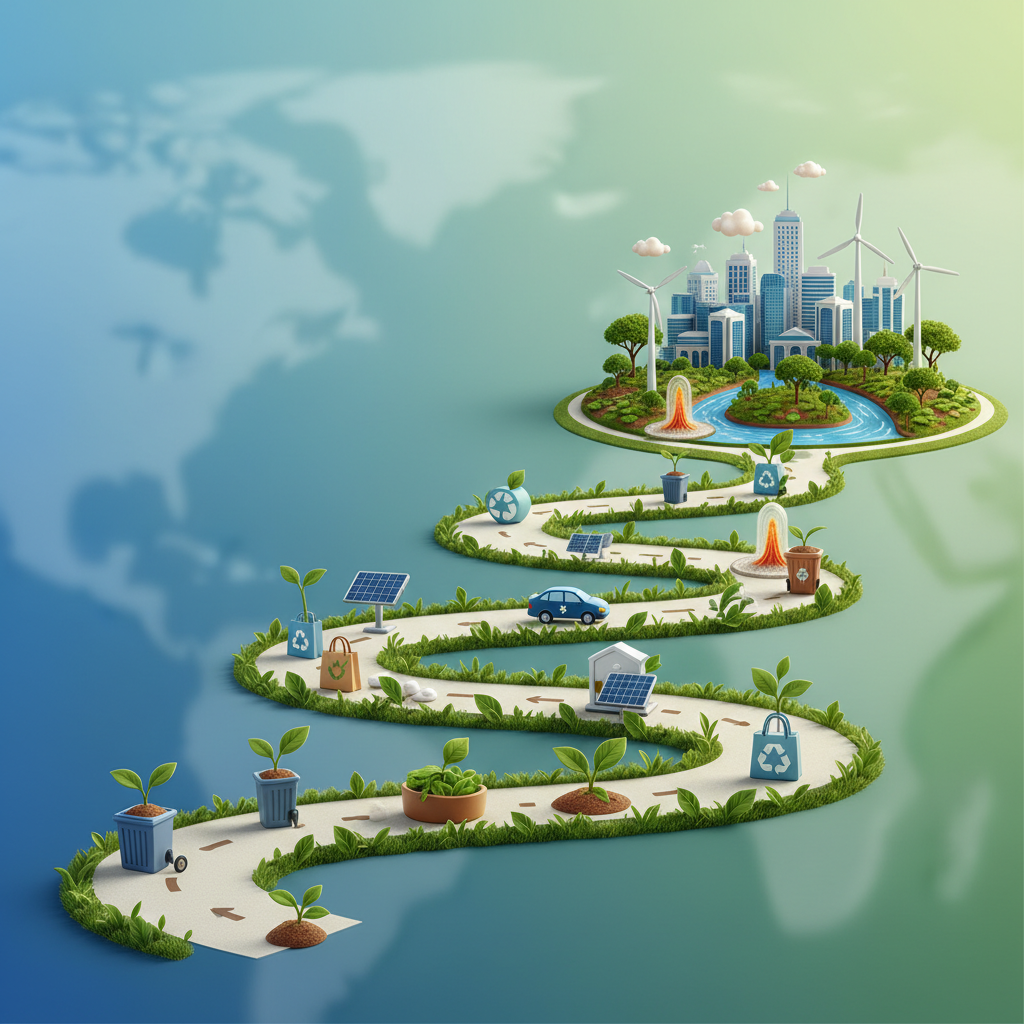
Your Sustainable Living Roadmap: From Beginner to Pro
Want to live a life that's good for you and the planet? Sustainable living, also known as eco-friendly or green living, is more than just a trend; it's a vital shift towards a healthier and more responsible way of life. It’s about making conscious choices to reduce your environmental impact and conserve our planet's precious resources. This guide provides a clear roadmap to help you transition to sustainable living, no matter where you're starting.
Where You're Starting: Understanding the Basics
Before you dive in, it’s essential to understand what sustainable living truly means. It's about minimizing your footprint, which means reducing the amount of natural resources you consume and the waste you generate. It's about making choices that promote a healthier planet and a healthier you.
"Sustainable living is about making informed decisions about our consumption and lifestyle choices, so we can live in a way that minimizes our negative impact on the environment and maximizes our positive contribution to society." - Environmental Protection Agency
To really drive home the importance of this, let's look at some eye-opening statistics:
- Global Waste Generation: The world generates over 2 billion tons of municipal solid waste annually World Bank.
- Plastic Production: Global plastic production has reached over 390 million metric tons per year UN Environment Programme.
- Food Waste: Roughly one-third of the food produced for human consumption is lost or wasted globally, which amounts to about 1.3 billion tons per year Food and Agriculture Organization of the United Nations.
These numbers highlight the urgency of adopting sustainable practices. The good news? Every small change you make contributes to a larger impact. This roadmap will help you make those changes.
Phase 1: Foundation – Building a Sustainable Mindset
This phase is about establishing the groundwork for your sustainable living journey. It's about shifting your mindset and making conscious decisions that align with your environmental goals. This includes:
- Understanding Your Impact: Start by assessing your current lifestyle. Track your energy consumption, waste generation, and consumption habits. This will help you identify areas for improvement.
- Educating Yourself: Learn about different aspects of sustainable living. Read books, watch documentaries, and follow blogs and social media accounts dedicated to eco-friendly practices. Knowledge is power.
- Setting Realistic Goals: Don't try to change everything overnight. Start with small, achievable goals that you can gradually build upon. This will prevent overwhelm and increase your chances of success.
- Embracing Minimalism: Consider adopting a minimalist approach to your belongings. Reduce clutter and only purchase items you truly need. This reduces consumption and waste.
Practical Steps:
- Conduct a Home Energy Audit: Identify areas where you can reduce energy consumption, such as switching to LED light bulbs and unplugging electronics when not in use.
- Start a Waste Audit: Track your household waste for a week to understand what you're throwing away and identify opportunities for reduction and recycling.
- Research Local Recycling Programs: Learn about your community's recycling guidelines and ensure you're properly sorting your recyclables.
Phase 2: Building – Implementing Sustainable Practices
Once you have a solid foundation, it's time to implement sustainable practices in your daily life. This phase involves making changes in various areas of your life, including:
- Reducing Waste: This is a cornerstone of sustainable living. Focus on reducing, reusing, and recycling. Avoid single-use plastics, bring your own reusable bags, and opt for products with minimal packaging.
- Conserving Energy: Reduce your energy consumption by using energy-efficient appliances, switching to renewable energy sources, and practicing energy-saving habits like turning off lights and adjusting your thermostat.
- Conserving Water: Conserve water by taking shorter showers, fixing leaks, and using water-efficient appliances. Consider collecting rainwater for gardening.
- Eating Sustainably: Make conscious food choices. Reduce your meat consumption, support local and organic farms, and reduce food waste by planning meals and properly storing food.
Specific Actions:
- Recycling and Composting: Set up a comprehensive recycling system and start composting food scraps and yard waste.
- Reusable Alternatives: Replace single-use items with reusable alternatives, such as water bottles, coffee cups, and shopping bags.
- Energy-Efficient Appliances: Upgrade to energy-efficient appliances and electronics. Look for the Energy Star label.
- Transportation: Consider walking, biking, or using public transportation whenever possible. Carpool or use a fuel-efficient vehicle.
"We don't have to engage in grand, heroic acts to participate in the process of change. Small acts, when multiplied by millions of people, can transform the world." - Howard Zinn
Phase 3: Optimizing – Deepening Your Commitment
This phase is about refining your sustainable practices and expanding your efforts. It involves going beyond the basics and exploring more advanced strategies, such as:
- Reducing Your Carbon Footprint: Calculate your carbon footprint and identify ways to reduce it. This may involve offsetting your emissions through carbon credits or making lifestyle changes.
- Supporting Sustainable Businesses: Choose to support businesses that prioritize sustainability. Look for companies with eco-friendly practices, ethical sourcing, and a commitment to reducing their environmental impact.
- Advocating for Change: Advocate for sustainable policies and practices in your community and beyond. Support organizations working to protect the environment and promote sustainable living.
- Growing Your Own Food: Start a garden to grow your own fruits, vegetables, and herbs. This reduces your reliance on industrial agriculture and provides fresh, healthy food.
Advanced Strategies:
- Carbon Offsetting: Offset your carbon emissions by investing in carbon offset programs.
- Ethical Investing: Invest in companies that prioritize environmental sustainability and social responsibility.
- Community Involvement: Volunteer with environmental organizations and participate in local initiatives.
- Advocacy: Contact your representatives and advocate for policies that promote sustainability.
Measuring Success: Tracking Your Progress
To ensure you're on track and making a real impact, it's essential to measure your progress. This involves:
- Tracking Your Metrics: Keep track of your energy consumption, waste generation, water usage, and carbon footprint. Use apps or spreadsheets to monitor your progress over time.
- Reviewing and Adjusting: Regularly review your progress and identify areas where you can improve. Adjust your strategies and goals as needed.
- Celebrating Successes: Acknowledge and celebrate your achievements along the way. This will motivate you to continue your sustainable living journey.
Tools for Tracking:
- Energy Consumption Apps: Use apps to monitor your energy usage and identify ways to save energy.
- Waste Tracking Apps: Track your waste generation and identify opportunities for reduction and recycling.
- Carbon Footprint Calculators: Use online calculators to estimate your carbon footprint and track your progress in reducing it.
"The greatest threat to our planet is the belief that someone else will save it." - Robert Swan
Your Sustainable Future
Embarking on a sustainable living journey is a rewarding experience. It's about making conscious choices that benefit both you and the planet. By following this roadmap, you can transition to a more sustainable lifestyle, reduce your environmental impact, and contribute to a healthier future.
Actionable Takeaways:
- Start Small: Begin with manageable changes, such as switching to reusable shopping bags or reducing your meat consumption.
- Educate Yourself: Continuously learn about sustainable practices and environmental issues.
- Be Patient: Sustainable living is a journey, not a destination. Don't get discouraged by setbacks. Keep learning and adapting.
- Find Community: Connect with others who share your values and support each other.
- Be a Role Model: Inspire others to adopt sustainable practices by sharing your experiences and knowledge.
By taking these steps, you can create a positive impact and live a more fulfilling and sustainable life. The future of our planet depends on the choices we make today. Embrace the journey and enjoy the process!