
Sustainable Living: A 6-Step Guide to Eco-Friendly Habits at Home
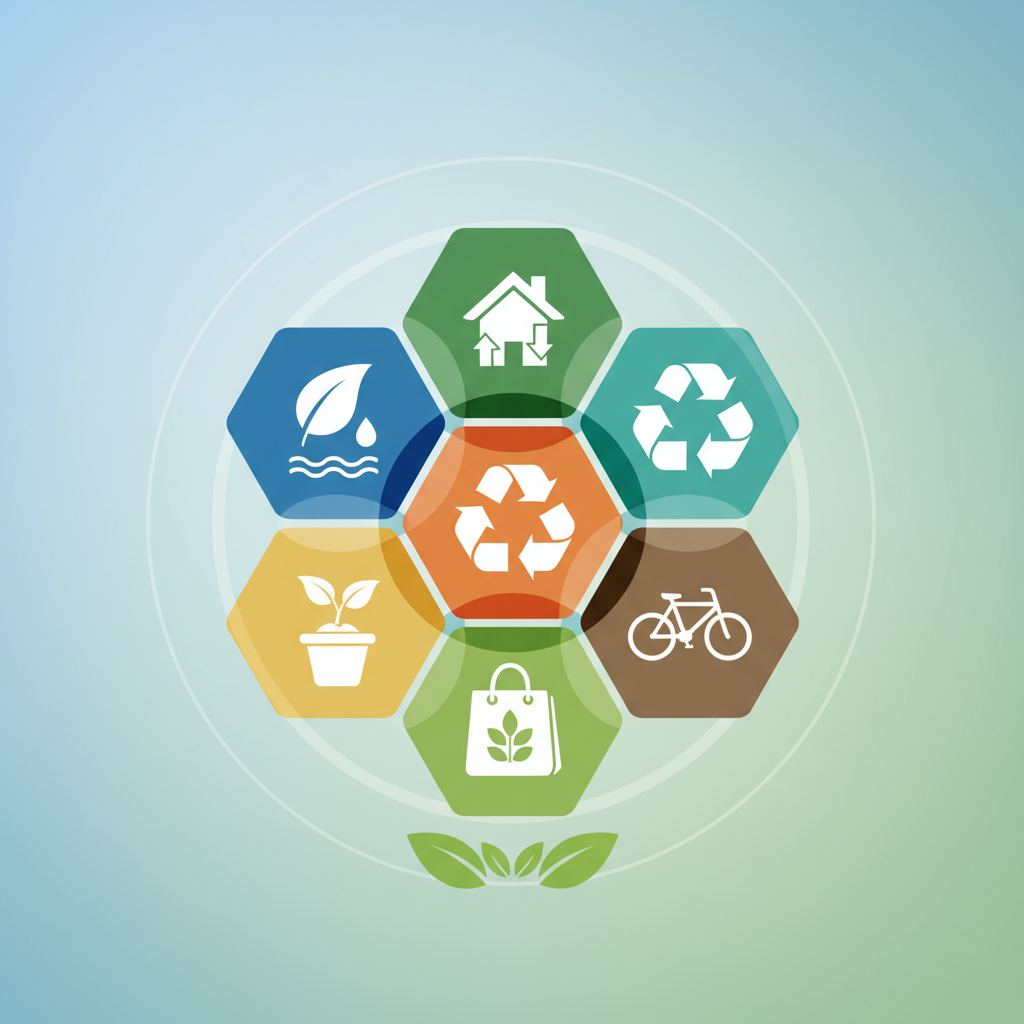
Are you feeling the pull to live a more environmentally conscious life? Sustainable living, also known as eco-friendly living or green living, is more than just a trend; it's a commitment to minimizing your environmental impact and preserving our planet for future generations. This guide offers a practical, step-by-step approach to incorporating sustainable practices into your daily life.
What You'll Learn
This tutorial will equip you with the knowledge and actionable steps to:
- Understand the core principles of sustainable living.
- Implement eco-friendly habits in your home and daily routines.
- Reduce your carbon footprint and minimize waste.
- Make informed choices about your consumption habits.
- Create a healthier and more sustainable lifestyle.
Prerequisites
No prior experience with sustainability is required! This guide is designed for anyone eager to embrace a greener lifestyle. All you need is a willingness to learn and a commitment to making small changes that can have a big impact.
Step 1: Assess Your Current Lifestyle
The first step towards sustainable living is understanding where you currently stand. Take a moment to evaluate your daily habits and their environmental impact. This self-assessment will help you identify areas where you can make improvements. Consider these questions:
- Energy Consumption: How much electricity do you use? What types of appliances do you have? Are you using energy-efficient light bulbs?
- Water Usage: How much water do you consume daily? Do you have any leaks? What is your showering frequency?
- Waste Generation: How much trash do you produce? Do you recycle? Do you compost?
- Transportation: How do you commute to work or school? How often do you use public transportation, cycle, or walk?
- Consumption Habits: What types of products do you buy? Do you consider the packaging and origin of the items?
Take notes on your responses. This will serve as your baseline for measuring your progress.
Step 2: Reduce Your Energy Consumption
Reducing energy consumption is a crucial aspect of sustainable living. Here's how to make your home more energy-efficient:
- Switch to LED light bulbs: LED bulbs use up to 75% less energy and last much longer than incandescent bulbs.
- Unplug electronics: Many devices consume energy even when turned off (vampire power). Unplug chargers, TVs, and other electronics when not in use.
- Use energy-efficient appliances: When purchasing new appliances, choose Energy Star-certified models.
- Adjust your thermostat: Lowering your thermostat in winter and raising it in summer can significantly reduce energy consumption.
- Seal air leaks: Seal any drafts around windows and doors to prevent heat loss in winter and heat gain in summer.
By implementing these changes, you can lower your energy bill and reduce your carbon footprint.
Step 3: Conserve Water
Water conservation is essential for protecting this precious resource. Here's how to conserve water at home:
- Fix leaks promptly: A leaky faucet can waste gallons of water over time. Repair any leaks as soon as possible.
- Install water-efficient fixtures: Consider installing low-flow showerheads, faucets, and toilets.
- Take shorter showers: Reduce your shower time to conserve water.
- Water your lawn efficiently: Water your lawn in the early morning or late evening to minimize evaporation. Consider using a rain barrel to collect rainwater for watering plants.
- Use water-saving appliances: When purchasing appliances, choose water-efficient models.
By adopting these practices, you can make a significant contribution to water conservation efforts.
Step 4: Minimize Waste and Recycle
Reducing waste is a key component of sustainable living. Here's how to minimize your waste and recycle effectively:
- Reduce, reuse, recycle: Embrace the reduce, reuse, recycle mantra. Reduce your consumption, reuse items whenever possible, and recycle materials.
- Compost food scraps: Composting food scraps can reduce the amount of waste sent to landfills and create nutrient-rich soil for your garden.
- Bring your own bags: Use reusable shopping bags when grocery shopping.
- Choose products with minimal packaging: Opt for products with less packaging to reduce waste.
- Recycle properly: Familiarize yourself with your local recycling guidelines and recycle materials correctly.
By implementing these strategies, you can significantly reduce your environmental impact.
Step 5: Make Conscious Consumption Choices
Your consumption habits have a significant impact on the environment. Here's how to make conscious consumption choices:
- Buy less: Reduce your consumption of non-essential items.
- Choose sustainable products: Look for products made from sustainable materials, such as bamboo, organic cotton, and recycled materials.
- Support ethical brands: Support brands that prioritize fair labor practices, environmental sustainability, and social responsibility.
- Buy local: Buying local products reduces transportation emissions and supports local businesses.
- Consider product lifespan and durability: Choose products that are built to last to avoid frequent replacements.
By making informed consumption choices, you can support a more sustainable economy.
Step 6: Embrace Sustainable Transportation
Transportation is a major contributor to greenhouse gas emissions. Here's how to embrace sustainable transportation:
- Walk, bike, or use public transportation: Whenever possible, walk, bike, or take public transportation instead of driving.
- Carpool: Carpool with colleagues, friends, or family members.
- Drive an electric or hybrid vehicle: If you need to drive, consider purchasing an electric or hybrid vehicle.
- Combine errands: Plan your errands to minimize driving trips.
- Maintain your vehicle: Regularly maintain your vehicle to improve fuel efficiency.
By adopting these practices, you can reduce your carbon footprint and contribute to a cleaner environment.
Tip: Start small and gradually incorporate more sustainable practices into your life. Every small change makes a difference!
Troubleshooting
- Feeling overwhelmed? Start with one or two changes and gradually add more as you become comfortable.
- Lack of resources? Explore free resources, such as online guides and community workshops.
- Resistance from family members? Communicate the benefits of sustainable living and involve them in the process.
- Difficulty finding sustainable products? Research online retailers and local businesses that offer sustainable alternatives.
- Budget constraints? Prioritize cost-effective changes, such as switching to LED light bulbs or reducing your water usage.
Next Steps
- Educate yourself: Continue learning about sustainable living practices and environmental issues.
- Join a community: Connect with like-minded individuals and participate in local environmental initiatives.
- Advocate for change: Support policies and initiatives that promote sustainability.
- Share your knowledge: Encourage others to adopt sustainable practices.
- Stay informed: Follow environmental news and stay updated on the latest sustainable innovations.
By taking these steps, you can create a more sustainable lifestyle and contribute to a healthier planet.
Sustainable living is not just a trend; it is a vital approach to creating a better future for ourselves and generations to come. By adopting eco-friendly habits, we can collectively reduce our carbon footprint, conserve resources, and protect the environment. Embrace the journey towards sustainability and become a champion for a greener world!