
What Is Sustainable Living? A Practical Guide to Eco-Friendly Habits
What Is Sustainable Living? A Practical Guide to Eco-Friendly Habits
Feeling overwhelmed by the state of the planet? Sustainable living offers a way to take control and make a real difference. But what does it actually mean to live sustainably? This guide breaks down the concept, explores its importance, and gives you practical steps you can take today.
What Does Sustainable Living Mean?
Sustainable living means making choices that reduce your impact on the Earth's resources. It's about meeting your needs now without messing up the ability of future generations to meet theirs. This includes everything from what you buy to how you use energy and manage waste.
Why It Matters
Let's be honest—the choices we make every day have a huge impact on the environment and our health. Living sustainably offers some serious perks:
- Protects the Environment: Reduces pollution, conserves resources, and fights climate change.
- Boosts Health: Leads to healthier diets, reduces exposure to toxins, and encourages outdoor activities.
- Saves Money: Lowers energy bills, reduces waste disposal costs, and supports local economies.
- Builds Community: Fosters a sense of community and encourages ethical consumption.
"Sustainable living is about making conscious choices that align with our values and protect the planet for future generations."
Real-World Examples
Sound familiar? Sustainable living isn't about being perfect; it's about making progress. Here's how people are integrating sustainable practices into their lives:
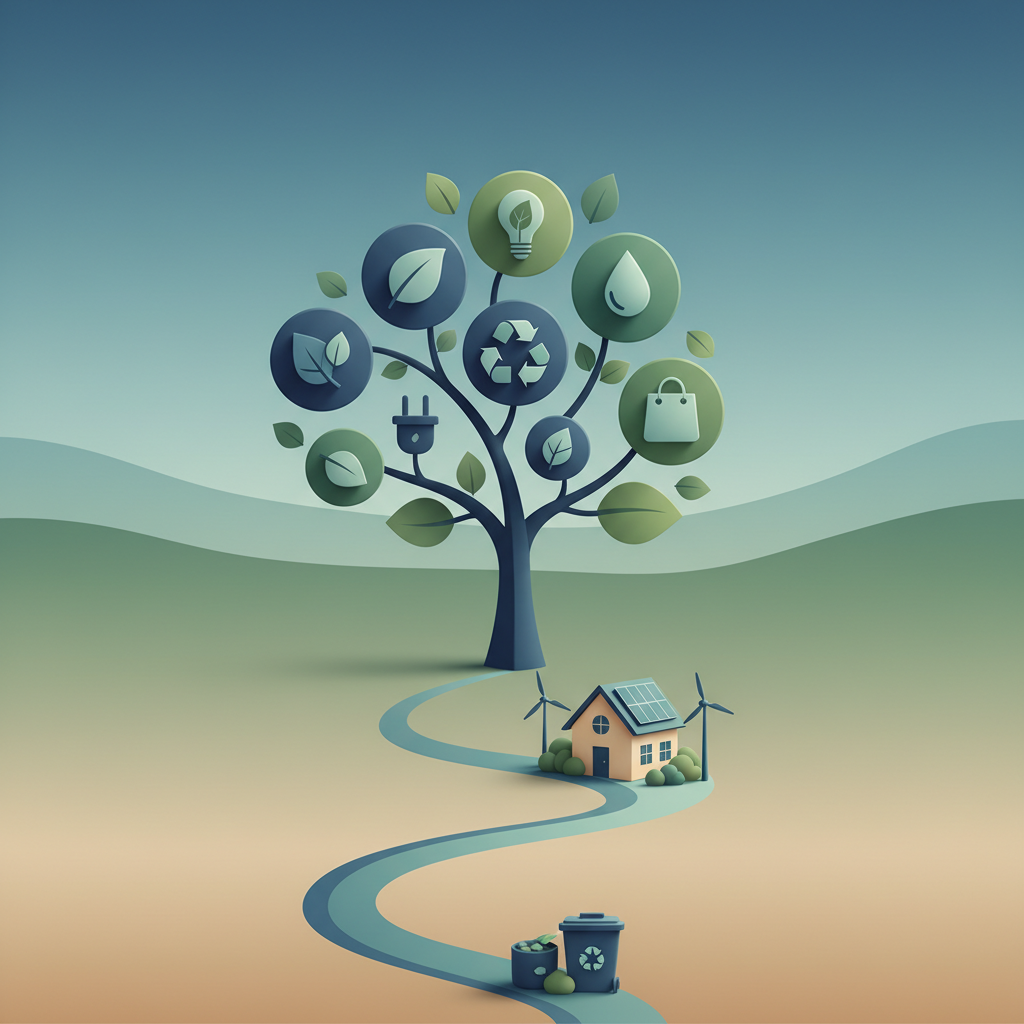
- Reduce Waste: Use reusable shopping bags, water bottles, and coffee cups. Compost food scraps and yard waste.
- Conserve Energy: Switch to energy-efficient appliances, use LED light bulbs, and improve home insulation.
- Eat Sustainably: Choose locally sourced, organic foods. Eat less meat and try plant-based meals.
- Conserve Water: Install low-flow showerheads and toilets. Collect rainwater for gardening.
- Transportation: Walk, bike, or use public transportation instead of driving.
How to Get Started
To start living sustainably, you need to make informed choices and build new habits. Here's how:
- Assess Your Lifestyle: Figure out where you can reduce your environmental footprint. Track your energy use, waste, and food choices.
- Set SMART Goals: Define specific, measurable, achievable, relevant, and time-bound goals. For example, aim to reduce your waste by 20% in six months.
- Make Gradual Changes: Start small and slowly add new habits. Don't try to change everything at once. Focus on one or two areas at a time.
- Educate Yourself: Learn about sustainable products, practices, and resources. Stay informed about environmental issues and solutions.
- Seek Support: Join online communities, connect with local organizations, and share your journey with friends and family. This can provide motivation and encouragement.
Sustainable Living in Different Areas
Sustainable living principles can be applied in various contexts:
- At Home: Reduce energy consumption, conserve water, and create a more eco-friendly home environment.
- In the Workplace: Implement green office practices, promote sustainable procurement, and encourage employees to adopt sustainable habits.
- In Communities: Support local farmers' markets, participate in community cleanups, and advocate for sustainable policies.
- In Travel: Choose eco-friendly transportation options, stay in sustainable accommodations, and minimize waste while traveling.
Mistakes to Avoid
- Perfectionism: Don't let the pursuit of perfection stop you from making progress. Every small change counts.
- Falling for Greenwashing: Be wary of products marketed as "eco-friendly" without providing credible information about their sustainability. Always do your research.
- Ignoring the Big Picture: While individual actions are important, advocate for systemic change. Support policies that promote sustainability.
- Overspending: Sustainable living doesn't have to be expensive. Look for affordable alternatives and DIY solutions.
- Giving Up Too Easily: There will be challenges along the way. Stay focused on your goals, learn from your mistakes, and keep moving forward.
Key Statistics
Understanding the scale of environmental challenges is crucial for motivating sustainable living practices. Here are a few key statistics:
- Global Waste Production: The world generates over 2 billion tons of municipal solid waste annually World Bank.
- Food Waste: Approximately one-third of all food produced for human consumption is lost or wasted globally, contributing significantly to greenhouse gas emissions Food and Agriculture Organization of the United Nations.
- Water Scarcity: Globally, about 2.2 billion people lack access to safely managed drinking water services WHO.
Reddit Insights
Many people are actively seeking advice and sharing their experiences on platforms like Reddit. Here are some quotes from Reddit users about sustainable living:
“I started composting a few months ago, and it's been amazing! Not only am I reducing my waste, but my garden is thriving.” - Reddit User
“Switching to reusable grocery bags was a small change that made a big difference. I feel so much better knowing I'm not contributing to plastic waste.” - Reddit User
These quotes highlight the positive impact of small changes and the sense of fulfillment that comes with adopting sustainable practices.
Sustainable Living: A Comparison Table
Here's a comparison of common unsustainable and sustainable practices:
| Unsustainable Practice | Sustainable Alternative | Benefits |
|---|---|---|
| Using disposable plastic water bottles | Using reusable water bottles | Reduces plastic waste, saves money, stays hydrated |
| Driving a gas-guzzling car | Walking, biking, or public transit | Reduces emissions, saves money, improves health |
| Buying fast fashion | Buying secondhand or sustainable clothing | Reduces waste, supports ethical brands, saves money |
News Insights
News articles also reflect the growing interest and importance of sustainable living. Here's a relevant quote:
"As awareness of climate change grows, more people are seeking ways to reduce their environmental footprint through everyday choices." - News Source
This quote underscores the broader societal shift towards sustainability and the increasing demand for information and resources on the topic.
FAQs
Q: What are the 7 Rs of sustainable living?
A: The 7 Rs of sustainable living are: Refuse, Reduce, Reuse, Repurpose, Recycle, Rot (compost), and Rethink.
Q: How do you live a sustainable life?
A: Living a sustainable life involves making conscious choices in your daily routines, such as reducing waste, conserving energy, choosing eco-friendly products, and supporting sustainable businesses.
Q: What is an example of sustainable living?
A: An example of sustainable living is choosing to bike to work instead of driving, using reusable shopping bags, and composting food waste.
Q: What does eco-friendly living mean?
A: Eco-friendly living means adopting practices that minimize your impact on the environment, such as reducing waste, conserving resources, and choosing sustainable products.
Q: How to start an eco-friendly lifestyle?
A: Start by assessing your current habits, setting goals, making small changes gradually, educating yourself, and seeking support from others.
Actionable Takeaways
- Start Small: Begin with one or two changes, such as using reusable shopping bags or reducing your meat consumption.
- Educate Yourself: Research sustainable products, practices, and resources.
- Reduce Waste: Minimize your consumption of single-use plastics and embrace the 7 Rs.
- Conserve Energy and Water: Make energy-efficient choices at home and conserve water.
- Support Sustainable Businesses: Choose products and services from companies committed to sustainability.
Ultimately, adopting sustainable living practices can make a positive impact on the planet, improve your well-being, and inspire others to join the movement. It's not about achieving perfection, but about taking conscious steps towards a more sustainable future.