
What Is Sustainable Gardening? Cultivating a Greener Future
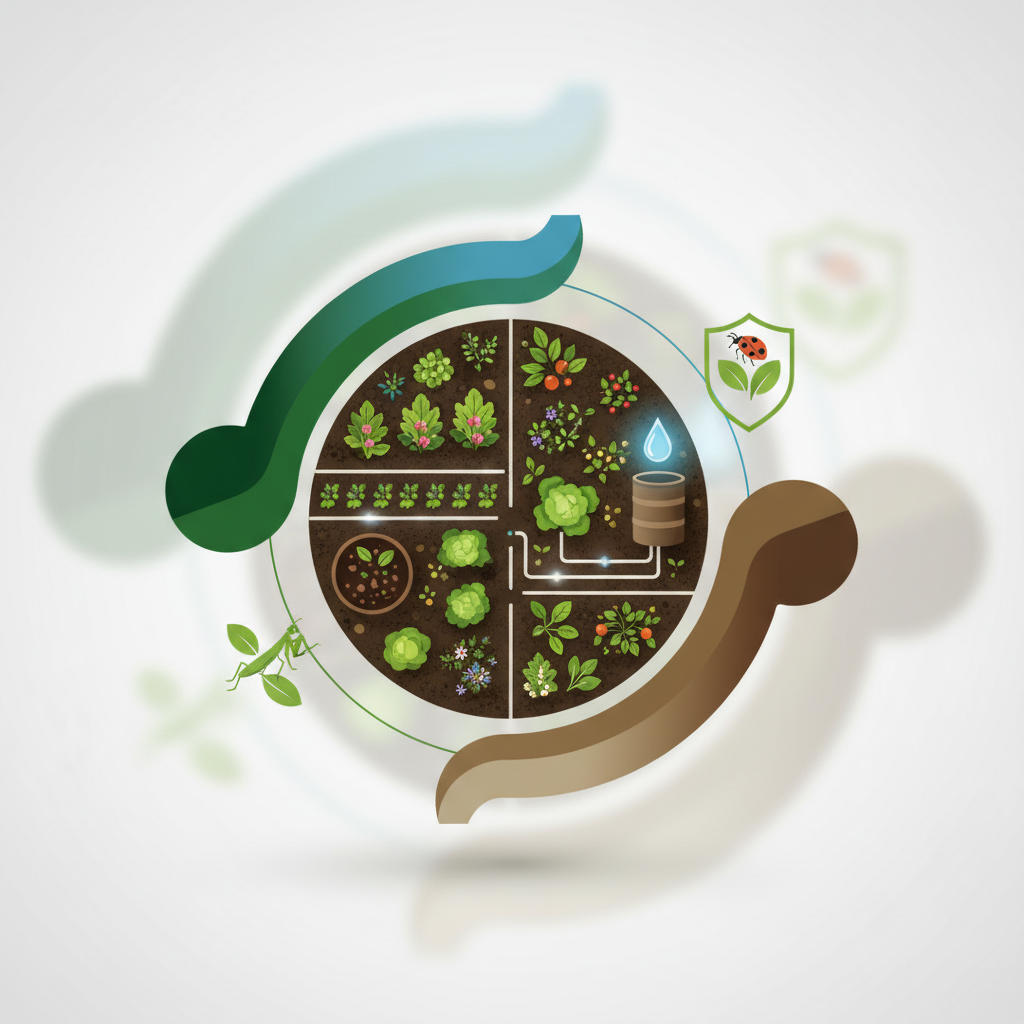
What Is Sustainable Gardening? Cultivating a Greener Future
Dreaming of a vibrant, thriving garden but worried about your environmental impact? Sustainable gardening offers a powerful solution. It lets you connect with nature while minimizing your footprint on the planet. But what is sustainable gardening, exactly?
This guide provides a clear explanation. We'll explore the principles, practices, and benefits of cultivating a garden that thrives in harmony with nature. I'll delve into the core concepts, examine real-world examples, and equip you with the knowledge to create your own thriving, eco-friendly oasis.
What is Sustainable Gardening?
Sustainable gardening is a holistic approach to growing plants. It prioritizes environmental responsibility and resource conservation. It's about creating a garden ecosystem that's healthy, productive, and self-sustaining. This means minimizing the need for external inputs like synthetic fertilizers and pesticides. Instead, it focuses on working with nature, not against it. Sound familiar?
Why It Matters
Let's be honest—traditional gardening practices often rely on methods that can harm the environment. Sustainable gardening offers a powerful alternative, contributing to:
- Environmental Protection: Reduces pollution, conserves water, and protects biodiversity.
- Healthy Ecosystems: Creates thriving habitats for beneficial insects, pollinators, and wildlife.
- Improved Soil Health: Enhances soil fertility and structure, reducing the need for artificial fertilizers.
- Reduced Waste: Promotes composting and recycling, minimizing landfill waste.
- Personal Well-being: Connects you with nature, promoting mental and physical health.
"Sustainable gardening is not just about the environment; it’s about creating a healthy and resilient ecosystem that benefits both the gardener and the planet." - Dr. Linda Chalker-Scott, Extension Horticulturist and Associate Professor, Washington State University
Real-World Examples
Here are some tangible examples of sustainable gardening in action:
- Community Gardens: Many urban areas have community gardens that use sustainable practices, providing fresh produce while fostering a sense of community.
- School Gardens: Schools are increasingly incorporating sustainable gardening into their curriculum, teaching children about food production, environmental stewardship, and healthy eating habits.
- Residential Gardens: Homeowners are transforming their yards into eco-friendly havens. They're using techniques like rainwater harvesting, composting, and native plant landscaping.
How It Works
Sustainable gardening encompasses a range of practices. Here are some of the key principles:
- Soil Health: Healthy soil is the foundation of a sustainable garden. This involves:
- Composting: Recycling organic matter (food scraps, yard waste) to create nutrient-rich compost.
- Cover Cropping: Planting cover crops (e.g., clover, rye) to improve soil structure, prevent erosion, and add nutrients.
- No-Till Gardening: Minimizing soil disturbance to preserve soil life and structure.
- Water Conservation: Conserving water is crucial, especially in drought-prone areas:
- Rainwater Harvesting: Collecting rainwater for irrigation.
- Drip Irrigation: Delivering water directly to plant roots, minimizing water loss through evaporation.
- Mulching: Applying mulch (e.g., wood chips, straw) to retain soil moisture.
- Xeriscaping: Designing gardens with drought-tolerant plants.
- Organic Pest and Disease Control: Avoiding synthetic pesticides and herbicides:
- Beneficial Insects: Attracting beneficial insects (e.g., ladybugs, lacewings) that prey on pests.
- Companion Planting: Planting specific plants together to deter pests or attract beneficial insects.
- Crop Rotation: Rotating crops to disrupt pest and disease cycles.
- Homemade Solutions: Using natural pest control methods, such as insecticidal soap or neem oil.
- Plant Selection: Choosing plants that are well-suited to the local climate and conditions:
- Native Plants: Selecting plants that are native to your area, as they are adapted to local pests, diseases, and weather patterns.
- Heirloom Varieties: Growing heirloom varieties, which are often more resilient and flavorful than modern hybrids.
- Reducing Waste: Minimizing waste and promoting recycling:
- Composting: Decomposing organic matter to create nutrient-rich soil amendments.
- Recycling: Reusing and recycling garden materials, such as pots and containers.
- Reducing Packaging: Choosing plants and supplies with minimal packaging.
"Sustainable gardening is a journey, not a destination. It's about continuously learning and adapting your practices to create a healthier and more resilient garden." - David Wolfe, Sustainable Landscape Designer
Common Use Cases
Sustainable gardening principles can be applied in various settings:
- Home Gardens: From small backyard plots to expansive landscapes, sustainable practices can be integrated into any home garden.
- Community Gardens: Community gardens are ideal for implementing sustainable techniques, fostering community engagement, and providing access to fresh, healthy food.
- School Gardens: Schools can use sustainable gardening to educate students about environmental stewardship, food production, and healthy eating habits.
- Commercial Farms: Increasingly, commercial farms are adopting sustainable practices to reduce their environmental impact, improve soil health, and enhance crop yields.
Mistakes to Avoid
Here's what most guides get wrong: some common pitfalls can hinder your progress:
- Overuse of Synthetic Fertilizers: These can pollute waterways and harm soil organisms. Instead, focus on organic amendments like compost and manure.
- Excessive Watering: Overwatering can lead to root rot and waste water. Monitor soil moisture and water only when necessary.
- Using Broad-Spectrum Pesticides: These can kill beneficial insects along with pests. Opt for targeted, organic pest control methods.
- Ignoring Soil Health: Healthy soil is the foundation of any successful garden. Regularly amend your soil with compost and other organic matter.
- Planting Incompatible Plants: Choose plants that thrive in your local climate and soil conditions. Avoid planting invasive species.
"One of the biggest mistakes is not understanding your local climate and planting accordingly. Research which plants thrive in your area and choose those." - Barbara Pleasant, Garden Writer and Author
FAQs
Q: Is sustainable gardening more expensive than conventional gardening? A: Initially, some sustainable practices, like building a compost bin, may involve a small investment. However, over time, sustainable gardening can actually save you money by reducing the need for expensive fertilizers, pesticides, and water.
Q: How do I get started with sustainable gardening? A: Start small! Choose a few sustainable practices that appeal to you, such as composting or rainwater harvesting. Research the best plants for your climate and soil. Gradually incorporate more sustainable techniques as you gain experience.
Q: What are the best plants for a sustainable garden? A: The best plants are those that are well-suited to your local climate and soil conditions. Native plants are an excellent choice, as they are adapted to local pests, diseases, and weather patterns. Consider herbs, vegetables, and flowers that are easy to grow and require minimal maintenance.
Q: How can I control pests and diseases organically? A: There are many organic pest and disease control methods. These include attracting beneficial insects, companion planting, crop rotation, and using natural solutions like insecticidal soap or neem oil.
Q: What is the role of composting in sustainable gardening? A: Composting is essential. It recycles organic matter, creating nutrient-rich compost that improves soil health, reduces the need for synthetic fertilizers, and reduces waste.
Q: How can I conserve water in my garden? A: Implement water-saving techniques such as rainwater harvesting, drip irrigation, mulching, and choosing drought-tolerant plants. Monitor soil moisture and water only when necessary.
Conclusion: Cultivating a Sustainable Future
Ultimately, sustainable gardening is more than just a trend; it's a commitment to a healthier planet and a more rewarding gardening experience. By embracing these principles, you can create a thriving garden that nourishes your soul, supports the environment, and inspires others. Start your sustainable gardening journey today, and cultivate a greener future!
Actionable Takeaways:
- Assess Your Current Practices: Evaluate your existing gardening methods and identify areas for improvement. Are you using synthetic fertilizers? Are you watering efficiently?
- Start Composting: Begin composting your food scraps and yard waste to create nutrient-rich compost.
- Conserve Water: Implement water-saving techniques like rainwater harvesting and drip irrigation.
- Choose Native Plants: Select plants that are native to your area to attract pollinators and reduce the need for pesticides.
- Learn and Adapt: Continuously research and learn about sustainable gardening practices. Adapt your methods as needed to optimize your results.
By following these steps, you'll be well on your way to creating a beautiful and sustainable garden that benefits both you and the environment.