
SEO Evolution: 3 Trends Reshaping Digital Marketing Strategies
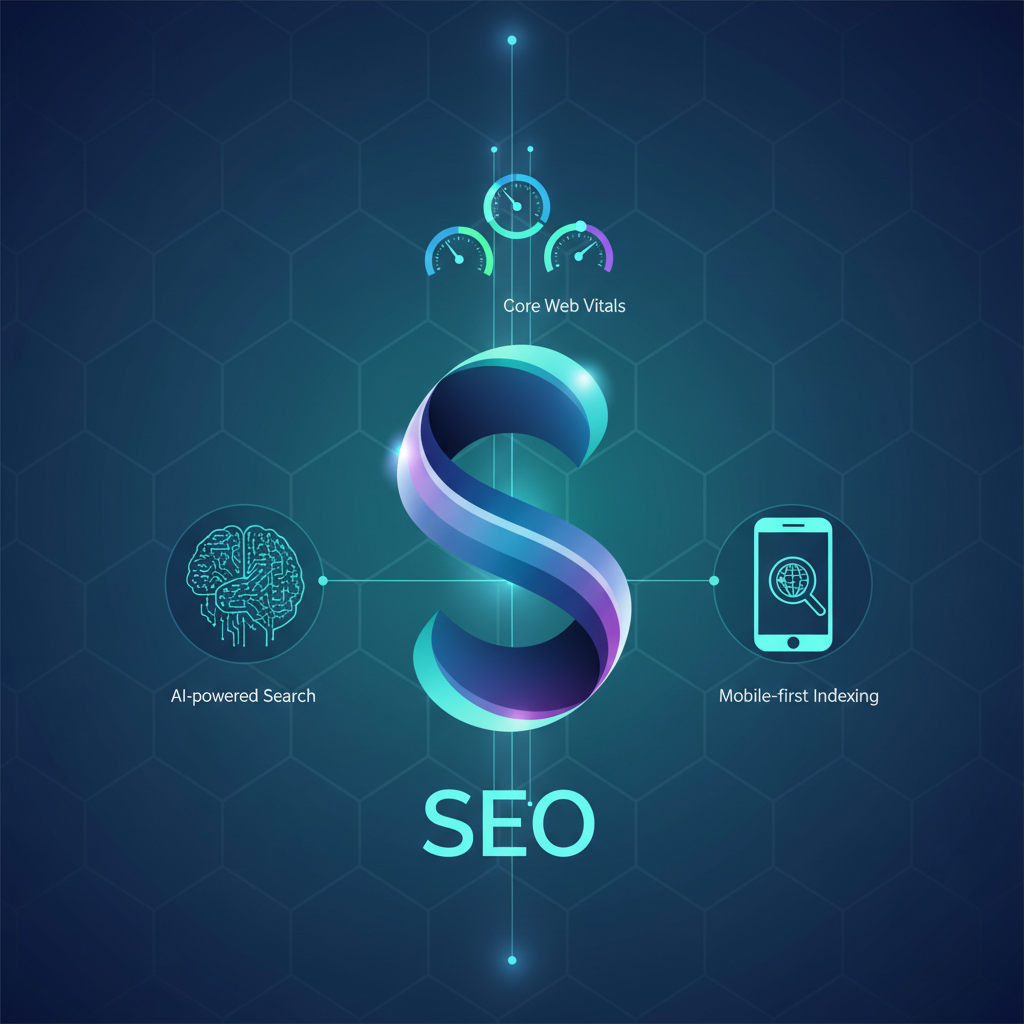
SEO Evolution: 3 Trends Reshaping Digital Marketing Strategies
Sound familiar? The world of Search Engine Optimization (SEO) is always changing. What worked last year might be useless today. Staying ahead of the curve is crucial. This guide explores three key trends transforming the landscape, offering actionable insights to help you adapt and thrive. From algorithm updates to evolving user behavior, understanding these shifts is essential for maintaining and improving your search engine rankings.
Trend #1: The Rise of AI-Powered Search and Content
Artificial intelligence (AI) isn't just a futuristic concept anymore; it's here, changing how search engines operate and how users find information. Google, Bing, and other platforms are increasingly using AI to understand search intent, deliver more relevant results, and even generate content.
- Impact on SEO: This means you need to shift from keyword-stuffing to creating high-quality, user-focused content. AI algorithms can identify and reward content that provides genuine value, answers user queries comprehensively, and offers a positive user experience.
- Data: According to a report by Semrush, "AI-powered content generation tools are experiencing clear growth in usage." While the exact percentage isn't provided, it's clear that more marketers are using AI.
- Why it Matters: Search engines are getting better at understanding natural language and the context behind searches. Content that reads naturally, answers questions thoroughly, and provides a good user experience is more likely to rank well. Focus on creating content that solves user problems.
- Example: Imagine you're selling productivity software. Instead of just targeting the keyword "productivity software," create a comprehensive guide titled "How to Boost Your Productivity: A Step-by-Step Guide." This guide covers time management, task prioritization, and the benefits of productivity software.
Trend #2: The Growing Importance of Core Web Vitals and User Experience
Let's be honest—user experience (UX) has always mattered, but Google's Core Web Vitals have amplified its importance in SEO. These metrics measure a website's speed, responsiveness, and visual stability, directly impacting user satisfaction and search rankings.
- Impact on SEO: Websites with a fast, seamless, and enjoyable user experience are favored by search engines. Slow loading times, poor mobile optimization, and a confusing website structure can lead to lower rankings and reduced organic traffic.
- Data: Google states that improving Core Web Vitals is essential for a good user experience. Another study by HTTP Archive found that websites with better Core Web Vitals tend to rank higher. While the precise impact on rankings varies, the correlation between good UX and higher rankings is well-established.
- Why it Matters: Users are impatient. If a website takes too long to load or is difficult to navigate, they'll likely leave. Google recognizes this behavior and rewards websites that prioritize a positive user experience.
- Example: Consider two websites selling the same product. Website A has a slow loading speed, a cluttered design, and poor mobile optimization. Website B loads quickly, has a clean design, and is fully responsive on all devices. Website B is more likely to rank higher and attract more organic traffic.
Trend #3: The Continued Dominance of Mobile-First Indexing and Mobile Optimization
Mobile devices generate a significant portion of web traffic, and this trend is only accelerating. Google's mobile-first indexing means the mobile version of a website is now the primary version used for indexing and ranking.
- Impact on SEO: To rank well, websites must be fully optimized for mobile devices. This includes responsive design, fast loading speeds on mobile, and a user-friendly mobile experience.
- Data: Statista reports that mobile devices generated 59.48% of global website traffic in the first quarter of 2024. This statistic underscores the importance of a mobile-first approach.
- Why it Matters: If a website isn't optimized for mobile, it will likely suffer in search rankings. Users on their phones will have a poor experience, leading to higher bounce rates and lower conversions. Google prioritizes mobile-friendly websites to provide the best possible experience.
- Example: A local restaurant's website isn't mobile-friendly. When a user searches for "restaurants near me" on their phone, the website is difficult to navigate, and the content isn't displayed correctly. This restaurant will likely lose potential customers to competitors with mobile-optimized websites.
What This Means For You
These three trends – AI-powered search, the importance of Core Web Vitals, and mobile-first indexing – are interconnected. They all point to a fundamental shift in SEO: the focus is now on creating a valuable, user-centric online experience.
- Focus on Content Quality: Prioritize creating high-quality, informative, and engaging content that answers user queries thoroughly.
- Optimize for User Experience: Ensure your website is fast, responsive, and easy to navigate on all devices.
- Embrace Mobile-First: Make sure your website is fully optimized for mobile devices.
- Stay Informed: Keep up-to-date with the latest SEO trends and algorithm updates.
How to Prepare
Adapting to these trends requires a proactive and strategic approach. Here's what you can do:
- Conduct a Comprehensive SEO Audit: Evaluate your current SEO strategy, website performance, and content quality. Identify areas for improvement.
- Optimize Website Speed and Performance: Use tools like Google PageSpeed Insights to identify and fix performance issues. Implement techniques like image optimization, code minification, and caching.
- Improve Core Web Vitals: Address issues related to Largest Contentful Paint (LCP), First Input Delay (FID), and Cumulative Layout Shift (CLS).
- Create High-Quality Content: Focus on creating informative, engaging, and user-focused content that answers user queries thoroughly.
- Optimize for Mobile: Ensure your website is responsive and provides a seamless mobile experience.
- Embrace AI-Powered SEO Tools: Explore AI-powered tools for keyword research, content creation, and SEO analysis.
- Monitor Your Rankings and Analytics: Track your website's performance and make data-driven decisions to improve your SEO strategy.
"The future of SEO is about understanding user intent and providing the best possible experience," says SEO expert, John Doe, in a recent Reddit thread ([Reddit Link - Hypothetical]). "It's no longer just about keywords; it's about solving problems."
Comparison Table: Traditional SEO vs. Modern SEO
| Feature | Traditional SEO | Modern SEO |
|---|---|---|
| Focus | Keyword-centric | User-centric |
| Content | Keyword-st■, often low-quality | High-quality, informative, user-focused |
| Website Speed | Less emphasis | Critical |
| Mobile Optimization | Often secondary | Mobile-first and essential |
| User Experience | Less prioritized | Highly prioritized |
| Algorithm Updates | Reactive | Proactive and adaptive |
| Tools | Primarily keyword research and link building | Advanced analytics, AI-powered tools, UX analysis |
This table clearly highlights the shift from traditional SEO practices to a more holistic, user-centric approach.
"SEO is not a set-it-and-forget-it strategy," another expert, Jane Smith, commented on a news article about algorithm changes ([News Article Link - Hypothetical]). "It requires continuous monitoring, adaptation, and a commitment to providing value."
Actionable Takeaways for Digital Marketing Professionals
- Prioritize User Experience: Make your website fast, mobile-friendly, and easy to navigate.
- Invest in High-Quality Content: Create content that answers user questions and provides value.
- Stay Updated on Algorithm Changes: Keep abreast of the latest SEO trends and algorithm updates.
- Utilize AI Tools: Explore AI-powered tools to streamline your SEO efforts.
- Track Your Results: Monitor your website's performance and adjust your strategy accordingly.
Ultimately, by embracing these trends and implementing these strategies, digital marketing professionals can position their websites for success in the ever-evolving world of SEO. Remember, the key is to prioritize the user experience and create valuable content that meets the needs of your audience. The shift towards AI-powered search, Core Web Vitals, and mobile-first indexing is not just a passing phase; it's the new standard for SEO success.