
6 Running Shoe Myths That Are Holding You Back
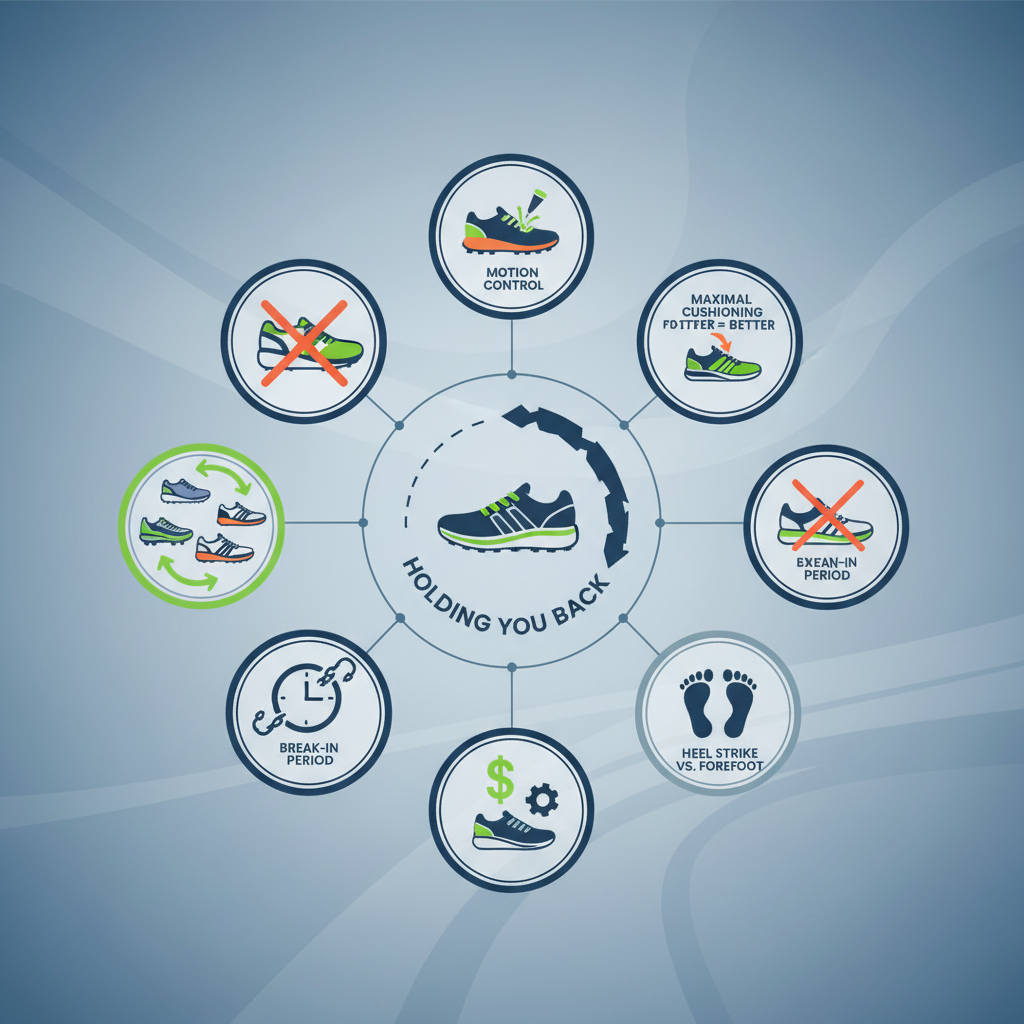
Ever feel like you're lost in a maze of running shoe advice? The world of running shoes can be overwhelming, with all the jargon and conflicting opinions. This guide cuts through the noise, debunking common myths and offering clear, actionable insights to help you find the best running shoes for your needs.
Why These Myths Persist
The running shoe industry is huge, with countless brands, models, and technologies vying for your attention. This saturation, combined with aggressive marketing and anecdotal evidence, breeds misconceptions. Also, individual running styles, foot types, and training goals vary greatly, making it tough to offer universally applicable advice. These factors contribute to the persistence of myths, making it challenging for runners to separate fact from fiction. Sound familiar?
Myth #1: More Cushioning Always Equals Better Performance
Many runners believe that maximum cushioning is the key to injury prevention and enhanced performance. While cushioning can provide comfort and absorb impact, too much cushioning can sometimes hurt performance.
"The most cushioned shoes can feel sluggish, and can make it more difficult to feel the ground, which is essential for efficient running form." - Expert Runner.
Reality: The ideal amount of cushioning depends on your individual needs, running style, and the type of training you're doing. For instance, long-distance runners may benefit from more cushioning to reduce fatigue, while those focused on speedwork might prefer a lighter, less cushioned shoe for better ground feel and responsiveness.
- Consider Your Running Style: Over-cushioning can lead to a less efficient stride for some runners.
- Evaluate Your Training: Different types of runs warrant different levels of cushioning.
- Prioritize Fit: Proper fit is more crucial than the amount of cushioning.
Myth #2: Expensive Running Shoes Guarantee Superior Quality and Performance
It's easy to assume that the most expensive running shoes are inherently the best. But, price doesn't always correlate with quality or suitability for your specific needs.
Reality: Price often reflects marketing, branding, and advanced technologies, but these factors don't automatically translate to superior performance for every runner. A $200 shoe might not be better for you than a $100 shoe. The best shoe is the one that fits your foot, running style, and training goals.
- Research and Reviews: Read reviews from various sources to gain insights into different models.
- Focus on Fit: The most expensive shoe won't perform if it doesn't fit properly.
- Consider Your Budget: There are excellent running shoes available at various price points.
Myth #3: You Need to Replace Your Running Shoes Every 300 Miles
The 300-mile rule is a commonly cited guideline for replacing running shoes. While it's a useful starting point, it's not a universal truth.
"Mileage is a good rule of thumb, but it shouldn't be the only factor you consider when determining when to replace your shoes." - Running Coach.
Reality: Shoe lifespan depends on various factors, including your weight, running surface, running style, and the shoe's construction. Some shoes might last longer than 300 miles, while others might need replacing sooner.
- Monitor Wear and Tear: Examine the outsole, midsole, and upper for signs of wear.
- Pay Attention to Your Body: If you experience increased pain or discomfort, it might be time for a new pair.
- Rotate Shoes: Using multiple pairs of shoes can extend the lifespan of each.
Myth #4: Pronation is Always a Problem That Needs to Be Fixed
Pronation refers to the inward rolling of the foot during a stride. While excessive pronation can contribute to injuries, it's not always a problem that needs correction.
Reality: Pronation is a natural movement that helps absorb impact. Only if you overpronate, which means your foot rolls inward excessively, or underpronate (supinate), which means your foot rolls outward, is it a cause for concern. Many runners function perfectly well with their natural pronation.
- Consult a Professional: A running shoe store specialist can assess your gait.
- Consider Your Foot Type: Not all runners need stability shoes.
- Focus on Proper Form: Improving your running form can often address pronation-related issues.
Myth #5: Running Shoes Can Cure Injuries
While running shoes play a vital role in injury prevention and support, they cannot cure existing injuries. They can help manage symptoms, but they are not a substitute for proper medical care.
Reality: If you're injured, consult a medical professional for diagnosis and treatment. Running shoes can provide support and cushioning, but they can't magically heal an injury.
- Seek Medical Advice: Consult a doctor or physical therapist for any running-related injuries.
- Choose Appropriate Shoes: Select shoes that provide the right support and cushioning for your needs.
- Follow Treatment Plans: Adhere to recommended treatment plans and rehabilitation exercises.
Myth #6: Minimalist Shoes are Always Better for You
Minimalist shoes, designed to mimic barefoot running, have gained popularity. However, they aren't the best choice for every runner.
Reality: Minimalist shoes can strengthen foot muscles and improve running form for some runners. However, they require a gradual transition to avoid injury. They aren't suitable for everyone, particularly those with existing foot problems or those who aren't used to running with less support.
- Transition Gradually: If you decide to try minimalist shoes, start slowly and gradually increase your mileage.
- Listen to Your Body: Pay attention to any pain or discomfort.
- Consider Your Running Surface: Minimalist shoes are best suited for smooth surfaces.
What Actually Works
Finding the perfect running shoes involves understanding your individual needs and running style. Here's what actually works:
- Get a Professional Fitting: Visit a specialty running store and have your feet analyzed.
- Consider Your Gait: Determine your pronation type.
- Assess Your Training: Choose shoes that match your training goals (e.g., speedwork, long runs).
- Prioritize Comfort: The shoe should feel comfortable from the moment you put it on.
- Don't Be Afraid to Experiment: Try different brands and models to find what works best for you.
Comparison Table: Running Shoe Features
| Feature | Adidas Adizero Evo SL | Brooks Ghost 17 | Hoka Clifton 10 |
|---|---|---|---|
| Cushioning | Moderate | Moderate | High |
| Weight | Lightweight | Moderate | Moderate |
| Best For | Speedwork, Racing | Daily Training, Beginners | Long Runs, Recovery |
| Heel-to-toe Drop | 6 mm | 12 mm | 5 mm |
Ultimately, navigating the world of running shoes can be challenging, but by debunking common myths and focusing on your individual needs, you can find the perfect pair to enhance your performance and prevent injuries. Remember to prioritize fit, consider your running style, and listen to your body. Happy running!