
The Ultimate Guide to Understanding and Reducing Cart Abandonment
The Ultimate Guide to Understanding and Reducing Cart Abandonment
Are you watching potential sales slip away? Customers fill their carts, then vanish before buying? Sound familiar? You're definitely not alone. Cart abandonment plagues e-commerce, but understanding why it happens—and acting on it—can seriously boost your bottom line.
This guide cuts through the noise and gives you actionable insights to turn those abandoned carts into completed sales. We'll explore the 'what,' 'why,' and 'how' of cart abandonment, arming you with the knowledge and strategies to optimize your checkout process and recover lost revenue.
What Is Cart Abandonment?
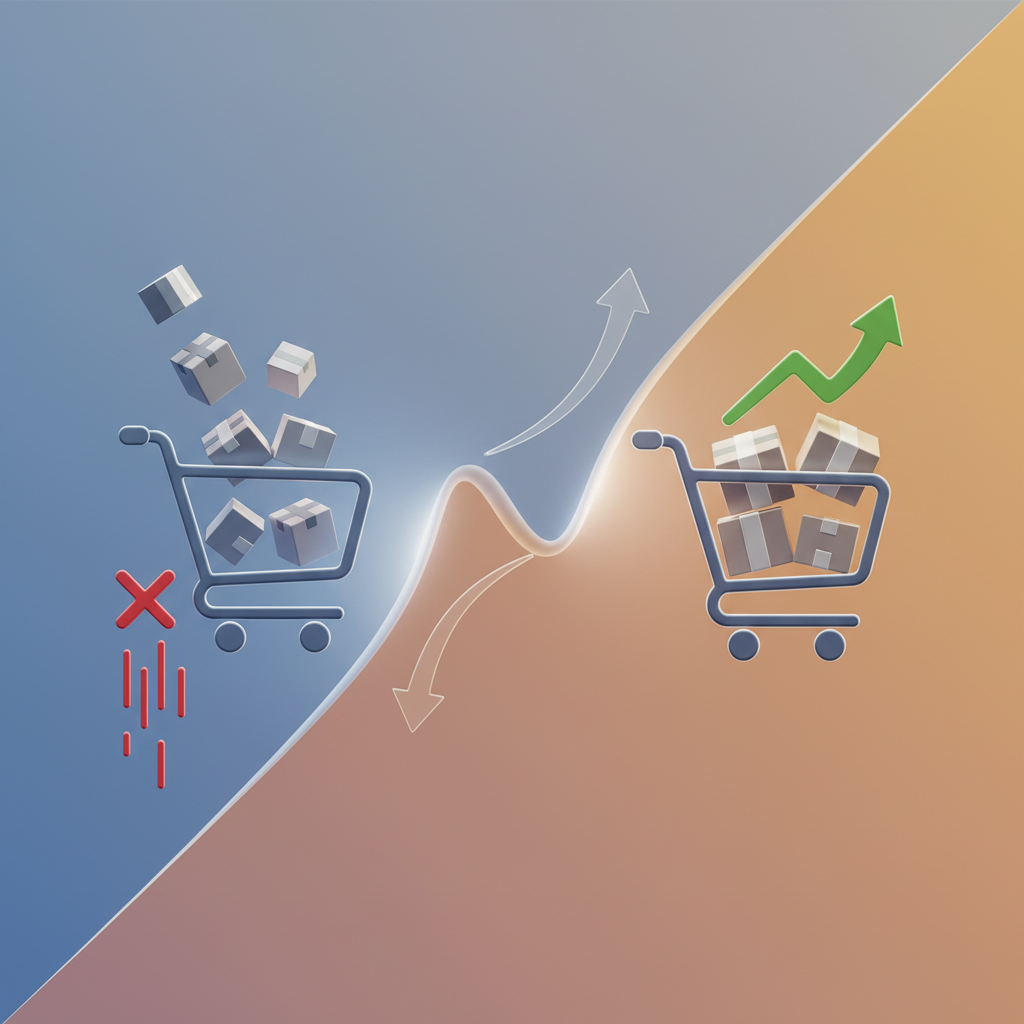
Cart abandonment happens when a customer adds items to their online shopping cart but leaves the website without completing the purchase. This is a critical metric for any e-commerce business because it directly impacts revenue and customer acquisition costs. A high cart abandonment rate suggests something's off in the customer journey, potentially hurting conversions and sales.
Why Does Cart Abandonment Matter?
Cart abandonment is a costly problem. It means lost revenue, wasted marketing, and missed opportunities to build customer relationships. Fixing cart abandonment isn't just about recovering lost sales; it's about optimizing the entire customer experience.
Consider these stats:
- Approximately 70% of online shopping carts are abandoned Baymard Institute.
- The average order value drops by 10-20% due to cart abandonment Statista.
- Recovering abandoned carts can increase overall revenue by as much as 30% SaleCycle.
These figures highlight why understanding and addressing cart abandonment is so important.
Key Benefits of Reducing Cart Abandonment
Reducing cart abandonment offers several key benefits for e-commerce businesses:
- Increased Revenue: Turning abandoned carts into sales directly translates to more money.
- Improved Customer Experience: Fixing checkout issues makes for a better shopping experience, leading to happier and more loyal customers.
- Enhanced Marketing ROI: Recovering abandoned carts maximizes the return on investment (ROI) of your marketing campaigns by closing sales that might otherwise be lost.
- Better Conversion Rates: A streamlined checkout process leads to higher conversion rates across the board.
- Stronger Brand Reputation: Providing a smooth and user-friendly shopping experience builds trust and strengthens your brand reputation.
How Cart Abandonment Works
Cart abandonment is complex, with many contributing factors. Customers abandon carts for various reasons, including unexpected costs, a complicated checkout, or a lack of trust in the website. Understanding these factors is critical for developing effective solutions.
Here's a typical cart abandonment journey:
- Browsing and Selection: A customer browses your website and adds items to their cart.
- Initiating Checkout: The customer proceeds to the checkout page.
- Information Gathering: The customer begins to fill in their shipping and payment information.
- Abandonment: The customer leaves the checkout process without completing the purchase.
- Recovery (Optional): You implement strategies to recover the abandoned cart, such as sending reminder emails.
Step-by-Step Guide to Reducing Cart Abandonment
Let's be honest—reducing cart abandonment isn't always easy, but it's worth it. Here's how to do it:
1. Identify the Problem
The first step is to identify the scope of the problem. Use analytics tools like Google Analytics to track your cart abandonment rate. Then, dig into the data to see where customers are dropping off in the checkout. Is it at the shipping cost stage? The payment information stage?
2. Understand Your Customers
- Conduct Customer Surveys: Ask customers why they abandoned their carts. This direct feedback is invaluable.
- Analyze Customer Behavior: Use heatmaps and session recordings to understand how customers interact with your checkout process.
- Segment Your Audience: Different customer segments may have different reasons for abandoning carts. Tailor your strategies accordingly.
3. Optimize Your Checkout Process
The checkout process should be as smooth and user-friendly as possible. Here's how to optimize it:
- Simplify the Checkout: Reduce the number of steps and form fields required.
- Offer Guest Checkout: Don't force customers to create an account before they can purchase.
- Show Progress Indicators: Clearly display the checkout progress so customers know where they are in the process.
- Ensure Mobile Optimization: Make sure your checkout process is fully responsive and optimized for mobile devices.
4. Address Common Abandonment Triggers
Several factors commonly contribute to cart abandonment. Address these issues proactively:
- Hidden Costs: Be transparent about shipping costs, taxes, and other fees upfront. Source: Practical Ecommerce
- Unexpected Shipping Costs: High shipping costs are a major deterrent. Offer free shipping whenever possible, or clearly communicate shipping costs early in the process.
- Account Creation Required: Avoid forcing customers to create an account. Offer guest checkout options.
- Website Security Concerns: Display trust badges and security seals to reassure customers about the safety of their information.
- Complicated Checkout Process: Simplify the checkout process and minimize the number of steps required.
- Lack of Payment Options: Offer a variety of payment methods, including credit cards, PayPal, and other popular options.
5. Implement Cart Abandonment Recovery Strategies
Recovering abandoned carts is a proactive approach to recapture lost revenue. Here's how:
- Send Abandoned Cart Emails: Trigger automated emails to customers who abandon their carts. Offer a reminder of the items left behind, along with a special offer (e.g., a discount or free shipping).
- Personalize Your Emails: Tailor the email content to the specific items in the abandoned cart.
- Retargeting Ads: Use retargeting ads on social media and other platforms to remind customers about their abandoned carts.
- Live Chat Support: Offer live chat support on the checkout page to answer customer questions and address any concerns.
6. Continuously Monitor and Test
Cart abandonment is an ongoing challenge. Continuously monitor your abandonment rate and test different strategies to optimize your checkout process. Use A/B testing to compare different checkout designs, email subject lines, and offers.
Tools and Resources
Here's a quick rundown of tools and resources that can help you:
- Google Analytics: Provides valuable insights into your website's performance, including cart abandonment rates.
- Hotjar: Offers heatmaps and session recordings to understand customer behavior.
- Optimizely: A/B testing platform.
- Klaviyo: Email marketing platform with abandoned cart email automation features.
- Mailchimp: Email marketing platform with abandoned cart email automation features.
- Shopify: E-commerce platform with built-in abandoned cart recovery features.
- BigCommerce: E-commerce platform with built-in abandoned cart recovery features.
Common Mistakes to Avoid
Here's what most guides get wrong: avoiding these common mistakes is crucial to minimizing cart abandonment:
- Ignoring the Problem: Failing to track and analyze your cart abandonment rate.
- A Cluttered Checkout Process: Overcomplicating the checkout process with unnecessary steps and form fields.
- Lack of Transparency: Hiding shipping costs or other fees until the final stage of checkout.
- Poor Mobile Optimization: Failing to optimize your checkout process for mobile devices.
- Not Offering Guest Checkout: Forcing customers to create an account before they can purchase.
- Lack of Payment Options: Offering a limited selection of payment methods.
- Not Using Cart Abandonment Emails: Failing to send automated emails to recover abandoned carts.
Pro Tips for Reducing Cart Abandonment
Here are some pro tips to help you further reduce cart abandonment:
- Offer Free Shipping: Free shipping is a powerful incentive to encourage customers to complete their purchases. Consider setting a minimum order value for free shipping.
- Provide a Money-Back Guarantee: A money-back guarantee can build trust and reassure customers about their purchase.
- Use Trust Badges: Display trust badges and security seals to reassure customers that their information is safe.
- Offer Live Chat Support: Provide live chat support on the checkout page to answer customer questions and address any concerns in real-time.
- Optimize Product Pages: Ensure that your product pages are clear, concise, and provide all the necessary information, including high-quality images and detailed product descriptions. Make sure the 'Add to Cart' button is prominent and easy to find.
- Simplify the Form Fields: If asking for information, keep it to a minimum. Only ask for the necessary details to complete the purchase, and consider auto-filling any information where possible.
- Create a Sense of Urgency: Use limited-time offers or low-stock warnings to create a sense of urgency and encourage customers to complete their purchases.
- Test, Test, Test: Continuously test different checkout designs, email subject lines, and offers to optimize your conversion rates.
FAQs
Here are some frequently asked questions about cart abandonment:
Q: What is a good cart abandonment rate?
A: The average cart abandonment rate is around 70%. A good cart abandonment rate is considered to be below 60%.
Q: How do I calculate my cart abandonment rate?
A: Cart abandonment rate is calculated by dividing the number of completed purchases by the number of initiated checkouts and subtracting that result from 1.
(1 - (Completed Purchases / Initiated Checkouts)) * 100 = Cart Abandonment Rate
Q: What are the most common reasons for cart abandonment?
A: The most common reasons for cart abandonment include unexpected costs (shipping, taxes), the need to create an account, a complicated checkout process, and security concerns.
Q: How effective are abandoned cart emails?
A: Abandoned cart emails are very effective. Studies show that they can recover a significant percentage of lost sales. They typically have a higher open and click-through rate than other types of marketing emails.
Q: How long should I wait before sending an abandoned cart email?
A: It's generally recommended to send the first abandoned cart email within an hour of the cart being abandoned. Follow up with a second email 24 hours later if the customer still hasn't completed their purchase.
Conclusion
Cart abandonment is a challenge, but it's not insurmountable. By understanding the causes, optimizing your checkout, and using effective recovery strategies, you can significantly reduce your abandonment rate and boost revenue. Keep an eye on your results, experiment with different approaches, and stay updated on e-commerce trends to help your online store thrive.