
On-Page vs. Off-Page SEO: A Comparison of Strategies for Ranking Success
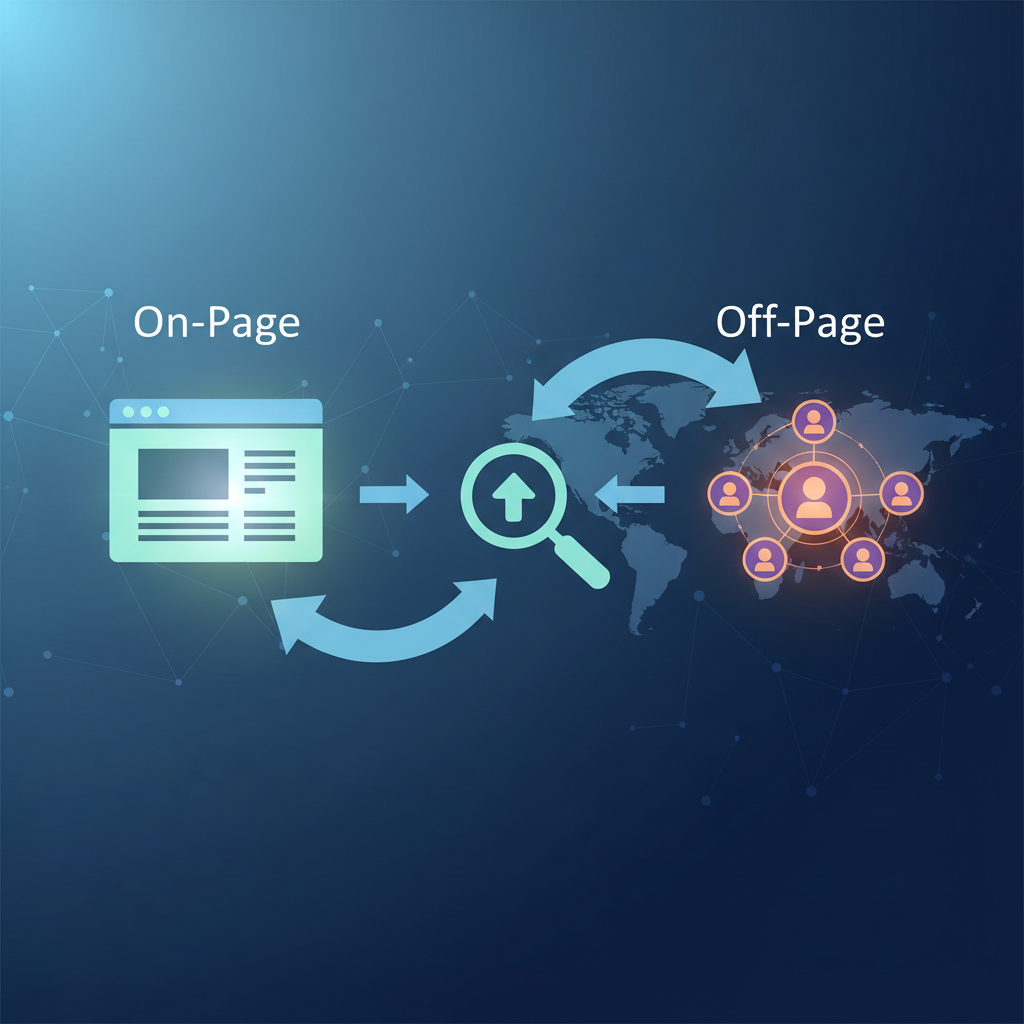
On-Page vs. Off-Page SEO: A Comparison of Strategies for Ranking Success
Struggling to get your website to rank higher in search engine results pages (SERPs)? Sound familiar? Many website owners find Search Engine Optimization (SEO) overwhelming. The good news is that by understanding the key strategies, you can significantly improve your website's visibility and attract more organic traffic. Two fundamental pillars of SEO are on-page and off-page optimization. This guide will compare these two crucial aspects, helping you understand their differences, how they work together, and how to implement them effectively.
Quick Comparison Table
| Feature | On-Page SEO | Off-Page SEO |
|---|---|---|
| Focus | Website content and structure | Building authority and reputation |
| Activities | Keyword research, content creation, HTML tags | Link building, social media, online PR |
| Control | Direct control over website elements | Less direct control, reliant on external factors |
| Primary Goal | Improve website's relevance to search engines | Increase website's authority and trust |
| Examples | Optimizing title tags, meta descriptions | Guest blogging, social sharing, influencer outreach |
Overview of On-Page SEO
On-page SEO refers to optimizing elements within your website to improve its search engine rankings. It's about making your website as clear and relevant as possible to both search engines and users. This includes everything from the content you write to the technical aspects of your website's structure.
Key elements of on-page SEO include:
- Keyword Research: Identifying the terms your target audience uses when searching for information related to your business. This involves analyzing search volume, competition, and user intent.
- Content Creation: Developing high-quality, informative, and engaging content that incorporates your target keywords naturally. This can include blog posts, articles, product descriptions, and more.
- HTML Optimization: Optimizing HTML tags, such as title tags, meta descriptions, header tags (H1, H2, etc.), and image alt text, to provide search engines with context about your content.
- Website Structure and Architecture: Ensuring your website has a clear, logical structure that's easy for both users and search engines to navigate. This includes using internal linking to connect related pages.
- User Experience (UX): Optimizing your website for a positive user experience, including fast loading speeds, mobile-friendliness, and a clear call to action. A good UX translates to increased time on site and lower bounce rates, which are both signals that search engines consider.
Tip: Regularly audit your website's on-page SEO elements to identify areas for improvement. Use SEO tools to analyze your current rankings, keyword usage, and website performance.
Overview of Off-Page SEO
Off-page SEO involves activities outside of your website that influence your search engine rankings. The primary goal is to build your website's authority, reputation, and trustworthiness in the eyes of search engines. This is largely achieved through acquiring high-quality backlinks, which act as "votes of confidence" from other websites.
Key elements of off-page SEO include:
- Link Building: Acquiring backlinks from reputable websites. This is one of the most important aspects of off-page SEO. The more high-quality backlinks your website has, the higher it's likely to rank.
- Social Media Marketing: Building a strong presence on social media platforms and sharing your content to increase brand awareness and drive traffic to your website.
- Online Reputation Management: Monitoring and managing your online reputation, including responding to reviews and addressing any negative feedback.
- Brand Mentions: Getting your brand mentioned on other websites, even if there's no direct link. Brand mentions can still contribute to your website's authority.
- Influencer Marketing: Partnering with influencers in your niche to promote your content and reach a wider audience.
Warning: Be careful about participating in black-hat SEO tactics like buying links or keyword stuffing, as these practices can lead to penalties from search engines.
Feature-by-Feature Comparison
Let's be honest—understanding the differences between on-page and off-page SEO can feel complicated. Let's break it down:
1. Keyword Targeting:
- On-Page SEO: Focuses on strategically incorporating keywords into your website content, title tags, meta descriptions, and image alt text. The goal is to signal to search engines what your page is about.
- Off-Page SEO: Indirectly supports keyword targeting by building authority and relevance. Backlinks from websites with relevant content can help improve rankings for specific keywords.
2. Content Quality:
- On-Page SEO: Requires creating high-quality, informative, and engaging content that satisfies user intent. This includes well-written articles, helpful guides, and visually appealing elements.
- Off-Page SEO: Content quality is critical for attracting backlinks. Websites are more likely to link to valuable and shareable content.
3. Website Authority:
- On-Page SEO: Contributes to website authority by making your site user-friendly, fast, and easy to navigate. A good user experience is a ranking factor.
- Off-Page SEO: Directly impacts website authority. High-quality backlinks from reputable websites are a key signal of authority.
4. Technical SEO:
- On-Page SEO: Involves optimizing the technical aspects of your website, such as site speed, mobile-friendliness, and website structure. This includes ensuring your site is crawlable and indexable by search engines.
- Off-Page SEO: Has an indirect effect; a website with strong off-page SEO will likely attract more traffic, which in turn can improve technical SEO signals like site speed and user engagement.
Pricing
On-page and off-page SEO, in themselves, don't have a direct pricing structure. They're methodologies, not paid services. However, the activities involved in each have associated costs.
- On-Page SEO Costs: You can invest in SEO tools for keyword research, content optimization, and technical audits. You may also hire a content writer or SEO specialist to implement these strategies.
- Off-Page SEO Costs: Building links can involve hiring a link-building agency, guest posting, or creating high-quality content that naturally attracts links. Social media marketing and online reputation management can also incur costs.
Budgeting Tip: Allocate your budget strategically between on-page and off-page SEO based on your website's current needs and goals. A balanced approach is often the most effective.
Best For
On-Page SEO is Best For:
- Improving the relevance of your website to search queries.
- Optimizing for specific keywords.
- Creating a better user experience.
- Ensuring your website is technically sound for search engines.
Off-Page SEO is Best For:
- Building your website's authority and trust.
- Increasing brand awareness.
- Driving referral traffic.
- Expanding your reach and visibility.
Strategic Alignment: Consider both on-page and off-page SEO as complementary strategies. They work together to create a robust SEO strategy that drives sustainable growth.
Our Verdict
Ultimately, both on-page and off-page SEO are essential components of a successful SEO strategy. On-page SEO lays the foundation by optimizing your website's content and structure, making it easy for search engines to understand and rank your pages. Off-page SEO builds authority and reputation by acquiring backlinks and increasing brand visibility. The ideal approach involves a balanced combination of both. You need a well-optimized website (on-page) that's also recognized and trusted by other websites (off-page).
Implementing a robust SEO strategy takes time and effort. However, the rewards – increased organic traffic, higher rankings, and improved business results – are well worth the investment. By understanding the differences and synergies between on-page and off-page SEO, you can develop a comprehensive plan that maximizes your website's potential.
"SEO is not just about keywords and links. It's about creating value for your audience and making sure your website is easily accessible and trustworthy." - Rand Fishkin, Founder of SparkToro
Here are some actionable takeaways to get you started:
- Conduct Thorough Keyword Research: Identify the keywords your target audience is using. Use tools like Google Keyword Planner or SEMrush to find relevant terms.
- Optimize On-Page Elements: Write compelling title tags, meta descriptions, and header tags. Create high-quality content that incorporates your target keywords naturally.
- Build High-Quality Backlinks: Focus on earning backlinks from reputable websites in your niche. Guest blogging, broken link building, and creating shareable content are effective strategies.
- Promote Your Content: Share your content on social media platforms and encourage others to share it. This increases brand awareness and drives traffic to your website.
- Monitor Your Progress: Track your website's rankings, organic traffic, and conversions. Use analytics tools to measure your results and make adjustments to your strategy as needed.
According to a study by Search Engine Journal, websites that consistently update their content and implement effective SEO strategies experience a 30% increase in organic traffic Search Engine Journal.
A report by SEMrush found that businesses that prioritize link building often see a 20% increase in website authority within the first six months SEMrush.
Backlinko reports that websites that have a strong internal linking structure see a 40% increase in their average organic CTR Backlinko.