
Best Multi-Channel Marketing Resources: Tools, Courses & Communities
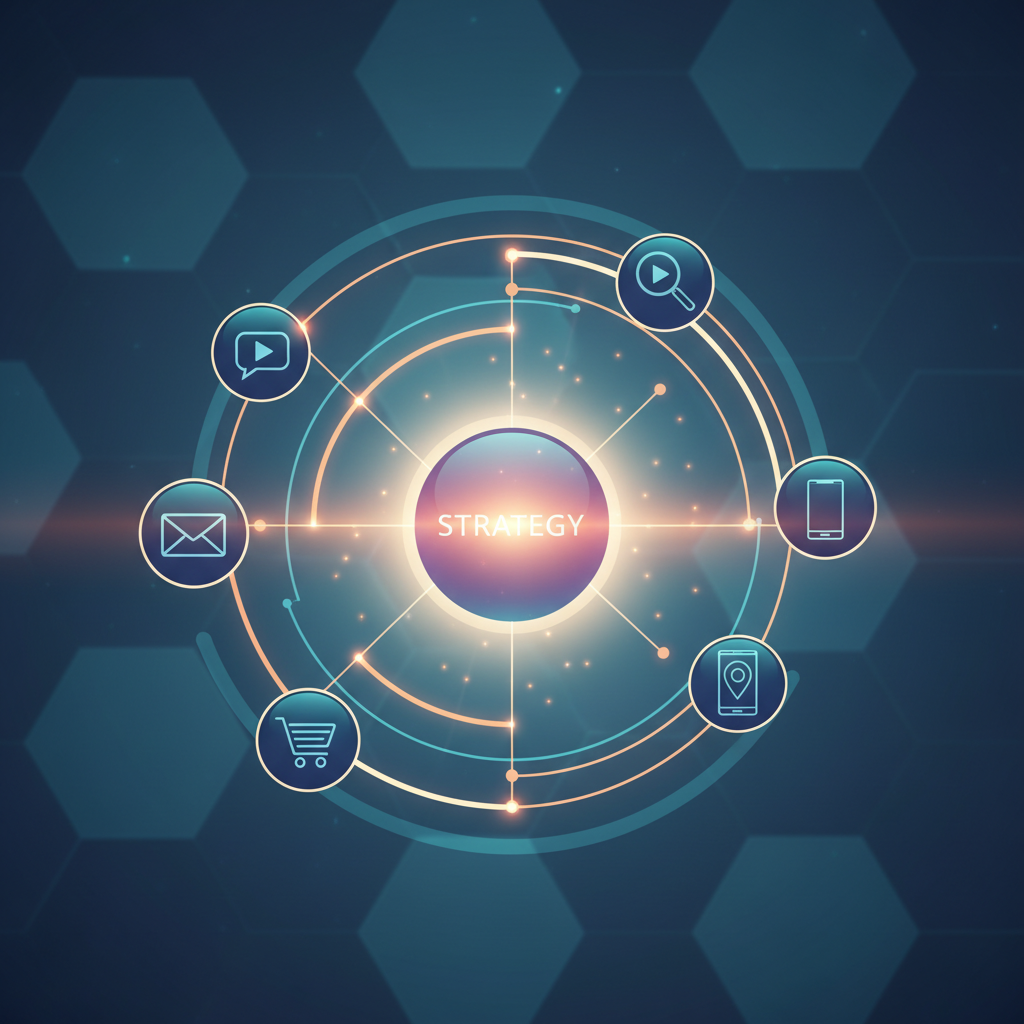
Are you putting all your eggs in one basket? In today's digital landscape, relying solely on a single marketing channel can be a recipe for disaster. This guide dives into the best resources to help you diversify your marketing efforts and build a robust, multi-channel strategy. We'll explore tools, courses, and communities that can help you reach your target audience and weather any marketing storm.
The Problem: Why Single-Channel Marketing Fails
The digital marketing world is constantly evolving. What works today might not work tomorrow. Building your entire business on a single platform, like Google Ads or Facebook, leaves you vulnerable to algorithm changes, platform outages, and increased competition. A recent Reddit post highlighted this issue:
Don’t depend on one platform. Test, Compare, Adjust.
This simple advice encapsulates the core principle of multi-channel marketing. It's about spreading your reach, mitigating risk, and maximizing your opportunities for growth.
According to a study by HubSpot, businesses that use multiple marketing channels generate, on average, a 48% higher customer lifetime value than those using a single channel. This statistic underscores the importance of a diverse marketing approach.
Another telling statistic: Companies with a strong multi-channel strategy retain, on average, 89% of their customers, whereas those with a weak strategy retain only 33% Source: Invesp. This demonstrates the power of a well-rounded approach.
Free Resources to Get You Started
Before you invest in paid tools, explore these free resources to build a solid foundation for your multi-channel marketing strategy.
Blogs and Websites: Many websites offer valuable insights and strategies for multi-channel marketing. Some of the best include:
- MarketingProfs: Offers articles, webinars, and training on various marketing topics, including multi-channel strategies. MarketingProfs
- HubSpot Marketing Blog: Provides comprehensive guides, templates, and insights on inbound marketing, social media, content marketing, and more. HubSpot
- Neil Patel's Blog: Offers actionable advice and case studies on digital marketing, including multi-channel approaches. Neil Patel
Free Courses and Tutorials: Several platforms offer free courses to help you learn the fundamentals of multi-channel marketing.
- Google Skillshop: Offers free courses on Google Ads, Google Analytics, and other Google marketing tools. Google Skillshop
- HubSpot Academy: Provides free certifications and courses on inbound marketing, content marketing, social media marketing, and other related topics. HubSpot Academy
- Coursera and edX: Explore courses from universities and institutions worldwide on a variety of marketing topics. Coursera and edX
Social Media Groups: Join relevant groups on Facebook, LinkedIn, and other platforms to learn from other marketers and stay updated on the latest trends.
- Facebook Groups: Search for groups related to digital marketing, social media marketing, and eCommerce.
- LinkedIn Groups: Join groups focused on marketing, advertising, and lead generation.
Paid Tools Worth the Investment
Once you've grasped the basics, consider these paid tools to streamline your multi-channel marketing efforts.
Marketing Automation Platforms: These platforms help you manage your marketing campaigns across multiple channels, automate repetitive tasks, and track your results.
- HubSpot: A comprehensive inbound marketing platform that offers marketing automation, CRM, and sales tools. HubSpot
- Benefits: Contact management, email marketing, marketing automation, detailed analytics.
- Features: Drag-and-drop email builder, lead scoring, A/B testing, workflow automation.
- Marketo: A powerful marketing automation platform designed for B2B and enterprise businesses. Marketo
- Benefits: Advanced segmentation, lead nurturing, revenue attribution, account-based marketing.
- Features: Dynamic content, multi-channel campaign management, integration with CRM systems.
- ActiveCampaign: A versatile platform suitable for businesses of all sizes, offering marketing automation, email marketing, and CRM capabilities. ActiveCampaign
- Benefits: Email marketing, marketing automation, CRM, sales automation.
- Features: Automation workflows, segmentation, A/B testing, dynamic content.
- HubSpot: A comprehensive inbound marketing platform that offers marketing automation, CRM, and sales tools. HubSpot
Social Media Management Tools: These tools help you schedule posts, manage your social media presence, and analyze your performance across different platforms.
- Hootsuite: A popular social media management platform that allows you to schedule posts, monitor mentions, and analyze your social media performance. Hootsuite
- Benefits: Scheduling, social listening, analytics, team collaboration.
- Features: Content calendar, hashtag tracking, social media monitoring, reporting.
- Buffer: A user-friendly social media management tool that simplifies scheduling and analyzing your social media content. Buffer
- Benefits: Easy scheduling, analytics, browser extensions, team collaboration.
- Features: Content queue, image editor, social media analytics, engagement tracking.
- Sprout Social: A comprehensive social media management platform that offers scheduling, analytics, social listening, and customer care features. Sprout Social
- Benefits: Social listening, analytics, reporting, team collaboration.
- Features: Sentiment analysis, competitor analysis, social media monitoring, customer relationship management.
- Hootsuite: A popular social media management platform that allows you to schedule posts, monitor mentions, and analyze your social media performance. Hootsuite
Email Marketing Platforms: These tools help you create and send email campaigns, manage your subscriber list, and track your email performance.
- Mailchimp: A widely used email marketing platform that offers a user-friendly interface and a range of features for creating and managing email campaigns. Mailchimp
- Benefits: Email marketing, automation, segmentation, reporting.
- Features: Drag-and-drop email builder, A/B testing, automation workflows, subscriber management.
- GetResponse: An all-in-one marketing platform that includes email marketing, landing pages, and marketing automation features. GetResponse
- Benefits: Email marketing, landing pages, marketing automation, webinars.
- Features: Email templates, automation workflows, landing page builder, webinar hosting.
- ConvertKit: An email marketing platform specifically designed for creators, offering features for building landing pages, sending email newsletters, and selling digital products. ConvertKit
- Benefits: Email marketing, landing pages, automation, e-commerce.
- Features: Email templates, automation workflows, landing page builder, e-commerce integration.
- Mailchimp: A widely used email marketing platform that offers a user-friendly interface and a range of features for creating and managing email campaigns. Mailchimp
Learning Resources: Courses and Certifications
To deepen your knowledge and skills in multi-channel marketing, consider these courses and certifications.
- Google Digital Garage: Offers free online courses covering various digital marketing topics, including multi-channel marketing. Google Digital Garage
- Facebook Blueprint: Provides courses and certifications on Facebook and Instagram advertising and marketing. Facebook Blueprint
- LinkedIn Learning: Offers a wide range of marketing courses, including those related to multi-channel marketing, social media marketing, and content marketing. LinkedIn Learning
- Udemy: A platform with a vast selection of marketing courses, often at discounted prices. Udemy
- Coursera: Offers courses and specializations from top universities and institutions on marketing and related subjects. Coursera
Communities to Connect and Learn
Join these communities to network with other marketers, share ideas, and stay updated on the latest trends.
Reddit: Several subreddits provide valuable insights and discussions on digital marketing.
- /r/digital_marketing: A popular subreddit for digital marketers to share knowledge, ask questions, and discuss industry trends. r/digital_marketing
- /r/marketing: A general marketing subreddit covering various topics, including multi-channel marketing. r/marketing
- /r/ecommerce: A subreddit focused on eCommerce, where you can find discussions on multi-channel marketing strategies for online businesses. r/ecommerce
Facebook Groups:
- Digital Marketing Groups: Search for groups focused on digital marketing, social media marketing, and eCommerce to connect with other professionals.
- eCommerce Groups: Join groups specifically for eCommerce businesses to discuss multi-channel marketing strategies, challenges, and successes.
LinkedIn Groups: Join groups related to marketing, advertising, and lead generation to network with professionals and stay informed about industry news.
Marketing Forums: Engage in discussions and seek advice on marketing forums like Warrior Forum or Black Hat World.
Our Top Picks for Multi-Channel Marketing Success
Here's a curated list of our top picks to help you excel in multi-channel marketing:
- Best Overall Marketing Automation Platform: HubSpot - HubSpot's comprehensive suite of tools makes it a great choice for businesses of all sizes, offering marketing automation, CRM, and sales tools.
- Best Social Media Management Tool: Hootsuite - Hootsuite provides scheduling, social listening, and analytics, making it an excellent platform for managing your social media presence.
- Best Email Marketing Platform: Mailchimp - Mailchimp's user-friendly interface and robust features make it a top choice for email marketing campaigns.
- Best Free Resource: Google Skillshop - Google Skillshop offers free courses on Google Ads, Google Analytics, and other Google marketing tools, providing a solid foundation for your multi-channel marketing strategy.
- Best Community: r/digital_marketing - This subreddit offers an excellent place to connect with other marketers, share knowledge, and stay updated on industry trends.
Pro Tip: Remember that consistency is key when implementing a multi-channel strategy. Ensure your brand messaging is consistent across all platforms, and provide a seamless customer experience.
Addressing Common Challenges in Multi-Channel Marketing
Multi-channel marketing comes with its own set of challenges. Here are some of the most common issues and how to address them:
- Data Silos: Data silos can hinder your ability to get a complete view of your customer journey. Integrate your marketing tools and use a CRM to centralize your customer data.
- Attribution Challenges: Accurately attributing conversions to different channels can be difficult. Implement proper tracking and use attribution modeling to understand which channels are driving the most conversions.
- Resource Allocation: Managing multiple channels requires a significant investment of time and resources. Prioritize the channels that are most effective for your target audience and allocate your resources accordingly.
- Content Creation: Creating high-quality content for multiple channels can be time-consuming. Repurpose your content across different platforms and use content creation tools to streamline the process.
One user on Reddit, looking for advice, highlighted the difficulty in finding verified emails for influencer marketing:
I need a tool to find verified emails, instagram dms don't work anymore lol Source: Reddit
This is a common issue when trying to connect with influencers across multiple channels. There are tools available that can help with this. Finding the right tools and knowing how to use them is key.
The Importance of Testing and Adaptation
Multi-channel marketing is not a set-it-and-forget-it strategy. You must continuously test and adapt your approach to optimize your results. This is where A/B testing comes in. A/B testing allows you to measure the effectiveness of different elements in your campaigns, such as headlines, calls to action, and ad creatives.
Actionable Takeaways for Multi-Channel Marketing Success
To summarize, here are the key takeaways for building a successful multi-channel marketing strategy:
- Diversify Your Channels: Don't rely on a single platform. Spread your reach across multiple channels to mitigate risk and increase your chances of success.
- Use a Marketing Automation Platform: These tools can streamline your campaigns and improve efficiency.
- Choose the Right Social Media Management Tools: These tools will help you schedule posts and analyze your performance.
- Invest in a Solid Email Marketing Platform: Email marketing remains a crucial component of any multi-channel strategy.
- Continuously Test and Adapt: A/B test your campaigns to optimize your results and stay ahead of the curve.
- Analyze and Optimize: Regularly analyze your data and adjust your strategy based on the insights you gain.
- Focus on Customer Experience: Ensure a consistent and seamless customer experience across all channels.
By following these actionable takeaways and leveraging the resources mentioned in this guide, you can create a robust multi-channel marketing strategy that drives growth and maximizes your return on investment. The key is to be adaptable, test different approaches, and continuously refine your strategy based on the data.
Are you ready to take the plunge and build a multi-channel marketing strategy that works? The time to act is now.