
Best Intent Capture Resources: Tools, Courses & Communities for Marketers
Best Intent Capture Resources: Tools, Courses & Communities for Marketers
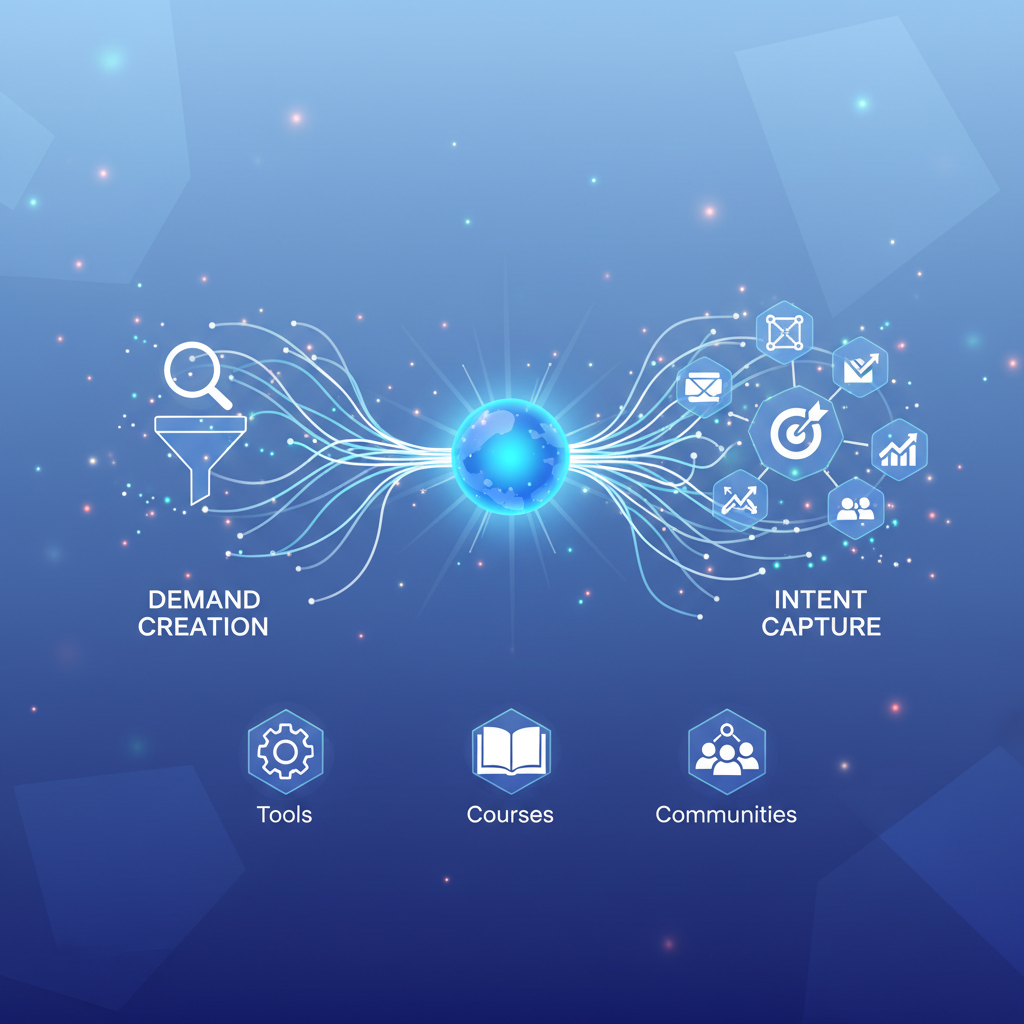
Are you tired of pouring resources into marketing campaigns that feel like shouting into the void? Do you find yourself constantly chasing leads, only to see your conversion rates stagnate? Here's what most guides get wrong: In today's market, traditional demand creation is increasingly expensive and less effective. As the Reddit post Marketing strategy shift: From creating demand to capturing intent pointed out, we need to shift from creating demand to capturing intent.
This guide offers a comprehensive look at the resources you need to make that shift. We'll explore the best tools, courses, and communities to help you identify, understand, and capitalize on the existing buying intent of your target audience. Let's get started.
Free Resources to Get You Started
Before you invest in paid tools, it's always wise to familiarize yourself with the fundamentals and explore free resources. Here are some of the best free options for understanding and capturing intent:
Google Trends: This is a powerful tool for identifying trending topics and search queries related to your industry. By understanding what people are searching for, you can tailor your content and marketing efforts to meet their needs.
- How to Use: Enter relevant keywords related to your niche. Google Trends will show you the search volume, geographical distribution, and related queries. This information can inform your content strategy and help you target the right keywords.
AnswerThePublic: This tool visualizes the questions people are asking online related to your keywords. It's a goldmine for content ideas, as it directly reflects the intent and pain points of your audience.
- How to Use: Input your primary keywords and AnswerThePublic will generate a range of questions, prepositions, and comparisons that people are searching for. This can help you create content that directly addresses those questions.
Google Keyword Planner: While primarily a paid tool, the free version of Google Keyword Planner offers valuable insights into keyword search volume and competition.
- How to Use: Use it to research keywords, analyze their search volume, and estimate the cost of running ads. This can help you prioritize keywords and plan your content calendar.
Reddit (and other forums): Reddit is a treasure trove of information about what people are thinking, feeling, and searching for. By monitoring relevant subreddits, you can gain valuable insights into your target audience's needs and pain points.
- How to Use: Search for subreddits related to your industry or niche (e.g., r/marketing, r/ecommerce). Read the posts and comments to understand the questions, problems, and desires of your target audience. Engage in the conversations to establish yourself as an expert and build relationships.
Pro Tip: Pay close attention to the language your audience uses. This helps you tailor your content to resonate with them more effectively.
Your Competitors' Websites: Analyze what keywords and content your competitors are using. Identify what's working for them and where there are gaps in their strategy.
- How to Use: Use SEO tools like SEMrush or Ahrefs (even the free versions) to analyze your competitors' websites, including their keyword rankings, backlink profiles, and content strategies.
Paid Tools Worth the Investment
Once you've established a solid foundation with free resources, it's time to consider investing in paid tools. Here are some of the best tools for capturing intent and optimizing your marketing efforts:
SEMrush: An all-in-one SEO and marketing platform. It provides extensive keyword research, competitor analysis, website audit, and backlink analysis capabilities. It helps you identify high-intent keywords, understand your competitors' strategies, and optimize your website for search engines.
- Key Features: Keyword research, competitor analysis, site audit, backlink analysis, rank tracking, social media management.
- Pricing: Starts at $130/month.
Ahrefs: Similar to SEMrush, Ahrefs is another powerful SEO and marketing platform. It excels at backlink analysis, content research, and website audits.
- Key Features: Backlink analysis, content explorer, keyword research, site audit, rank tracking.
- Pricing: Starts at $99/month.
BuzzSumo: This tool is great for content research and identifying trending topics. It helps you find the most shared content in your niche and understand what resonates with your audience.
- Key Features: Content research, competitor analysis, influencer identification, social media monitoring.
- Pricing: Starts at $99/month.
SpyFu: SpyFu is a great tool for competitive analysis, particularly for paid advertising. You can use it to see your competitors' paid keywords, ad copy, and budget estimates.
- Key Features: Competitor keyword research, ad history, keyword research, SEO analysis.
- Pricing: Starts at $39/month.
CRO Benchmark: This tool helps you assess your website's conversion performance and identify areas for improvement. It benchmarks your website against industry standards and provides actionable insights and A/B testing ideas.
- Key Features: Conversion rate optimization audit, competitor benchmarking, A/B testing suggestions, website accessibility audit.
- Pricing: Contact for pricing.
Comparison Table: Paid Intent Capture Tools
| Feature | SEMrush | Ahrefs | BuzzSumo | SpyFu | CRO Benchmark |
|---|---|---|---|---|---|
| Keyword Research | Yes | Yes | Limited | Yes | No |
| Competitor Analysis | Yes | Yes | Yes | Yes | Yes (Benchmarking) |
| Backlink Analysis | Yes | Excellent | Limited | Limited | Limited |
| Content Research | Yes | Yes | Excellent | Limited | No |
| Pricing | Starts at $130/month | Starts at $99/month | Starts at $99/month | Starts at $39/month | Contact for pricing |
Learning Resources: Courses & Guides
Want to deepen your understanding of intent capture? These courses and guides can help:
Google Skillshop: Offers free courses on Google Ads, Analytics, and other marketing topics. It's a great place to get certified and learn the basics.
- Key Topics: Google Ads, Google Analytics, digital marketing fundamentals.
- Cost: Free.
SEMrush Academy: Provides free courses on SEO, content marketing, and other digital marketing topics. It's a great resource for learning the ins and outs of SEMrush.
- Key Topics: SEO, content marketing, PPC.
- Cost: Free.
Ahrefs Academy: Offers free courses on SEO and content marketing. It's a great resource for learning how to use Ahrefs and improve your website's search engine rankings.
- Key Topics: SEO, content marketing, link building.
- Cost: Free.
Udemy & Coursera: Offer a wide range of paid courses on digital marketing, including courses on SEO, content marketing, social media marketing, and PPC. These platforms give you a broader range of options.
- Key Topics: SEO, Content Marketing, Social Media Marketing, PPC.
- Cost: Varies.
Blogs and Industry Websites: Regularly check industry blogs and websites like Search Engine Journal, MarketingProfs, and Moz for the latest news, trends, and best practices in intent capture and digital marketing.
- Key Topics: Industry news, best practices, case studies.
- Cost: Free.
Communities to Connect With
Learning is a journey and you don't have to do it alone. Join these communities to share your knowledge, ask questions, and network with other marketers:
Reddit: Reddit has numerous subreddits dedicated to marketing, SEO, content marketing, and other relevant topics. It's a great place to ask questions, share your knowledge, and stay up-to-date on the latest trends.
- Key Subreddits: r/marketing, r/SEO, r/content_marketing, r/PPC, r/socialmediamarketing, r/ecommerce, r/digital_marketing.
Facebook Groups: Many Facebook groups are dedicated to digital marketing, SEO, content marketing, and other relevant topics. It's a great place to connect with other marketers, ask questions, and share your knowledge.
LinkedIn Groups: Join groups related to digital marketing, SEO, content marketing, and other relevant topics. This is a good place to network with professionals and share your expertise.
Industry Conferences and Meetups: Attend industry conferences and meetups to network with other marketers and learn from industry experts. These events provide opportunities to connect with people in person.
Tip: Actively participate in these communities. Answer questions, share your experiences, and offer helpful advice. This helps you build relationships and establish yourself as an expert.
Our Top Picks
Based on our research, here are our top picks for intent capture resources:
Best Free Tool: Google Trends. It's an invaluable tool for understanding what people are searching for and identifying trending topics.
Best Paid Tool (Overall): SEMrush. It offers a comprehensive suite of tools for keyword research, competitor analysis, and website optimization.
Best for Content Research: BuzzSumo. It's excellent for discovering trending content and understanding what resonates with your audience.
Best Learning Resource: Google Skillshop. It's a great place to get certified and learn the fundamentals of digital marketing.
Best Community: Reddit (specifically, the subreddits mentioned above). A vast resource for all things digital marketing.
Ultimately, Capturing Intent is the Future
Shifting your marketing strategy from creating demand to capturing intent is no longer a choice; it's a necessity. By using the resources outlined in this guide – from free tools like Google Trends to paid platforms like SEMrush, and community forums like Reddit – you can gain a deeper understanding of your target audience's needs and preferences and optimize your marketing efforts to meet their needs. This approach not only helps you improve your conversion rates but also builds stronger relationships with your customers. Embrace the shift, and you'll be well on your way to marketing success in 2024 and beyond.
Actionable Takeaways:
Start with Research: Use Google Trends and AnswerThePublic to identify trending topics and questions related to your niche.
Analyze Your Competitors: Use tools like SEMrush and Ahrefs to understand your competitors' strategies and identify opportunities.
Create High-Quality Content: Develop content that directly addresses the needs and pain points of your target audience.
Optimize for Search Engines: Implement SEO best practices to improve your website's search engine rankings.
Engage with Your Audience: Participate in online communities and build relationships with your target audience.