
Healthy Eating: Your Top Questions Answered for Delicious & Nutritious Meals
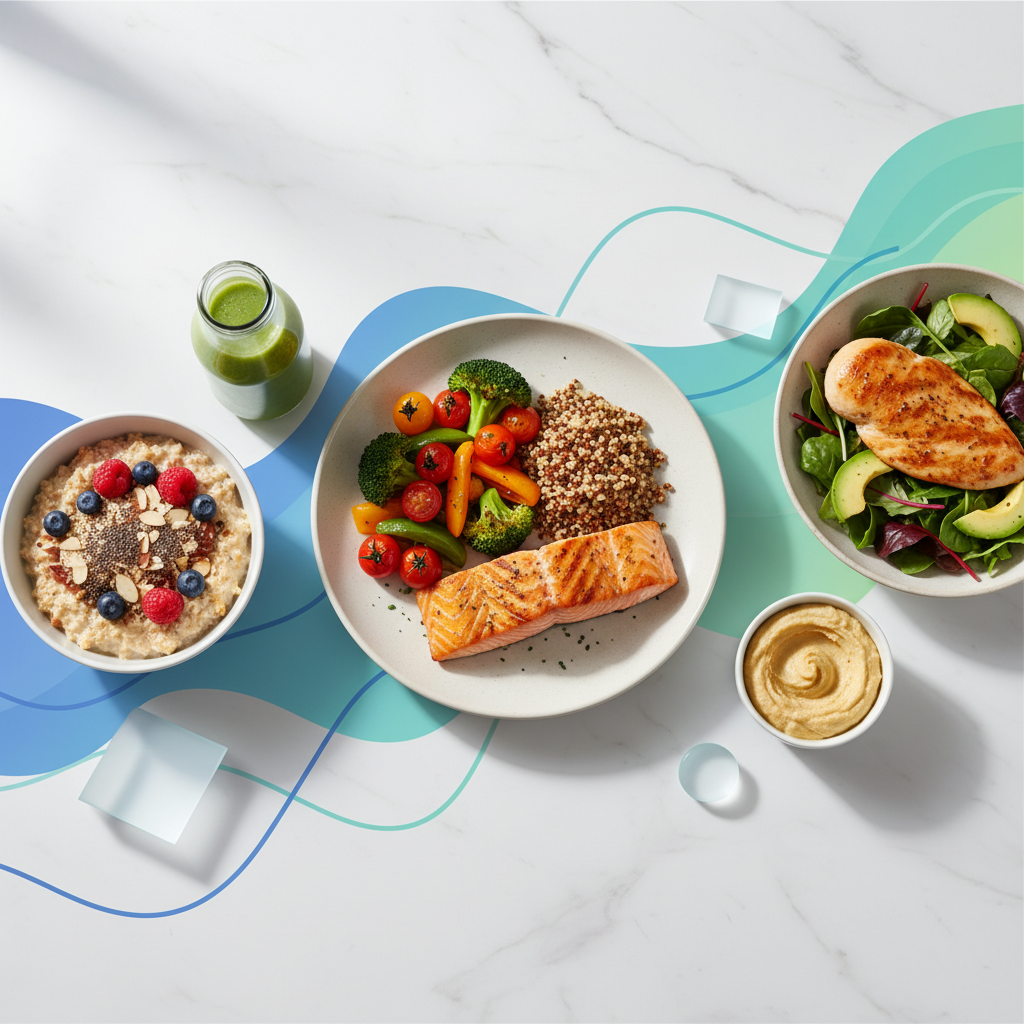
Are you looking for delicious and nutritious meals? Sound familiar? In a world filled with quick fixes and processed foods, the desire for healthy eating has never been stronger. But where do you start? What does 'healthy' even mean anymore? This guide answers your top questions about healthy recipes, providing actionable advice and delicious inspiration.
Most Common Questions About Healthy Recipes
Before diving into specific recipes and tips, let's address some of the most frequently asked questions about healthy eating. Understanding these fundamentals is crucial for building a sustainable and enjoyable approach to nutrition.
What does 'healthy eating' really mean?
Healthy eating involves consuming a balanced diet that gives your body the nutrients it needs to function optimally. This includes a variety of fruits, vegetables, lean proteins, whole grains, and healthy fats. It's about nourishing your body with what it needs and minimizing processed foods, added sugars, and unhealthy fats. It's not about deprivation; it's about making informed choices that support your overall well-being.
Is it expensive to eat healthy?
This is a common misconception. While some specialty health foods can be pricey, healthy eating doesn't have to break the bank. Buying seasonal produce, planning your meals, cooking at home more often, and utilizing affordable protein sources like beans and lentils can significantly reduce your grocery bill. In fact, eating a diet rich in fruits and vegetables is associated with a lower risk of chronic diseases, potentially saving you money on healthcare costs in the long run.
How much time does healthy cooking take?
Healthy cooking doesn't have to be time-consuming. With some planning and smart cooking techniques, you can prepare nutritious meals in minutes. Meal prepping on the weekends, utilizing your slow cooker or Instant Pot, and focusing on simple recipes with minimal ingredients can save you valuable time during the week. Many quick and easy recipes are available, perfect for busy schedules.
Can I still eat my favorite foods and be healthy?
Absolutely! Healthy eating isn't about eliminating all your favorite foods. It's about balance and moderation. You can still enjoy your treats, but focus on portion control and making healthier choices most of the time. For example, you can swap sugary sodas for sparkling water with a splash of juice or choose whole-wheat pasta over white pasta.
Q1 Deep Dive: Quick & Easy Breakfast Ideas
Breakfast truly is the most important meal of the day, but it's often the most neglected. A nutritious breakfast fuels your body and brain, setting the stage for a productive and energetic day. Here are some quick and easy healthy breakfast ideas to get you started:
Overnight Oats
Overnight oats are a game-changer for busy mornings. Simply combine rolled oats, milk (dairy or non-dairy), chia seeds, and your favorite toppings in a jar or container the night before. In the morning, you have a ready-to-eat breakfast packed with fiber and protein. Add berries, nuts, or a drizzle of honey for extra flavor and nutrients.
Smoothie Bowls
Smoothie bowls are a delicious and customizable way to pack in nutrients. Blend fruits, vegetables, and a liquid base (like almond milk or coconut water) until smooth. Pour the mixture into a bowl and top with your favorite toppings, such as granola, nuts, seeds, and fresh fruit. This is a great way to sneak in extra greens and get a satisfying meal.
Scrambled Eggs with Veggies
Eggs are a versatile and protein-packed breakfast option. Scramble them with your favorite vegetables, such as spinach, peppers, or onions. You can add cheese for extra flavor. Eggs provide sustained energy and keep you feeling full for hours.
Greek Yogurt with Berries and Granola
Greek yogurt is high in protein and probiotics, making it an excellent choice for gut health. Combine it with berries (packed with antioxidants) and granola for a satisfying and flavorful breakfast. This option is quick to prepare and requires no cooking.
Whole-Wheat Toast with Avocado
Avocado toast is a simple yet satisfying breakfast. Toast whole-wheat bread and top it with mashed avocado, a sprinkle of salt, and pepper. You can add an egg for extra protein or a drizzle of olive oil for healthy fats. This option is filling and provides essential nutrients.
Q2 Deep Dive: Delicious & Healthy Dinner Recipes
Dinner is often the meal where healthy eating can feel most challenging, but it doesn't have to be. With a little planning and the right recipes, you can enjoy delicious and nutritious dinners that nourish your body and satisfy your taste buds. Here are some healthy dinner recipes to try:
Baked Salmon with Roasted Vegetables
Salmon is rich in omega-3 fatty acids, essential for brain health and heart health. Bake salmon fillets with a side of roasted vegetables like broccoli, carrots, and sweet potatoes. Season with herbs and spices for extra flavor. This meal is simple to prepare and packed with nutrients.
Chicken Stir-Fry with Brown Rice
Stir-fries are a quick and versatile way to incorporate vegetables and lean protein into your diet. Stir-fry chicken breast or tofu with your favorite vegetables (broccoli, bell peppers, snow peas) and a flavorful sauce. Serve over brown rice for a complete and balanced meal.
Lentil Soup
Lentils are a powerhouse of nutrients, providing fiber, protein, and iron. Make a hearty lentil soup with vegetables like carrots, celery, and onions. This soup is filling, affordable, and easy to make in large batches, perfect for meal prepping.
Turkey Meatloaf with a Side Salad
Turkey meatloaf is a healthier alternative to traditional meatloaf. Use lean ground turkey and add vegetables like onions and carrots. Serve with a side salad for a balanced and nutritious meal. This is a comforting and satisfying dinner option.
Vegetarian Chili
Vegetarian chili is a flavorful and filling meal that's packed with nutrients. Combine beans, vegetables, and spices in a slow cooker or pot. Serve with a dollop of Greek yogurt or a sprinkle of cheese for extra flavor. This is a hearty and satisfying meal that's perfect for a chilly evening.
Q3 Deep Dive: The Benefits of Meal Planning for Healthy Eating
Meal planning is the cornerstone of successful healthy eating. It takes the guesswork out of mealtimes, helps you make healthier choices, and saves you time and money. Here’s why meal planning is so beneficial:
Reduces Decision Fatigue
Making decisions about what to eat every day can be exhausting. Meal planning eliminates this decision fatigue by pre-determining your meals for the week. This saves mental energy and makes it easier to stick to your healthy eating goals.
Promotes Healthier Choices
When you plan your meals, you have more control over the ingredients and portion sizes. You can choose whole, unprocessed foods and avoid impulsive decisions that often lead to unhealthy choices.
Saves Time and Money
Meal planning helps you streamline your grocery shopping and cooking process. You can create a shopping list based on your meal plan, reducing the chances of impulse buys and food waste. Cooking in batches can also save you time during the week.
Reduces Food Waste
Planning your meals allows you to use up ingredients efficiently, minimizing food waste. You can incorporate leftovers into different meals and ensure that you're using all the food you purchase.
Improves Nutritional Intake
Meal planning allows you to focus on creating balanced meals with a variety of nutrients. You can ensure that you're getting enough fruits, vegetables, lean protein, and whole grains.
Questions We Get Asked About Healthy Recipes
Here are some additional questions people frequently ask about healthy recipes:
What are some good sources of protein?
Good sources of protein include lean meats (chicken, turkey, fish), beans, lentils, tofu, Greek yogurt, eggs, and nuts. Aim to include protein in every meal to keep you feeling full and satisfied.
How can I reduce added sugar in my diet?
Reduce added sugar by limiting sugary drinks, processed foods, and desserts. Instead, opt for natural sweeteners like fruit and honey in moderation. Read food labels carefully and choose products with low or no added sugar.
How much water should I drink each day?
Aim to drink at least eight glasses of water per day. Staying hydrated is essential for overall health and supports various bodily functions. Carry a water bottle with you and sip on it throughout the day.
What are some healthy snack options?
Healthy snack options include fruits, vegetables with hummus, nuts, seeds, Greek yogurt, and hard-boiled eggs. Choose snacks that are packed with nutrients and keep you feeling full between meals.
How can I make healthy eating sustainable?
Make healthy eating sustainable by focusing on progress, not perfection. Don't be too hard on yourself if you slip up. Plan your meals, experiment with new recipes, find healthy foods you enjoy, and make it a lifestyle, not a diet.
Final Tips for Success
- Plan your meals weekly: This is the foundation of healthy eating.
- Cook at home more often: This gives you control over ingredients and portion sizes.
- Focus on whole, unprocessed foods: Prioritize fruits, vegetables, lean protein, and whole grains.
- Read food labels carefully: Pay attention to serving sizes, ingredients, and added sugars.
- Don't be afraid to experiment: Try new recipes and find healthy foods you enjoy.
- Stay hydrated: Drink plenty of water throughout the day.
- Practice mindful eating: Pay attention to your body's hunger and fullness cues.
- Be patient and persistent: Healthy eating is a journey, not a destination.
By following these tips and incorporating the recipes and advice provided in this guide, you can embark on a journey to delicious and nutritious meals. Remember, healthy eating isn't about restriction; it's about making informed choices that support your well-being.