
How to Fix Low Organic Traffic: Causes, Solutions, and Prevention
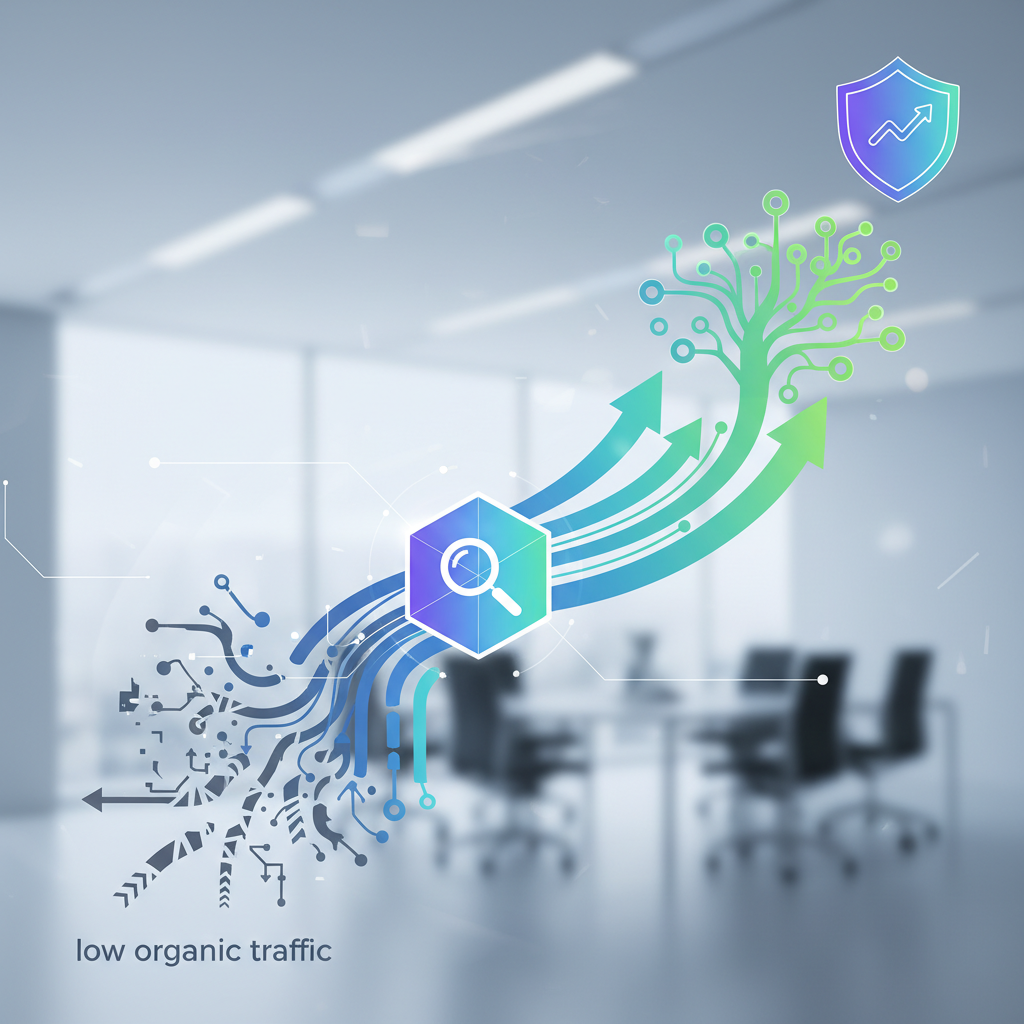
How to Fix Low Organic Traffic: Causes, Solutions, and Prevention
Is your website's organic traffic stuck in a rut? Are you pouring effort into SEO, but seeing minimal results? Sound familiar? You're not alone. Many website owners struggle with low organic traffic, which can significantly impact their online visibility, lead generation, and overall business success. This guide dives into the root causes of low organic traffic, provides actionable solutions, and offers preventative measures to help you climb the search engine rankings and attract more qualified visitors.
The Problem: Low Organic Traffic
Low organic traffic is a frustrating reality for many website owners. It means fewer people are finding your website through search engines like Google, Bing, and others. This can lead to decreased brand awareness, fewer leads, and ultimately, a negative impact on your bottom line. The lack of organic traffic can be caused by various factors, from technical SEO issues to content gaps. It's a complex problem, but one that can be effectively addressed with a strategic approach.
Why This Happens: Common Causes of Low Organic Traffic
Several factors can contribute to low organic traffic. Understanding these causes is the first step toward finding solutions. Here are some of the most common culprits:
- Poor Keyword Targeting: Targeting the wrong keywords or not optimizing your content for relevant search terms can lead to low visibility.
- Technical SEO Issues: Problems like slow website speed, broken links, and mobile-friendliness issues can hinder search engine crawling and indexing.
- Thin or Low-Quality Content: Content that is not informative, engaging, or unique may not rank well in search results.
- Lack of Backlinks: Backlinks from authoritative websites are a crucial ranking factor, and a lack of them can significantly impact your organic traffic.
- Website Structure and Navigation: A poorly structured website with confusing navigation can make it difficult for search engines to crawl and index your content.
- Algorithm Updates: Search engine algorithms are constantly evolving. Failing to adapt to these changes can negatively affect your rankings.
- Competition: The online landscape is competitive. If your competitors are outranking you, your organic traffic will suffer.
Quick Fix: Immediate Actions to Take
If you're experiencing a sudden drop in organic traffic, here are some immediate steps you can take to mitigate the damage:
- Check for Manual Actions: In Google Search Console, check for any manual actions against your website. These can indicate penalties for violating Google's guidelines.
- Review Recent Content: Assess any new content you've published recently. Has it been properly optimized? Is it original and valuable?
- Analyze Your Backlink Profile: Identify any suspicious or low-quality backlinks that could be harming your rankings. Consider disavowing them.
- Monitor Your Website's Speed: Use tools like Google PageSpeed Insights to identify and address any speed-related issues.
- Update Your Sitemap: Resubmit your sitemap to search engines to ensure they can crawl your latest content.
Detailed Solutions: Strategies to Boost Organic Traffic
Addressing the root causes of low organic traffic requires a multifaceted approach. Here are some detailed solutions to implement:
1. Comprehensive Keyword Research and Targeting
- Identify Relevant Keywords: Use keyword research tools like Ahrefs, SEMrush, or Google Keyword Planner to find keywords with high search volume and low competition. Focus on long-tail keywords, which are more specific and often easier to rank for.
- Analyze Competitor Keywords: Identify the keywords your competitors are ranking for and incorporate them into your content strategy.
- Optimize On-Page Elements: Include your target keywords in your page titles, meta descriptions, header tags (H1, H2, etc.), image alt text, and throughout your content naturally.
- Create Keyword-Rich Content: Develop high-quality, informative content that addresses the search intent of your target keywords. Regularly update and refresh your content to keep it relevant.
2. Technical SEO Optimization
- Improve Website Speed: Optimize your website's loading speed by compressing images, enabling browser caching, and minimizing code.
- Ensure Mobile-Friendliness: Make sure your website is responsive and provides a seamless experience on all devices.
- Fix Broken Links: Use tools like Screaming Frog to identify and fix broken links on your website.
- Implement Schema Markup: Use schema markup to provide search engines with more context about your content, which can improve your chances of rich snippets.
- Create a Clear Sitemap: Submit a sitemap to search engines to help them crawl and index your website effectively.
- Ensure a Secure Website (HTTPS): Implement SSL certificates to secure your website and improve user trust.
3. Content Marketing and Creation
- Develop a Content Strategy: Create a content calendar and plan to consistently publish high-quality content that aligns with your target audience's interests and search intent.
- Focus on User Experience: Ensure your content is well-written, easy to read, and provides value to your readers. Use headings, subheadings, bullet points, and visuals to improve readability.
- Diversify Your Content Formats: Experiment with different content formats, such as blog posts, videos, infographics, and podcasts, to engage a wider audience.
- Optimize for Featured Snippets: Answer questions directly and concisely to increase your chances of appearing in featured snippets.
- Regularly Update and Refresh Content: Keep your content fresh and relevant by updating older posts with new information and insights.
4. Link Building and Backlink Acquisition
- Create High-Quality Content: Develop content that is valuable and shareable to attract natural backlinks.
- Guest Blogging: Write guest posts for other websites in your niche to gain exposure and earn backlinks.
- Broken Link Building: Find broken links on other websites and offer your content as a replacement.
- Outreach: Reach out to other website owners and bloggers to promote your content and build relationships.
- Monitor Your Backlink Profile: Regularly monitor your backlink profile using tools like Ahrefs or Moz to identify and disavow any low-quality or spammy links.
5. Website Structure and Navigation
- Create a Logical Site Structure: Organize your website content in a clear and logical hierarchy to make it easy for both users and search engines to navigate.
- Use Internal Linking: Link to relevant pages within your website to improve crawlability and distribute link equity.
- Optimize Navigation Menus: Ensure your navigation menus are clear, concise, and easy to use.
- Improve User Experience: Make your website user-friendly and intuitive, so visitors can easily find the information they need.
6. Adapt to Algorithm Updates
- Stay Informed: Follow industry news and blogs to stay up-to-date on the latest search engine algorithm updates.
- Analyze Your Data: Monitor your website's traffic and rankings to identify any changes that may be related to algorithm updates.
- Adapt Your Strategy: Be prepared to adjust your SEO strategy based on algorithm updates. This may involve updating your content, optimizing your website, or building new backlinks.
Tools That Help: Essential SEO Resources
Several SEO tools can help you diagnose and fix low organic traffic issues. Here's a look at some of the most popular and effective options:
- Ahrefs: A comprehensive SEO tool that offers keyword research, backlink analysis, site audits, and competitor analysis. Ahrefs is a powerful tool for identifying SEO opportunities and tracking your progress.
- SEMrush: Another all-in-one SEO platform with features for keyword research, competitor analysis, site audits, and rank tracking. SEMrush is known for its extensive database and user-friendly interface.
- Google Search Console: A free tool from Google that provides valuable insights into your website's performance in search results. Use it to monitor your website's traffic, identify technical issues, and submit your sitemap.
- Google Analytics: A free web analytics service that tracks and reports website traffic. It provides detailed information about your visitors, their behavior, and the sources of your traffic.
- Moz Pro: A suite of SEO tools that includes keyword research, rank tracking, site audits, and link analysis. Moz Pro is a popular choice for both beginners and experienced SEO professionals.
- Screaming Frog SEO Spider: A website crawler that helps you identify technical SEO issues, such as broken links, duplicate content, and missing meta tags. Screaming Frog is an invaluable tool for site audits.
Pro Tip: Regularly use these tools to monitor your website's performance, identify areas for improvement, and track your progress over time.
Prevention Tips: Long-Term Strategies to Maintain Organic Traffic
Preventing low organic traffic requires a proactive approach. Here are some long-term strategies to maintain and grow your organic traffic:
- Regular Content Creation: Consistently publish high-quality content to attract and engage your target audience.
- Stay Updated on SEO Best Practices: Keep abreast of the latest SEO trends and best practices to ensure your website is optimized for search engines.
- Monitor Your Website's Performance: Regularly track your website's traffic, rankings, and other key metrics to identify any potential issues early on.
- Build a Strong Online Presence: Engage with your audience on social media and other platforms to build brand awareness and drive traffic to your website.
- Prioritize User Experience: Create a website that is user-friendly, easy to navigate, and provides a positive experience for visitors.
- Focus on Mobile Optimization: Ensure your website is fully optimized for mobile devices, as mobile search is becoming increasingly important.
- Build Relationships: Connect with other website owners and bloggers in your niche to build relationships and earn backlinks.
FAQs: Addressing Common Questions
Q: How long does it take to see results from SEO?
A: SEO is a long-term strategy. While some improvements may be visible within a few weeks, it typically takes several months to see significant results. The timeframe depends on various factors, including the competitiveness of your niche, the quality of your content, and the effectiveness of your SEO efforts.
Q: Is it worth investing in SEO?
A: Yes, SEO is a valuable investment. Organic traffic is a sustainable source of leads and sales. SEO can provide a high return on investment (ROI) over time, as it helps you reach a wider audience and build brand awareness.
Q: What are the most important SEO factors?
A: Some of the most important SEO factors include high-quality content, relevant keywords, backlinks from authoritative websites, website speed, mobile-friendliness, and a user-friendly website structure.
Q: Should I use paid advertising alongside SEO?
A: Yes, paid advertising, such as Google Ads, can complement your SEO efforts. While SEO focuses on long-term organic growth, paid advertising can provide immediate results and help you reach a wider audience quickly. Combining SEO and paid advertising can create a powerful marketing strategy.
Q: How often should I update my content?
A: Regularly updating your content is crucial for maintaining its relevance and improving your search engine rankings. Consider updating your content at least once every six months, or more frequently if the information is time-sensitive or if your competitors are updating their content.
Conclusion: Driving Sustainable Organic Growth
Ultimately, overcoming low organic traffic requires a strategic and consistent approach. By understanding the causes, implementing effective solutions, and taking preventative measures, you can improve your website's visibility, attract more qualified visitors, and achieve sustainable organic growth. Remember to focus on creating high-quality content, optimizing your website for search engines, and building a strong online presence. With dedication and perseverance, you can transform low organic traffic into a powerful engine for business success.
Actionable Takeaways:
- Conduct thorough keyword research to identify relevant search terms.
- Prioritize technical SEO improvements, such as website speed and mobile-friendliness.
- Develop a content strategy that focuses on creating high-quality, informative, and engaging content.
- Build a strong backlink profile by earning links from authoritative websites.
- Regularly monitor your website's performance and adapt your SEO strategy as needed.