
How to Fix High Cart Abandonment: Causes, Solutions & Prevention
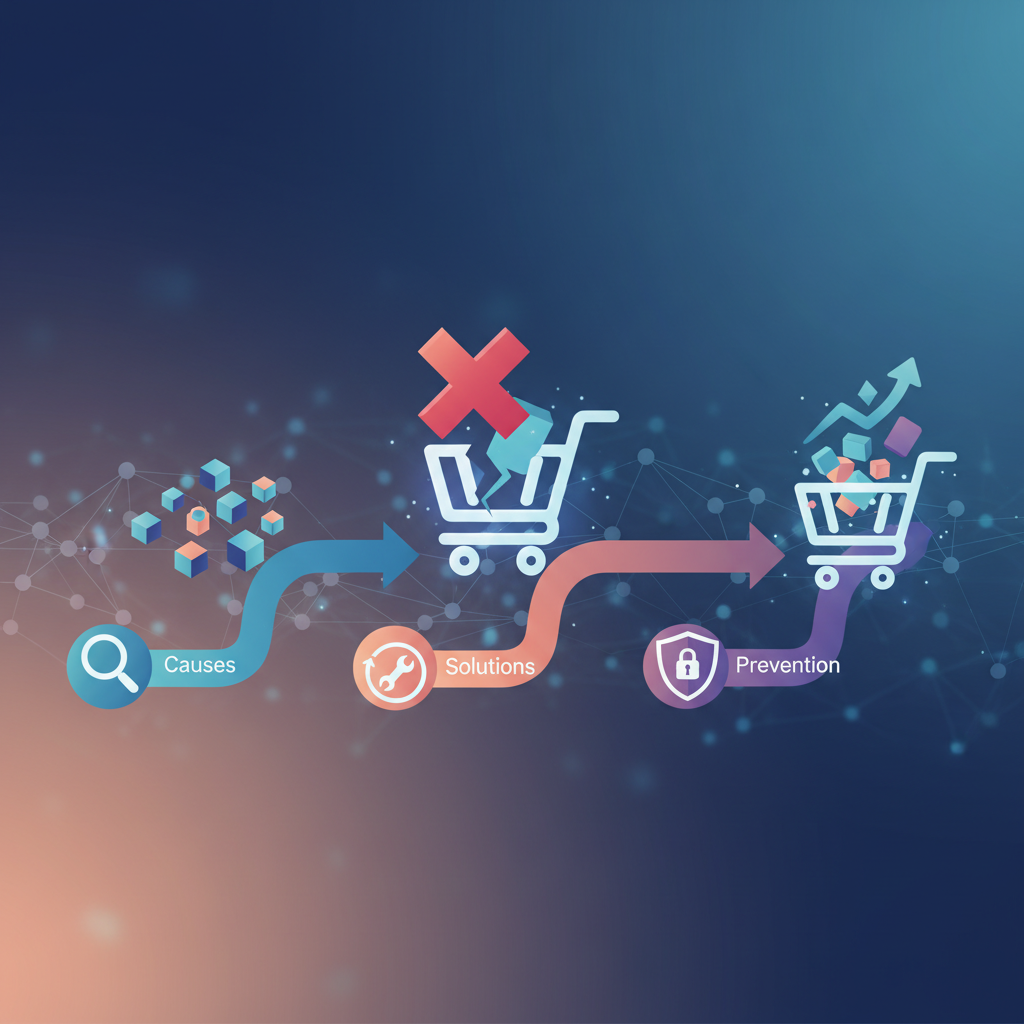
How to Fix High Cart Abandonment: Causes, Solutions & Prevention
Is your online store bleeding potential sales? Are customers filling their carts, only to vanish before completing their purchase? You're not alone. Cart abandonment is a pervasive problem in the e-commerce world, and understanding why it happens is the first step toward fixing it. This guide delves into the root causes of cart abandonment, providing actionable solutions and preventative measures to boost your conversion rates.
The Problem: Empty Carts and Lost Revenue
Imagine a bustling physical store. Customers browse, select items, and head to the checkout. But then, a significant percentage of them – for various reasons – simply leave their carts and walk out. That's the reality of cart abandonment in the digital world. It's a silent killer of revenue, and it plagues businesses of all sizes.
According to the Baymard Institute, the average cart abandonment rate across all industries is approximately 70% Baymard Institute. This means that for every 100 people who start the checkout process, only 30 actually complete their purchase. That's a huge chunk of potential revenue slipping away.
Why This Happens: Unveiling the Root Causes
Several factors contribute to cart abandonment. Understanding these reasons is crucial to implementing effective solutions. Here are some of the most common culprits:
1. Unexpected Costs
Hidden fees are a major turnoff for online shoppers. When extra costs like shipping, taxes, or other fees are revealed late in the checkout process, it can lead to immediate abandonment. Customers feel misled and are more likely to seek out retailers with transparent pricing.
2. Complicated Checkout Process
A clunky, lengthy, or confusing checkout process is another significant barrier. Customers want a smooth and efficient experience. Long forms, excessive steps, and requiring account creation before purchase can deter them.
3. Lack of Trust
Security concerns and a general lack of trust in the website or payment process can cause shoppers to abandon their carts. Customers need to feel confident that their personal and financial information is safe.
4. Forced Account Creation
Requiring users to create an account before they can purchase is a significant friction point for many customers. They might not be ready to commit to a long-term relationship, and the hassle of creating a password can be enough to make them leave.
5. Limited Payment Options
Offering only a few payment options can exclude potential customers. If a customer's preferred payment method isn't available, they'll likely go elsewhere.
6. High Shipping Costs
High shipping costs, especially when not clearly communicated upfront, can be a deal-breaker. Even if the product price is competitive, expensive shipping can make the total cost too high.
7. Website Errors and Technical Issues
Technical glitches, slow loading times, and website errors can frustrate customers and cause them to abandon their carts. A seamless user experience is crucial.
8. Comparison Shopping
Sometimes, customers are simply browsing and comparing prices. They might add items to their cart to see the total cost, including shipping and taxes, before deciding whether to purchase.
9. Distractions
Life happens. Customers can get distracted by phone calls, emails, or other tasks. They might intend to come back later but forget about their cart.
10. Poor Return Policies
A lack of a clear, customer-friendly return policy can make customers hesitant to commit to a purchase. They want to know they can easily return an item if it doesn't meet their expectations.
11. Concerns about Data Security
Customers are increasingly concerned about the security of their personal and financial information online. If a website doesn't clearly display security measures, or if the checkout process feels suspicious, they are very likely to abandon their cart.
Quick Fix: Streamlining Your Checkout
Before diving into more complex solutions, there are some quick wins you can implement immediately:
- Guest Checkout: Allow customers to checkout without creating an account.
- Clear Pricing: Display all costs, including shipping and taxes, upfront.
- Mobile Optimization: Ensure your checkout process is mobile-friendly.
- Trust Signals: Display security badges and customer testimonials.
Detailed Solutions: Taking Action
Addressing cart abandonment requires a multi-faceted approach. Here are some detailed solutions to tackle the problem:
1. Optimize Your Checkout Process
- Reduce Steps: Simplify the checkout process as much as possible. Aim for a one-page or two-page checkout.
- Progress Indicator: Show customers how far they are in the checkout process.
- Autofill: Use autofill to pre-populate fields with customer information.
- Clear Navigation: Make it easy for customers to move back and forth between steps.
2. Improve Transparency
- Show Costs Upfront: Clearly display shipping costs, taxes, and any other fees before the customer adds an item to their cart.
- Shipping Information: Provide detailed shipping options, including estimated delivery times and costs.
- No Surprises: Avoid any hidden fees or unexpected charges.
3. Build Trust and Security
- SSL Certificate: Ensure your website has an SSL certificate and displays the padlock icon in the address bar.
- Security Badges: Display security badges from trusted providers like Norton or McAfee.
- Customer Reviews: Showcase positive customer reviews and testimonials.
- Secure Payment Gateway: Use a reputable payment gateway like Stripe or PayPal.
4. Offer Multiple Payment Options
- Variety of Methods: Offer a wide range of payment options, including credit cards, debit cards, digital wallets (e.g., Apple Pay, Google Pay), and local payment methods.
- Popular Options: Ensure you offer the payment methods that are most popular in your target market.
5. Address High Shipping Costs
- Free Shipping: Offer free shipping whenever possible, even if it's only for orders above a certain value.
- Competitive Rates: Negotiate competitive shipping rates with your carriers.
- Flat Rate: Consider offering a flat shipping rate for all orders.
6. Enhance Website Performance
- Fast Loading Times: Optimize your website for fast loading times. Use image compression, caching, and a content delivery network (CDN).
- Mobile Responsiveness: Ensure your website is fully responsive and works well on all devices.
- Error-Free Experience: Test your website regularly to identify and fix any technical errors.
7. Implement a Clear Return Policy
- Easy Returns: Offer a clear and customer-friendly return policy.
- Free Returns: Consider offering free returns to reduce customer risk.
- Easy Process: Make the return process simple and straightforward.
8. Use Exit-Intent Popups
- Offer Incentives: Display an exit-intent popup as the customer is about to leave, offering a discount, free shipping, or other incentives to encourage them to complete their purchase.
- Relevant Messaging: Tailor the popup message to the customer's specific behavior.
9. Retargeting Ads
- Remind Customers: Use retargeting ads to show customers the products they left in their cart on other websites or social media platforms.
- Personalized Ads: Customize the ads to remind them of the specific items they were interested in.
10. Email Marketing
- Abandoned Cart Emails: Send automated emails to customers who abandoned their carts, reminding them of their items and offering incentives to complete the purchase.
- Multiple Emails: Send a series of emails, spaced out over a few days, to maximize your chances of converting the customer.
Tools That Help: Leveling Up Your Conversion Game
Several tools can help you diagnose and fix cart abandonment issues:
- Google Analytics: Provides valuable insights into user behavior, including where customers are dropping off in the checkout process.
- Hotjar: Allows you to record user sessions and create heatmaps to understand how customers interact with your website.
- Optimizely/VWO: A/B testing tools that allow you to test different checkout flows, messaging, and design elements.
- Klaviyo/Omnisend: Email marketing platforms with abandoned cart email automation features.
- Shopify/BigCommerce: E-commerce platforms that offer built-in abandoned cart recovery features and integrations with other tools.
Prevention Tips: Staying Ahead of the Curve
Preventing cart abandonment is an ongoing process. Here are some tips to keep in mind:
- Regular Audits: Regularly review your checkout process, pricing, and shipping costs.
- Customer Feedback: Collect customer feedback through surveys, reviews, and social media.
- A/B Testing: Continuously test different elements of your checkout process to optimize for conversions.
- Stay Updated: Keep up-to-date with the latest e-commerce trends and best practices.
- Monitor Analytics: Track your cart abandonment rate and other key metrics to identify areas for improvement.
Pro Tip: Proactively communicate with your customers. Let them know about any potential delays in shipping or any other issues that might affect their purchase. Transparency builds trust.
FAQs: Addressing Common Concerns
What is a good cart abandonment rate?
While the average is around 70%, a good cart abandonment rate is generally considered to be below 60%. However, this can vary depending on your industry and target market.
What are the best abandoned cart email subject lines?
Subject lines that create urgency or offer incentives tend to perform well. Examples include: "Don't miss out! Your cart is waiting," "Still thinking about it? Get free shipping," or "Your cart is about to expire!"
How can I reduce cart abandonment on mobile?
Mobile optimization is crucial. Ensure your website is responsive, your checkout process is streamlined, and your payment options are mobile-friendly. Consider using mobile-specific payment methods like Apple Pay or Google Pay.
What are some common mistakes that lead to cart abandonment?
Common mistakes include hidden costs, a complicated checkout process, lack of trust signals, and poor website performance.
How important is free shipping in reducing cart abandonment?
Free shipping is a powerful incentive. Offering free shipping, even if it's only for orders above a certain threshold, can significantly reduce cart abandonment.
Conclusion: Turning Abandoned Carts into Completed Purchases
Cart abandonment is a complex issue, but it's one that can be successfully addressed with the right strategies. By understanding the causes, implementing effective solutions, and continuously monitoring your performance, you can significantly reduce your cart abandonment rate and increase your revenue. Remember to prioritize transparency, build trust, and provide a seamless shopping experience for your customers. By taking these steps, you can turn those empty carts into completed purchases and watch your e-commerce business thrive.
Actionable Takeaways:
- Audit Your Checkout: Thoroughly review your checkout process, identifying any potential friction points.
- Prioritize Transparency: Be upfront about all costs, including shipping and taxes.
- Build Trust: Display security badges, customer reviews, and a clear return policy.
- Optimize for Mobile: Ensure your website and checkout process are fully mobile-friendly.
- Implement Abandoned Cart Emails: Set up automated emails to recover abandoned carts.