
Your Facebook Ads Conversion Optimization Roadmap: From Leads to Customers
Your Facebook Ads Conversion Optimization Roadmap: From Leads to Customers
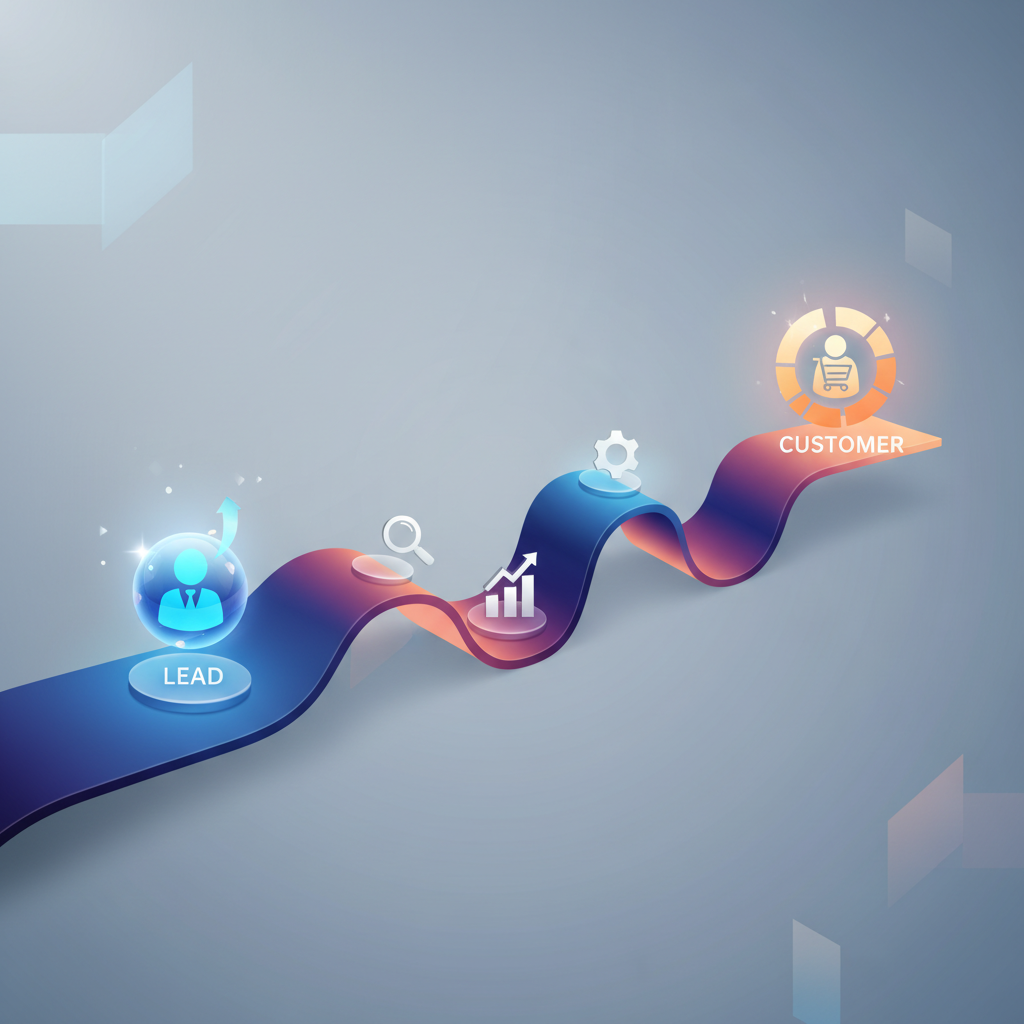
Struggling to turn those Facebook ad leads into paying customers? You're not alone. Many businesses face the frustrating reality of high lead volume but low conversion rates. This guide provides a clear roadmap to help you optimize your Facebook Ads and transform those leads into loyal customers. Sound familiar?
Where You're Starting: The Problem of Leads Without Conversions
The core issue is a disconnect between lead generation and conversion. You're successfully attracting interest, but something is preventing those interested parties from becoming customers. This often stems from a combination of factors, including:
- Poor targeting: Reaching the wrong audience, or not segmenting audiences effectively.
- Ineffective ad copy and creative: Messaging that doesn't resonate with your target audience.
- A broken or poorly optimized landing page or sales funnel: A confusing or unconvincing path to purchase.
- Lack of follow-up: Failing to nurture leads after initial contact.
According to WordStream, the average conversion rate for Facebook Ads across all industries is around 9.21%. The key is to understand where your specific campaigns fall short.
Phase 1: Foundation - Setting Up for Success
This phase focuses on building a strong base for your Facebook Ads campaigns. This includes audience research, clear objectives, and setting up the technical foundation.
1. Define Your Ideal Customer Profile (ICP)
Before you run a single ad, you need a crystal-clear understanding of who you're trying to reach. What are their demographics, interests, behaviors, and pain points? This information will inform your targeting, ad copy, and landing page design.
- Demographics: Age, location, gender, income, education.
- Interests: Hobbies, passions, groups they follow on Facebook.
- Behaviors: Purchase history, device usage, travel habits.
- Pain Points: What problems are they trying to solve? What are their frustrations?
2. Set Specific and Measurable Objectives
What do you want to achieve with your Facebook Ads? Simply generating leads isn't enough. Your objectives should be SMART: Specific, Measurable, Achievable, Relevant, and Time-bound.
- Examples:
- "Increase website sales by 20% in the next quarter."
- "Generate 100 qualified leads per month."
- "Reduce cost per conversion by 15%."
3. Install the Facebook Pixel and Set Up Conversions
The Facebook Pixel is a piece of code that you place on your website. It allows you to track actions people take on your site after seeing your Facebook ads. This is crucial for:
- Tracking conversions: See which ads are driving sales, leads, and other valuable actions.
- Optimizing your ads: Facebook can optimize your campaigns to target people who are most likely to convert.
- Retargeting: Show ads to people who have already visited your website.
Tip: Make sure you set up custom conversions for key actions like purchases, lead form submissions, and contact form completions.
4. Structure Your Campaigns for Success
Organize your campaigns, ad sets, and ads logically. This makes it easier to manage, analyze, and optimize your campaigns. A common structure involves:
- Campaign: The overarching goal (e.g., Website Conversions).
- Ad Sets: Targeting specific audiences (e.g., Lookalike Audiences, Interest-Based Audiences).
- Ads: Different ad creatives and copy variations.
Phase 2: Building - Creating High-Converting Ads
This phase is all about crafting compelling ads that grab attention, resonate with your target audience, and drive conversions.
1. A/B Test Your Ad Creatives
Experiment with different ad formats, images, videos, and copy variations to see what performs best. This is where you find what resonates with your audience. For example, one company saw a 30% increase in click-through rates by switching from a static image to a short video showcasing their product in action.
- Ad Formats: Carousel, single image, video, collection ads.
- Images/Videos: High-quality visuals that capture attention. Use images/videos that feature your product or service in action.
- Ad Copy: Clear, concise, and benefit-driven messaging. Use strong calls to action.
2. Craft Compelling Ad Copy
Your ad copy is your first chance to make a strong impression. It needs to be persuasive, engaging, and relevant to your target audience. Consider these elements:
- Headline: Grab attention and highlight the key benefit.
- Description: Briefly explain the product/service and its value.
- Call to Action (CTA): Tell people what you want them to do (e.g., "Shop Now," "Learn More," "Sign Up").
- Targeting: Ensure your ad copy aligns with the interests and pain points of your target audience.
3. Target the Right Audience
Precise targeting is crucial for reaching the right people. Facebook offers various targeting options:
- Detailed Targeting: Interests, demographics, behaviors.
- Custom Audiences: Retarget website visitors, customers, and email lists.
- Lookalike Audiences: Find new people who are similar to your existing customers.
4. Implement a Strong Call to Action (CTA)
Don't be afraid to tell people what you want them to do! A clear CTA is essential for driving conversions.
Tip: Experiment with different CTAs to see which ones perform best. Examples include: "Shop Now," "Learn More," "Sign Up," "Get a Quote," "Download Now."
Phase 3: Optimizing - Refining for Maximum Conversions
This is an ongoing process of analyzing your results and making adjustments to improve performance. Continuous optimization is key to long-term success.
1. Monitor Key Metrics
Track the metrics that matter most to your business. This includes:
- Cost per Acquisition (CPA): The cost of acquiring a customer.
- Conversion Rate: The percentage of people who take the desired action (e.g., purchase, lead form submission).
- Click-Through Rate (CTR): The percentage of people who click on your ad.
- Return on Ad Spend (ROAS): The revenue generated for every dollar spent on ads.
- Quality Score: Facebook's assessment of your ad's relevance and quality.
2. Analyze Your Results Regularly
Don't just set it and forget it! Regularly review your campaign performance to identify trends, opportunities, and areas for improvement. Facebook Ads Manager provides detailed reporting and analytics.
3. A/B Test Everything Continuously
A/B testing is your best friend. Always be testing different variations of your ads, targeting, and landing pages to see what works best. Test one variable at a time to isolate the impact of each change.
Tip: Use the Facebook Ads Manager's built-in A/B testing tool to streamline the process.
4. Optimize Your Landing Pages
Your landing page is where conversions happen (or don't happen). Ensure your landing pages are:
- Relevant: Align the content with your ad copy.
- Clear: Easy to understand and navigate.
- Mobile-friendly: Optimized for mobile devices.
- Fast-loading: Ensure your page loads quickly.
- Trustworthy: Build trust with social proof, testimonials, and security badges.
- Optimized for conversions: Clear call to action buttons, minimal distractions.
5. Retargeting Strategies
Retargeting is a powerful way to re-engage people who have already shown interest in your business. Create retargeting campaigns to show ads to people who:
- Visited your website but didn't convert.
- Added items to their cart but didn't complete the purchase.
- Engaged with your Facebook page or ads.
Measuring Success
How do you know if your Facebook Ads are successful? By tracking the right metrics and analyzing your results. Don't be afraid to adjust your strategy based on the data.
Key Performance Indicators (KPIs) to track:
- Conversion Rate: This is the percentage of people who complete a desired action, such as making a purchase or filling out a form. A higher conversion rate means your ads and landing pages are effective.
- Cost Per Acquisition (CPA): This is the cost of acquiring a customer. You want to keep your CPA as low as possible to maximize your return on investment.
- Return on Ad Spend (ROAS): This is the revenue generated for every dollar spent on ads. ROAS is a crucial metric for measuring the profitability of your campaigns.
Tools to Help You S쳮d
While this guide provides a comprehensive framework, several tools can streamline your Facebook Ads optimization efforts. One such tool is the CRO Benchmark.
CRO Benchmark is an AI-driven conversion optimization audit that analyzes 250+ criteria across your eCommerce store. It uncovers your biggest conversion leaks and delivers prioritized fixes, tailored A/B testing ideas, and a clear CRO Index Score from 0–100.
Let's be honest—finding the right tools can be a game-changer for your ad campaigns.
Case Study: High Lead Volume, Low Conversions Solved
Let's revisit the Reddit post Lots of leads but no conversions as a real-world example. The user was generating a high volume of leads for a real estate property but struggling to convert them. Applying the roadmap above, the user could:
- Phase 1: Analyze the leads, segment them based on their interests and needs. Determine the ideal customer profile for the property.
- Phase 2: Review the ad copy and creative. Did it highlight the key benefits of the property? Was it visually appealing? Create A/B tests with different copy and visuals.
- Phase 3: Implement retargeting campaigns to follow up with the leads. Create a lead nurturing email sequence to provide additional information.
By following this roadmap, the user could improve their conversion rate and turn those leads into actual sales.
Ultimately: Your Path to Facebook Ads Success
Converting leads into customers is the ultimate goal of any Facebook Ads campaign. By following this roadmap, you can lay the foundation for success, create compelling ads, optimize your campaigns, and measure your results. Remember, continuous testing and optimization are key. By staying focused and adaptable, you can transform your Facebook Ads from a lead-generating machine into a revenue-generating powerhouse.
Actionable Takeaways:
- Define Your Ideal Customer: The foundation of all your efforts.
- Set SMART Objectives: Goals drive the process.
- A/B Test Everything: Test, test, and test again.
- Optimize Your Landing Pages: Make it easy to convert.
- Use Retargeting: Re-engage those who are already interested.
By implementing these strategies, you can significantly improve your Facebook Ads conversion rates and achieve your business goals.