
5 eCommerce Trends Reshaping Conversion Optimization in 2025
5 eCommerce Trends Reshaping Conversion Optimization in 2025
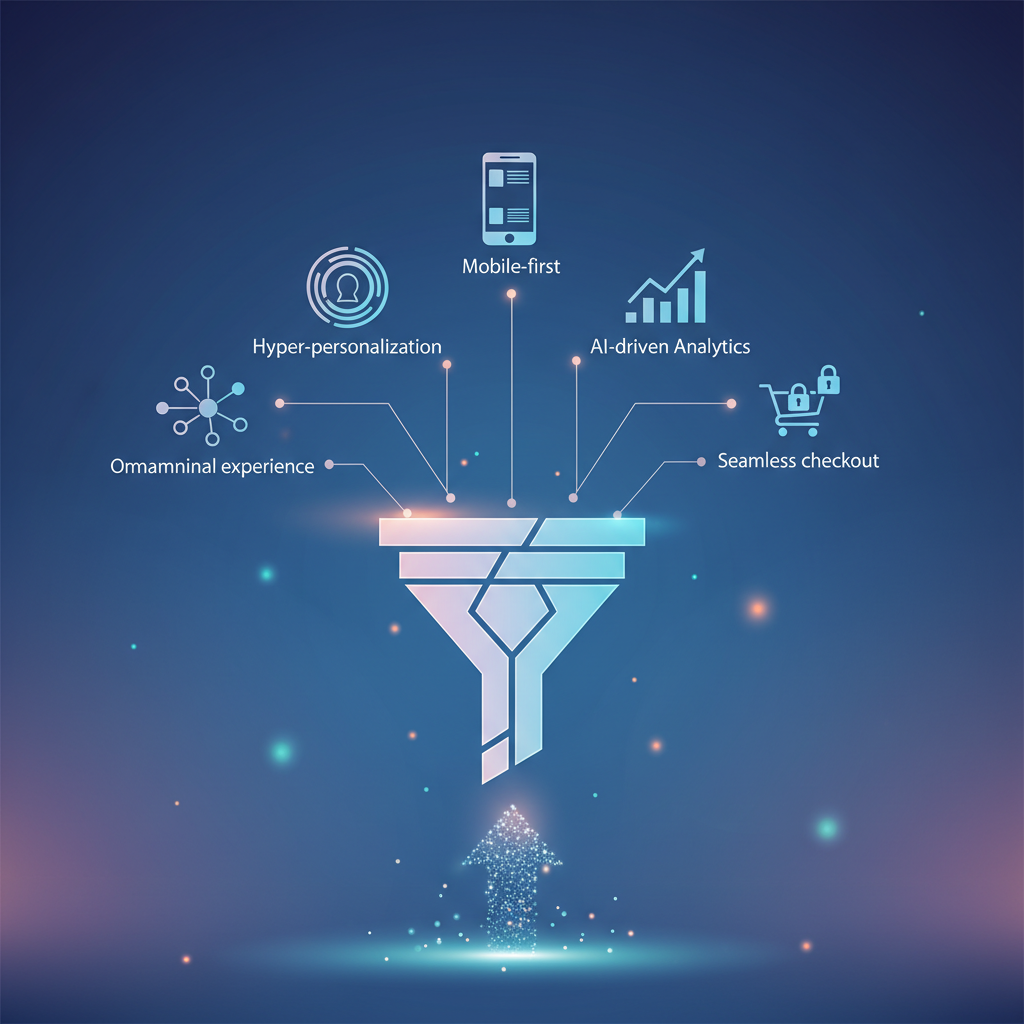
Feeling overwhelmed by the ever-changing world of online retail? Staying ahead of the curve requires a deep understanding of the latest trends. Conversion Rate Optimization (CRO) isn't just a nice-to-have anymore; it's the lifeblood of your business. This guide dives deep into five key eCommerce trends poised to change how businesses optimize their online presence and drive conversions in 2025.
Trend #1: Hyper-Personalization Takes Center Stage
Personalization has been a buzzword for years, but in 2025, it's moving beyond basic segmentation. We're entering an era of hyper-personalization, where AI and machine learning are used to create highly tailored experiences for individual customers. This means dynamic content, personalized product recommendations, and customized messaging based on real-time behavior and preferences.
According to a report by McKinsey, personalization can reduce acquisition costs by as much as 50% while lifting revenues by 5-15% McKinsey. This is a trend every eCommerce business must embrace to stay competitive.
"After 8+ Years managing meta ads, here’s the few things you NEED to do to scale - from a $50M marketer" Reddit
How to Implement Hyper-Personalization:
- Gather Data: Collect comprehensive customer data from various sources (website behavior, purchase history, social media, etc.).
- AI-Powered Recommendations: Implement AI-driven product recommendation engines that adapt to individual customer preferences.
- Dynamic Content: Use dynamic content to tailor website elements (headlines, images, calls-to-action) based on user segments.
- Personalized Email Marketing: Send highly targeted email campaigns with personalized product recommendations and offers.
Trend #2: The Rise of Conversational Commerce
Conversational commerce, or shopping via chat and messaging apps, is gaining significant traction. Customers want instant gratification and personalized support, and chatbots and live chat provide a direct line to address their needs.
Statista projects the global conversational AI market to reach 13.9 billion U.S. dollars by 2025 Statista. This highlights the substantial growth in this sector.
"Has anyone solved the problem of turning scattered data into clear insights" Reddit
Key elements of Conversational Commerce:
- Chatbots: Deploy AI-powered chatbots to answer customer questions, guide them through the purchase process, and provide 24/7 support.
- Live Chat: Offer live chat support for complex inquiries and personalized assistance.
- Messaging Apps: Integrate with popular messaging apps like WhatsApp and Facebook Messenger for direct customer communication.
- Seamless Checkout: Enable customers to complete purchases directly within the chat interface.
Trend #3: Mobile-First Optimization Becomes Non-Negotiable
With mobile devices dominating online shopping, a mobile-first approach is no longer optional. Websites must be fully optimized for mobile devices, ensuring a seamless and user-friendly experience on smartphones and tablets.
According to data from Statista, mobile commerce sales are projected to account for 72.9% of total retail e-commerce sales worldwide in 2025 Statista.
Ensuring a mobile-first approach:
- Responsive Design: Implement responsive design to ensure your website adapts seamlessly to different screen sizes.
- Fast Loading Speeds: Optimize your website for fast loading speeds on mobile devices.
- Simplified Checkout: Streamline the checkout process for mobile users.
- Mobile-Friendly Content: Create mobile-friendly content with clear headings, concise text, and easy navigation.
Trend #4: The Growing Importance of Sustainability and Ethical Practices
Consumers are increasingly conscious of environmental and social issues. They're seeking out brands that align with their values, and this trend is influencing purchasing decisions. Businesses must prioritize sustainability and ethical practices to build trust and resonate with their target audience.
According to a survey by Nielsen, 66% of global consumers are willing to pay more for sustainable goods Nielsen. This highlights the financial benefits of embracing sustainability.
How to demonstrate your commitment to sustainability:
- Transparent Supply Chains: Provide transparency about your supply chains and sourcing practices.
- Eco-Friendly Packaging: Use sustainable packaging materials.
- Carbon Offsetting: Offset your carbon footprint through initiatives like reforestation.
- Ethical Sourcing: Source products from ethical and sustainable suppliers.
Trend #5: The Power of Video Content and Visual Storytelling
Video content is a powerful tool for engaging customers and driving conversions. In 2025, we can expect even more businesses to embrace video marketing to showcase products, tell brand stories, and build relationships with their audience.
According to Wyzowl's 2024 video marketing statistics, 91% of marketers say video is an important part of their marketing strategy Wyzowl.
How to leverage video content:
- Product Demos: Create engaging product demos that showcase your products' features and benefits.
- Customer Testimonials: Feature customer testimonials to build trust and social proof.
- Behind-the-Scenes Content: Offer a glimpse behind the scenes to connect with your audience on a personal level.
- Live Shopping: Host live shopping events to engage with customers in real-time.
What This Means For You
These five trends are poised to significantly impact how eCommerce businesses operate and optimize their conversions. Businesses that embrace these changes will be better positioned to attract and retain customers, drive sales, and achieve long-term success. It's crucial for eCommerce managers and digital marketers to stay informed, adapt their strategies, and invest in the technologies and practices necessary to capitalize on these trends.
How to Prepare
Here’s a practical roadmap to prepare your eCommerce business for these trends:
- Conduct a CRO Audit: Analyze your current website performance to identify areas for improvement. Consider using tools like a CRO Benchmark to gain insights into your conversion funnels and identify optimization opportunities.
- Invest in AI and Automation: Explore AI-powered tools and automation solutions to streamline processes and personalize customer experiences.
- Prioritize Mobile Optimization: Ensure your website and checkout process are fully optimized for mobile devices.
- Embrace Conversational Commerce: Implement chatbots and live chat to provide instant customer support.
- Develop a Video Marketing Strategy: Create engaging video content to showcase your products and brand story.
- Focus on Sustainability: Integrate sustainable and ethical practices into your business operations.
Comparison Table: Key Trends and Actions
| Trend | Key Action | Benefits |
|---|---|---|
| Hyper-Personalization | Implement AI-powered product recommendations | Increased sales, improved customer loyalty |
| Conversational Commerce | Deploy chatbots and live chat | Enhanced customer support, streamlined purchase process |
| Mobile-First Optimization | Ensure responsive design and fast loading speeds | Improved user experience, higher conversion rates |
| Sustainability & Ethics | Transparent supply chains, eco-friendly packaging | Increased brand trust, appeal to eco-conscious consumers |
| Video Content & Storytelling | Create engaging product demos and testimonials | Enhanced customer engagement, higher conversion rates |
Ultimately
The eCommerce landscape is constantly evolving, and the trends shaping 2025 offer both challenges and opportunities for businesses. By embracing hyper-personalization, conversational commerce, mobile-first optimization, sustainability, and video content, eCommerce businesses can create more engaging, relevant, and effective experiences for their customers. Staying informed, adapting strategies, and investing in the right technologies will be critical for success in the years to come. Take action now and prepare your business for the future of eCommerce.