
5 Ecommerce Marketing Trends Shaping Buyer Behavior in 2025
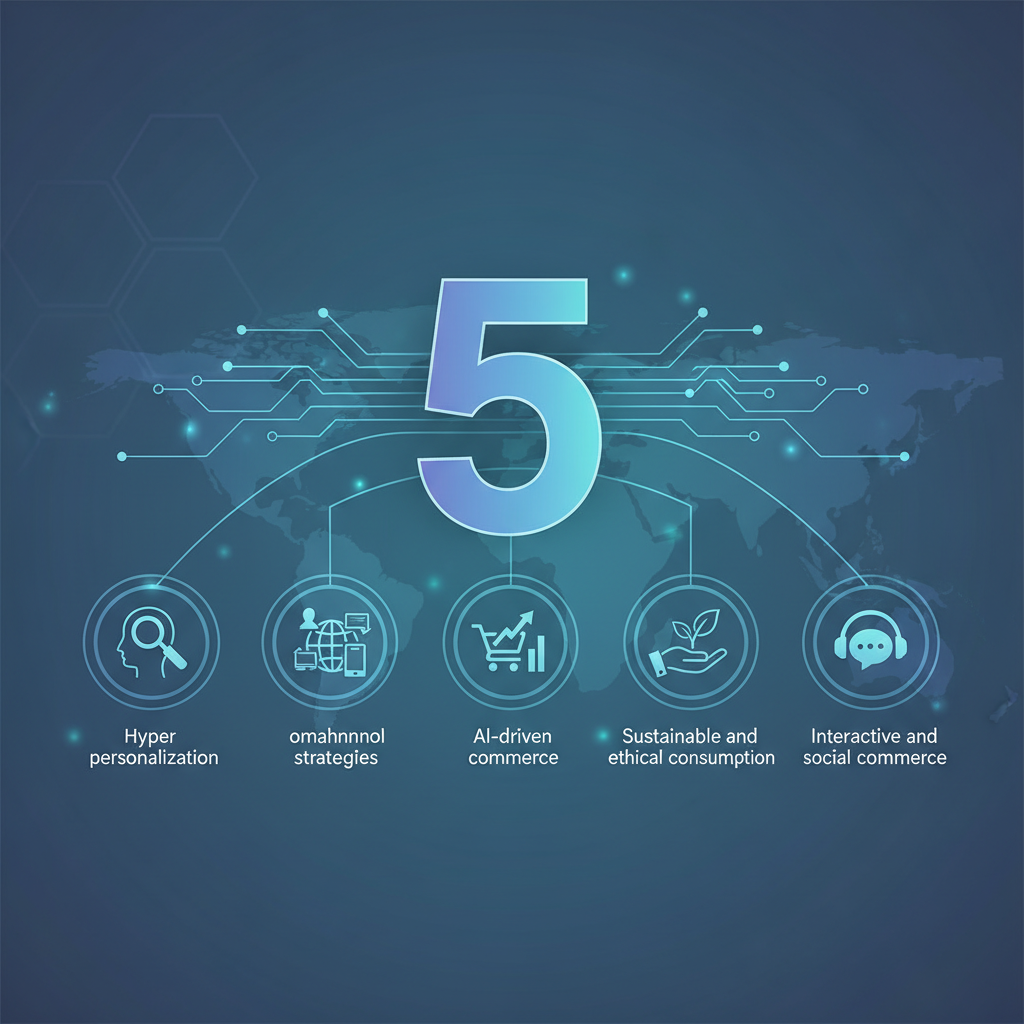
5 Ecommerce Marketing Trends Shaping Buyer Behavior in 2025
Are you ready for the future of online retail? Gone are the days of static marketing lists. Today's buyers are dynamic, their intent fluid, and their purchasing decisions influenced by a complex interplay of factors. This guide dives into five key trends that are reshaping how ecommerce businesses must approach marketing in 2025, offering actionable insights for eCommerce managers to thrive.
Overview
Shifting from list-based marketing to a system-based approach is fundamental. The old method of segmenting audiences and pushing campaigns is becoming less effective. Buyers' needs change quickly, and the timing of a marketing message can be more critical than the volume of messages sent. This means marketers must adopt a more nuanced approach, focusing on understanding individual customer journeys and responding in real-time. This guide will help you do that.
Trend #1: The Rise of Hyper-Personalization
Personalization isn't new, but hyper-personalization takes it to the next level. It's about delivering incredibly tailored experiences based on an individual's past behavior, real-time context, and even predicted needs. This goes beyond simply using a customer's name in an email; it involves dynamically adjusting website content, product recommendations, and offers to create a truly unique experience. The goal is to make each customer feel seen and understood.
- Data-Driven Decisions: Hyper-personalization relies heavily on data analytics. Ecommerce businesses need to collect and analyze vast amounts of customer data, including browsing history, purchase patterns, demographics, and even social media activity. This data then informs the creation of highly targeted segments and personalized content.
- AI and Machine Learning: Artificial intelligence and machine learning help hyper-personalization. These technologies can analyze data to predict customer behavior, recommend relevant products, and automate personalized marketing campaigns. AI-powered chatbots can also provide instant, personalized support.
- Real-Time Adaptation: Hyper-personalization isn't a one-time setup. It requires constant monitoring and adaptation. Ecommerce businesses must continuously analyze data, refine their personalization strategies, and adjust their tactics based on customer feedback and changing trends.
Tip: Start small with A/B testing different personalization strategies. Track metrics like click-through rates, conversion rates, and average order value to measure the impact of your efforts. Even small changes can have a significant impact.
Trend #2: The Omnichannel Experience Takes Center Stage
Customers today interact with brands across multiple channels, from websites and mobile apps to social media and physical stores. An omnichannel strategy provides a seamless, integrated experience across all these touchpoints. This means customers can start their journey on one channel and seamlessly continue it on another, with consistent branding, messaging, and access to information.
- Unified Customer Profiles: To deliver a true omnichannel experience, ecommerce businesses need a unified view of their customers. This involves integrating data from all channels into a central customer profile, allowing for a 360-degree view of each customer's interactions.
- Consistent Branding and Messaging: Consistency is key to omnichannel success. Ensure that your brand identity, messaging, and tone of voice are consistent across all channels. This builds trust and reinforces your brand's values.
- Personalized Interactions: Use customer data to personalize interactions across all channels. This could include tailoring product recommendations on your website based on a customer's browsing history on social media or offering exclusive discounts to loyal customers who engage with your mobile app.
| Feature | Single-Channel | Multi-Channel | Omnichannel |
|---|---|---|---|
| Customer Data | Siloed | Partially Integrated | Unified, 360-degree view |
| Customer Journey | Linear | Fragmented | Seamless, integrated |
| Brand Consistency | Inconsistent | Variable | Consistent across all channels |
| Personalization | Limited | Basic | Highly personalized, data-driven |
| Customer Support | Isolated | Multiple points | Integrated, accessible across all channels |
Trend #3: Emphasis on Transparency and Trust
Consumers are increasingly wary of brands that appear to be hiding something. They want transparency in pricing, product sourcing, and business practices. Building trust is essential for driving sales and fostering long-term customer relationships. This includes providing clear information about products, being upfront about shipping costs and return policies, and responding promptly and honestly to customer inquiries.
- Product Information: Provide detailed product descriptions, high-quality images, and customer reviews. Be transparent about product ingredients, materials, and origins.
- Pricing and Fees: Clearly display all costs, including shipping fees, taxes, and any other charges. Avoid hidden fees or surprises at checkout.
- Return Policies: Make your return policy clear, easy to understand, and customer-friendly. Offering hassle-free returns can significantly increase customer confidence.
Quote: "I realized recently that a lot of my digital marketing work still revolves around building static lists and pushing campaigns at them. Even when I use automation, it is usually just speeding up the same list based thinking." - User on Reddit Reddit
Trend #4: The Evolution of Social Commerce
Social commerce, the practice of selling products directly on social media platforms, continues to grow in popularity. Social media platforms are increasingly integrating e-commerce features, allowing businesses to showcase products, facilitate purchases, and interact with customers directly within the social media environment. This trend is driven by the convenience of shopping directly within the platforms users already frequent.
- Integrated Shopping Experiences: Social media platforms like Instagram, Facebook, and TikTok are offering robust e-commerce features, including product catalogs, shopping carts, and checkout options. This allows customers to browse and purchase products without leaving the social media app.
- Influencer Marketing: Influencer marketing continues to be a powerful tool for driving social commerce sales. Partnering with relevant influencers can help you reach a wider audience and build trust with potential customers. Make sure the influencers align with your brand's values.
- Live Shopping: Live shopping events are gaining traction, allowing businesses to showcase products in real-time, interact with customers, and drive sales through limited-time offers and exclusive content.
Quote: "But buyers clearly do not behave like lists anymore. Intent changes fast, timing matters more than volume, and a lead that is cold today might be perfect two weeks from now if something changes on their side." - User on Reddit Reddit
Trend #5: Sustainability and Ethical Consumption
Consumers are increasingly concerned about the environmental and social impact of their purchases. They are actively seeking out brands that align with their values and demonstrate a commitment to sustainability and ethical practices. This trend is driving demand for eco-friendly products, transparent supply chains, and businesses that prioritize social responsibility.
- Eco-Friendly Products: Offer products made from sustainable materials, with minimal packaging, and a low environmental footprint. Clearly communicate your commitment to sustainability on your website and product pages.
- Transparent Supply Chains: Provide information about your supply chain, including where your products are made, the materials used, and the labor practices involved. This transparency builds trust and allows customers to make informed purchasing decisions.
- Social Responsibility: Support social causes and demonstrate a commitment to ethical business practices. This could include donating a portion of your profits to a charity, sourcing materials from fair-trade suppliers, or implementing sustainable manufacturing processes.
According to a report by Statista, the global market for sustainable products is projected to reach $150.8 billion by 2027. Statista
What This Means For You
These five trends represent a significant shift in the ecommerce landscape. Businesses that fail to adapt risk losing customers to competitors who are embracing these changes. To stay ahead of the curve, eCommerce managers need to:
- Prioritize Data: Invest in data analytics tools and expertise to collect, analyze, and leverage customer data effectively.
- Embrace Omnichannel: Develop a cohesive omnichannel strategy that provides a seamless experience across all touchpoints.
- Build Trust: Focus on transparency, ethical practices, and building strong customer relationships.
- Explore Social Commerce: Experiment with social commerce features and influencer marketing to reach new audiences and drive sales.
- Embrace Sustainability: Integrate sustainability into your business practices and communicate your commitment to eco-friendly products and ethical sourcing.
How to Prepare
Preparing for these trends requires a proactive and strategic approach. Here are some steps you can take:
- Assess Your Current State: Evaluate your current marketing strategies and identify areas where you can improve in each of these five areas.
- Invest in Technology: Implement the necessary tools and technologies to support your efforts, such as data analytics platforms, marketing automation software, and social commerce integrations.
- Train Your Team: Ensure that your team has the skills and knowledge to implement these strategies effectively. Consider providing training on topics like data analytics, AI-powered marketing, and omnichannel customer experience.
- Experiment and Iterate: Don't be afraid to experiment with new tactics and strategies. Continuously monitor your results, analyze data, and adjust your approach based on what's working.
- Stay Informed: Keep up-to-date on the latest trends and best practices in the ecommerce industry. Follow industry blogs, attend webinars, and connect with other professionals to learn from their experiences.
These trends are not isolated; they are interconnected and mutually reinforcing. As ecommerce continues to evolve, businesses that embrace these changes will be best positioned to thrive in the years to come.
Actionable Takeaways:
- Implement a robust data analytics strategy: Use tools to analyze customer behavior and personalize experiences.
- Develop an omnichannel strategy: Ensure a seamless experience across all customer touchpoints.
- Prioritize transparency: Build trust by providing clear and honest information.
- Explore social commerce: Integrate social media into your sales strategy.
- Embrace sustainability: Align your brand with eco-conscious consumers.
By taking these steps, ecommerce businesses can adapt to the changing landscape and create a more engaging, personalized, and sustainable shopping experience for their customers in 2025 and beyond.