
5 Content Marketing Trends Reshaping Ecommerce in 2025
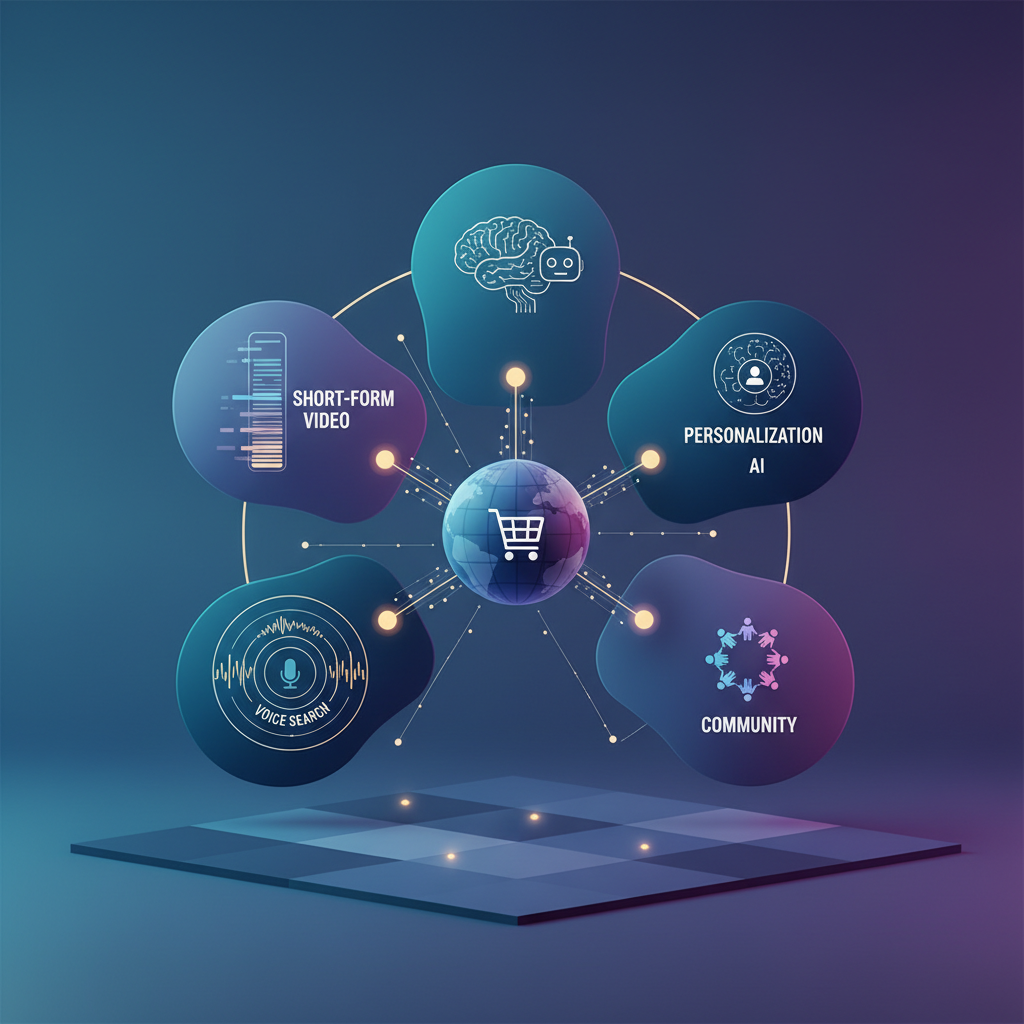
Is your eCommerce business ready for 2025? The digital world is always changing, and to stay ahead, you need to understand the trends reshaping how you connect with customers. Content marketing is key, so let's explore five trends set to redefine it in the eCommerce landscape. Here's what most guides get wrong: they're too general. This guide offers actionable insights for eCommerce managers.
5 Content Marketing Trends Reshaping Ecommerce in 2025
Trend #1: The Rise of Short-Form Video Content
Video has been a powerhouse for years, but the focus is now on short-form video. TikTok, Instagram Reels, and YouTube Shorts are grabbing attention and driving engagement. This shift is all about quick, easy-to-digest information. Consumers want short videos for product reviews, tutorials, and brand storytelling.
"For me, posting more often didn’t move results the way it used to." - A Reddit user in r/content_marketing
Data: Mobile video ad spending in the U.S. is projected to hit $80.2 billion in 2025 Statista. This means a massive shift in advertising budgets toward short-form video formats.
- Why it Matters: Short-form video allows for rapid content creation and distribution, perfect for catching fleeting attention. It's also highly shareable, increasing organic reach. For eCommerce, this means opportunities to showcase products, demonstrate use cases, and build brand personality.
- How to Prepare:
- Invest in video creation tools and training.
- Develop a content calendar specifically for short-form video.
- Optimize videos for mobile viewing.
- Experiment with different video formats (e.g., product demos, behind-the-scenes content).
Trend #2: The Integration of AI-Powered Content Creation
AI isn't some far-off concept anymore; it's here, and it's changing content marketing. AI tools are used for everything from generating content ideas and outlines to writing entire blog posts and social media updates. While AI won't replace human creativity, it will significantly help content creation workflows.
Data: Semrush found that 66% of marketers use AI for content creation Semrush. That shows how quickly AI-powered tools are being adopted.
"Was getting sick of " AI SDR " tools promising magic, then delivering 1% response rates that murdered my domain rep." - A Reddit user in r/b2bmarketing
- Why it Matters: AI can streamline content creation, helping marketers produce more content faster and at a lower cost. It can also help with tasks like keyword research and content optimization.
- How to Prepare:
- Research and test various AI content creation tools.
- Develop a clear strategy for integrating AI into your workflow.
- Focus on using AI to augment, not replace, human creativity.
- Prioritize fact-checking and editing AI-generated content.
Trend #3: The Emphasis on Personalized Content Experiences
Consumers expect personalized experiences. In 2025, content marketing will be driven by data and designed to meet each customer's needs and preferences. This means moving beyond generic messaging and creating content that resonates personally.
Data: Accenture found that 91% of consumers are more likely to shop with brands that recognize, remember, and provide relevant offers and recommendations Accenture. Personalization is no longer a luxury; it's a necessity.
- Why it Matters: Personalized content increases engagement, builds customer loyalty, and drives conversions. It shows that you understand your customers and value their individual needs.
- How to Prepare:
- Collect and analyze customer data to understand their preferences.
- Segment your audience based on demographics, behavior, and interests.
- Create personalized content for each segment.
- Use dynamic content to tailor website experiences in real time.
Trend #4: The Evolution of SEO for Voice Search and Conversational AI
Voice search is growing in popularity, and conversational AI, like chatbots and virtual assistants, is getting smarter. This means SEO strategies must change to accommodate these new search methods.
Data: Voice search is expected to account for 50% of all searches by 2025 Search Engine Journal. Optimizing for voice search is critical for staying visible.
- Why it Matters: Voice search and conversational AI require a different approach to SEO. Keywords need to be more conversational, and content should be structured to answer specific questions.
- How to Prepare:
- Optimize content for long-tail keywords and question-based queries.
- Use structured data to provide clear information to search engines.
- Create content that answers common customer questions.
- Ensure your website is mobile-friendly.
Trend #5: The Rise of User-Generated Content (UGC) and Community Building
Consumers trust other consumers more than they trust brands. User-generated content (UGC), like customer reviews, testimonials, and social media posts, will become even more valuable in 2025. Building a strong community around your brand is essential for fostering trust and driving engagement.
Data: According to Stackla, 79% of people say UGC highly impacts their purchasing decisions Stackla. UGC is a powerful driver of conversions.
- Why it Matters: UGC provides social proof, builds trust, and increases brand awareness. It also helps to create a sense of community around your brand.
- How to Prepare:
- Encourage customers to leave reviews and testimonials.
- Run contests and giveaways to generate UGC.
- Feature UGC on your website and social media channels.
- Engage with your audience on social media and in online communities.
What This Means for You: Adapting Your Content Marketing Strategy
These five trends present both challenges and opportunities for eCommerce managers. The key is to be adaptable and to embrace change. Here are some key takeaways:
- Embrace Short-Form Video: Prioritize video content creation to capture attention.
- Integrate AI Wisely: Use AI tools to streamline content creation and optimize workflows.
- Personalize the Experience: Leverage data to create targeted, relevant content.
- Optimize for Voice and Conversational AI: Adapt your SEO strategy for voice search and conversational interfaces.
- Foster Community: Encourage UGC and build a strong brand community.
How to Prepare: Actionable Steps for eCommerce Managers
To successfully navigate these trends, eCommerce managers need to take proactive steps to adapt their content marketing strategies. Here's a practical guide:
1. Conduct a Content Audit
Before making any changes, assess your current content strategy. Identify what's working, what's not, and where you can improve.
- Evaluate Existing Content: Analyze the performance of your blog posts, videos, social media updates, and other content. Use analytics to measure engagement, reach, and conversions.
- Identify Content Gaps: Determine what topics you haven't covered and what content formats you're missing.
- Assess Audience Understanding: Make sure you truly know your target audience. Review your customer personas, conduct surveys, and analyze customer feedback.
2. Develop a Content Calendar
A well-structured content calendar is essential for staying organized and consistent.
- Plan Content in Advance: Map out your content topics, formats, and publishing schedule for the next quarter or year.
- Diversify Content Formats: Include a mix of blog posts, videos, infographics, and social media updates.
- Align Content with Business Goals: Ensure your content supports your overall marketing objectives, such as driving traffic, generating leads, and increasing sales.
3. Invest in the Right Tools
Select the tools you need to create, distribute, and analyze your content.
- Video Editing Software: Choose a video editing tool that suits your needs and skill level (e.g., Adobe Premiere Pro, Final Cut Pro, or simpler options like Canva).
- AI Content Creation Tools: Experiment with AI tools for content generation, keyword research, and content optimization (e.g., Jasper, Surfer SEO, or Grammarly).
- Social Media Management Platforms: Use tools like Hootsuite or Buffer to schedule and manage your social media posts.
- Analytics Platforms: Implement Google Analytics, or other analytics platforms to track content performance.
4. Build a Strong Team
Content marketing requires a team of skilled professionals.
- Content Creators: Hire or train writers, videographers, and graphic designers.
- SEO Specialists: Ensure you have someone who understands SEO best practices.
- Social Media Managers: Assign someone to manage your social media presence and engage with your audience.
- Data Analysts: Leverage data to inform your content strategy and measure results.
5. Focus on Personalization
Tailor your content to individual customer needs.
- Collect Customer Data: Gather data on customer demographics, behavior, and interests.
- Segment Your Audience: Divide your audience into segments based on their shared characteristics.
- Create Personalized Content: Develop content that is relevant to each segment.
- Use Dynamic Content: Personalize website experiences in real time.
6. Embrace User-Generated Content
Encourage your customers to create content.
- Run Contests and Giveaways: Generate UGC by offering incentives.
- Feature Customer Reviews: Display customer reviews prominently on your website.
- Encourage Social Sharing: Make it easy for customers to share your content on social media.
- Engage with Your Community: Respond to comments and messages on social media and in online communities.
7. Stay Agile and Adaptable
The digital marketing landscape is constantly changing. Be prepared to adjust your strategy as needed.
- Monitor Trends: Stay up-to-date on the latest content marketing trends.
- Analyze Performance: Track the performance of your content and make adjustments based on the data.
- Experiment: Test new content formats, channels, and strategies.
- Be willing to pivot: Don't be afraid to change course if something isn't working.
Conclusion: The Future of Content Marketing in eCommerce
Content marketing is more critical than ever for eCommerce businesses. By embracing the trends outlined in this guide and taking proactive steps to adapt your strategy, you can position your brand for success in 2025 and beyond. By focusing on short-form video, AI integration, personalization, voice search optimization, and community building, you can create a content marketing strategy that drives engagement, builds brand loyalty, and ultimately, boosts sales. The future of eCommerce content marketing is dynamic, and the brands that embrace change will be the ones that thrive.
Frequently Asked Questions (FAQ)
Q: What is the most important content marketing trend for eCommerce in 2025?
A: While all of the trends are important, the rise of short-form video is arguably the most impactful. It's a highly engaging format that aligns with how consumers are consuming content.
Q: How can I personalize my content marketing efforts?
A: Start by collecting and analyzing customer data to understand their preferences. Then, segment your audience and create personalized content for each segment. Use dynamic content to tailor website experiences in real time.
Q: How can I measure the success of my content marketing efforts?
A: Track key metrics such as website traffic, engagement, conversions, and social media reach. Use analytics tools to monitor performance and make adjustments to your strategy as needed.
Q: What are some good AI content creation tools?
A: Some popular AI content creation tools include Jasper, Surfer SEO, and Grammarly. Research the tools and select those that best fit your needs and budget.
Q: Where can I find more information about these content marketing trends?
A: You can find more information by searching for industry reports, reading blogs by marketing experts, and following thought leaders on social media.