
Your Cart Abandonment Recovery Roadmap: A Guide for Ecommerce Managers
Your Cart Abandonment Recovery Roadmap: A Guide for Ecommerce Managers
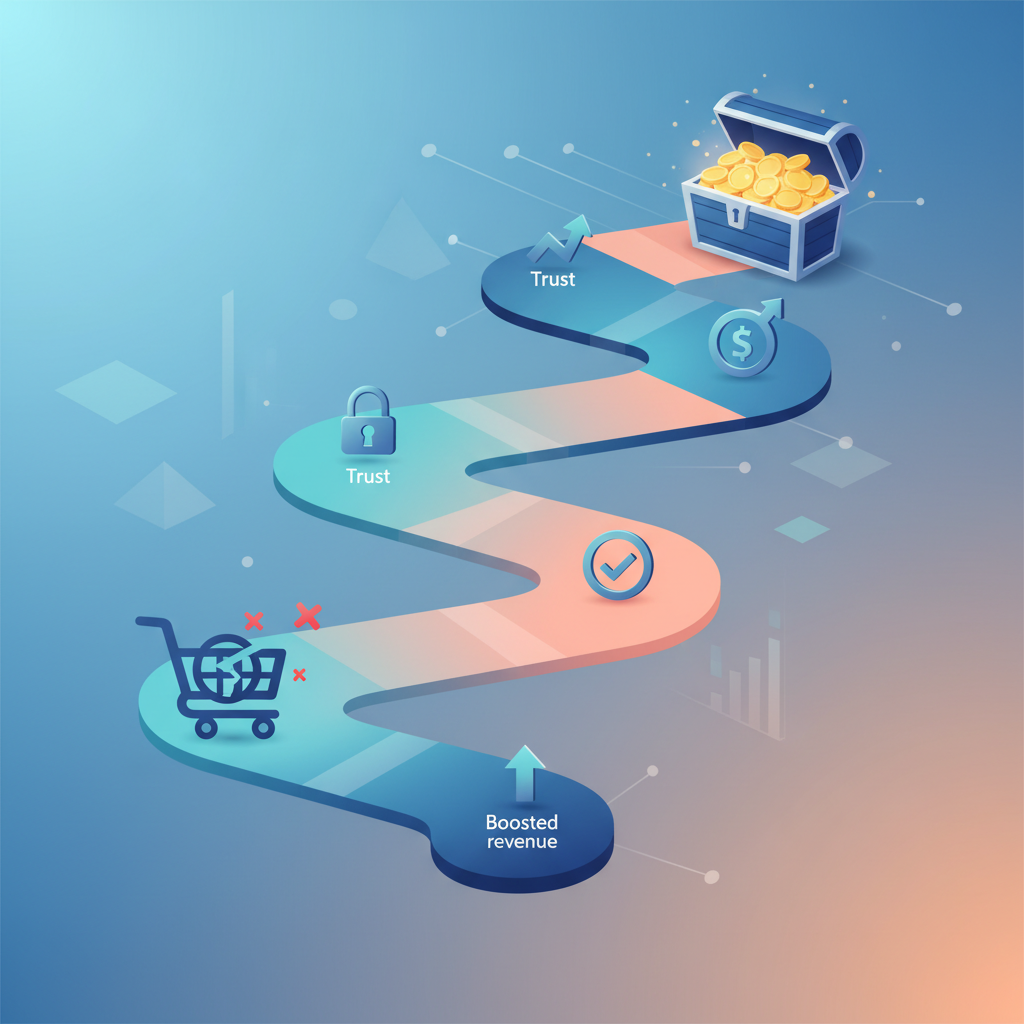
Are you tired of watching potential customers vanish just before the finish line? Cart abandonment is a persistent challenge for ecommerce businesses, but it's not an insurmountable one. This roadmap will guide you through the process of understanding, diagnosing, and ultimately, conquering cart abandonment. We'll explore the key phases, from understanding the problem to implementing effective solutions, helping you turn lost sales into recovered revenue.
Approximately 70% of online shopping carts are abandoned before a purchase is completed Baymard Institute. This staggering statistic highlights the scale of the problem. But don't despair; this guide offers a clear path to recovery.
According to Statista, the average cart abandonment rate across all industries is around 79.8%. This shows just how widespread the issue is.
And from SaleCycle, the travel industry has the lowest cart abandonment rate, at about 72.8%.
Where You're Starting: Understanding the Cart Abandonment Crisis
Before you can fix a problem, you need to understand it. Cart abandonment is the process where a shopper adds items to their cart but leaves your website without completing the purchase. This can happen for a myriad of reasons, from unexpected shipping costs to a complicated checkout process. Understanding the "why" is the crucial first step.
The causes of cart abandonment are varied, but they often boil down to friction in the customer journey. Removing these points of friction is key to improving conversion rates.
Common Causes of Cart Abandonment:
- Unexpected Costs: Hidden shipping fees, taxes, or other charges at the end of the checkout process are a major deterrent.
- Complex Checkout Process: A lengthy or confusing checkout with too many steps can frustrate customers.
- Lack of Trust: Security concerns, lack of trust signals, or a poor website design can make shoppers hesitant to enter their payment information.
- Required Account Creation: Forcing customers to create an account before they can purchase is often a barrier.
- Website Performance Issues: Slow loading times, mobile unresponsiveness, and technical glitches can lead to abandonment.
- Payment Options: Not offering preferred payment methods can cause shoppers to leave.
- Price Comparison: Customers often abandon carts to compare prices on other websites.
Phase 1: Foundation - Diagnosing the Problem
This phase is about gathering data and understanding the specific issues plaguing your ecommerce store. You need to dig deep into your analytics and customer behavior.
Step 1: Analyze Your Data
- Google Analytics: Use Google Analytics to track your cart abandonment rate, identify the pages where abandonment is highest, and analyze user behavior. Look at the “Checkout Behavior Analysis” report to understand the drop-off rate at each stage of the checkout process.
- Ecommerce Platform Analytics: Most ecommerce platforms (Shopify, WooCommerce, etc.) provide built-in analytics that can help you understand cart abandonment patterns. Look for reports that show the number of abandoned carts, the value of the abandoned orders, and the reasons for abandonment.
- Heatmaps and Session Recordings: Use tools like Hotjar or Crazy Egg to visualize user behavior on your checkout pages. Heatmaps can show you where users are clicking, scrolling, and hovering, while session recordings allow you to watch users interact with your site.
Step 2: Identify the Bottlenecks
Once you have your data, it's time to pinpoint the specific bottlenecks in your checkout process. Ask yourself:
- Where are most users dropping off?
- What steps in the checkout process are causing the most friction?
- Are there any common themes in the reasons for abandonment?
Step 3: Conduct Customer Surveys
Directly ask your customers why they're abandoning their carts. Use surveys on your website, in abandoned cart emails, or through post-purchase follow-ups. Ask open-ended questions to gather valuable insights. Some example questions:
- What prevented you from completing your purchase?
- Was there anything unclear or confusing about the checkout process?
- What payment options would you prefer?
Phase 2: Building - Implementing Solutions
Now that you understand the problem, it's time to implement solutions. This phase involves optimizing your checkout process, building trust, and providing a seamless customer experience.
Optimize Your Checkout Process
- Simplify the Checkout: Reduce the number of steps in your checkout process. Aim for a one-page or two-page checkout. Minimize form fields and make it easy for users to complete the process.
- Guest Checkout: Allow guest checkout so that customers don't have to create an account.
- Progress Indicators: Use a progress bar to show customers where they are in the checkout process and how many steps are left.
- Mobile Optimization: Ensure your checkout process is fully responsive and optimized for mobile devices. A significant portion of online shopping happens on mobile, so this is critical.
A streamlined checkout process is crucial for converting abandoners. Every unnecessary step or field is a potential point of friction.
Build Trust and Security
- SSL Certificate: Display an SSL certificate to show that your website is secure.
- Trust Badges: Display trust badges from reputable security providers (e.g., McAfee Secure, Norton Secured) to build confidence.
- Customer Reviews: Showcase customer reviews and testimonials to build social proof.
- Clear Contact Information: Make your contact information (phone number, email address, physical address) easily accessible.
- Secure Payment Gateways: Use secure payment gateways like Stripe and PayPal.
Offer Flexible Payment and Shipping Options
- Multiple Payment Methods: Offer a variety of payment methods, including credit cards, debit cards, digital wallets (e.g., Apple Pay, Google Pay), and buy-now-pay-later options (e.g., Klarna, Afterpay).
- Transparent Shipping Costs: Be upfront about shipping costs. Offer free shipping if possible, or clearly display shipping costs early in the checkout process.
- Multiple Shipping Options: Provide a range of shipping options (e.g., standard, expedited, express) to meet different customer needs.
Improve Website Performance
- Fast Loading Times: Optimize your website for fast loading times. Use image compression, browser caching, and a content delivery network (CDN).
- Mobile Responsiveness: Ensure your website is fully responsive and looks great on all devices.
- Bug Fixes: Regularly check for and fix any technical glitches or bugs that could be causing issues.
Phase 3: Optimizing - Refining Your Strategy
Once you've implemented initial solutions, it's time to refine your strategy through ongoing testing and optimization.
A/B Testing
- Test Different Checkout Flows: A/B test different checkout flows to see which ones perform best. Experiment with the number of steps, form fields, and layout.
- Test Different Copy: A/B test different headlines, calls to action, and product descriptions to see which ones resonate most with your audience.
- Test Different Payment Options: A/B test the placement and prominence of different payment methods.
- Test Different Trust Signals: A/B test the placement and design of trust badges and security seals.
Implement Abandoned Cart Emails
- Triggered Emails: Set up automated abandoned cart emails that are triggered when a customer leaves items in their cart.
- Personalization: Personalize your emails with the customer's name, the items in their cart, and a compelling call to action.
- Incentives: Consider offering incentives like free shipping, a discount code, or a reminder of a limited-time offer.
- Multiple Emails: Send a series of abandoned cart emails, spaced out over a few days, to maximize your chances of recovery.
Monitor and Analyze Results
- Track Key Metrics: Monitor your cart abandonment rate, conversion rate, and revenue from recovered carts.
- Analyze Customer Behavior: Continue to analyze customer behavior to identify new areas for improvement.
- Iterate and Improve: Continuously iterate on your strategy based on your data and testing results.
Measuring Success: Key Metrics to Track
To measure the effectiveness of your cart abandonment recovery efforts, you need to track several key metrics:
- Cart Abandonment Rate: The percentage of shoppers who add items to their cart but don't complete the purchase. This is your primary indicator of success.
- Conversion Rate: The percentage of website visitors who complete a purchase.
- Revenue Per Visitor: The average revenue generated by each website visitor.
- Recovered Cart Revenue: The revenue generated from recovered abandoned carts.
- Abandoned Cart Email Open Rate: The percentage of customers who open your abandoned cart emails.
- Abandoned Cart Email Click-Through Rate: The percentage of customers who click on links in your abandoned cart emails.
- Abandoned Cart Email Conversion Rate: The percentage of customers who complete a purchase after clicking on a link in an abandoned cart email.
Tracking these metrics allows you to understand the impact of your efforts and make data-driven decisions to further improve your results.
Actionable Takeaways for Ecommerce Managers
- Prioritize Checkout Optimization: Streamline your checkout process by reducing steps, form fields, and distractions.
- Build Trust and Security: Display trust badges, use secure payment gateways, and ensure a secure website connection.
- Offer Flexible Payment and Shipping Options: Provide a variety of payment methods and transparent shipping options.
- Implement Abandoned Cart Emails: Set up automated abandoned cart emails with personalized content and compelling incentives.
- Continuously Test and Optimize: A/B test different elements of your checkout process, website copy, and abandoned cart emails to improve your results.
By following this roadmap, you can significantly reduce cart abandonment and boost your ecommerce revenue. Remember, tackling cart abandonment isn't a one-time fix but an ongoing process of analysis, optimization, and refinement. Stay focused on creating a seamless and trustworthy shopping experience, and you'll be well on your way to ecommerce success.
While we don't directly mention a specific CRO tool, it's important to remember that successful cart abandonment recovery often relies on robust analytics and testing capabilities. Tools like CRO Benchmark can help you quickly identify areas for improvement and prioritize your optimization efforts. CRO Benchmark provides an AI-driven conversion optimization audit that analyzes numerous factors and provides actionable insights to improve your conversion performance.