
The Demographics Dilemma: Marketing Mistakes That Waste Your Budget (And How to Fix Them)
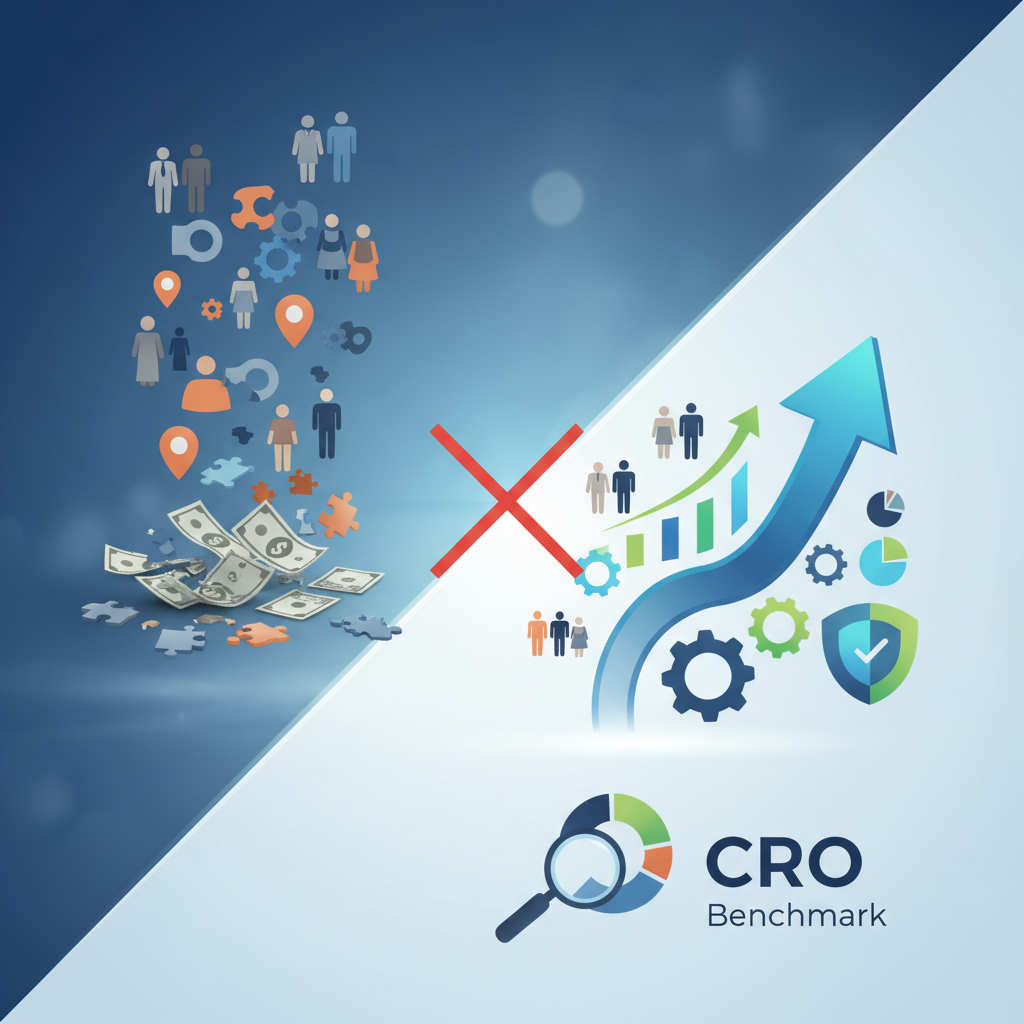
Do you still rely heavily on demographics like age, job title, and location to understand your target audience? If so, you might be missing the mark – and wasting valuable marketing dollars. Sound familiar? In today's fast-paced market, is focusing on what people say and feel more important than basic demographics?
The truth is, while demographics offer a snapshot of your audience, they can be misleading. Focusing solely on these factors can lead to ineffective campaigns, missed opportunities, and a significant drain on your marketing budget. This is where many businesses make serious mistakes.
Here's what most guides get wrong: This article dives deep into the most common demographic-related marketing mistakes, explaining why they're costing you, and, most importantly, how to fix them.
Why These Mistakes Matter
In the fast-paced world of digital marketing, understanding your audience is paramount. But the way we understand our audience is evolving. Traditional demographics provide a surface-level view, but they often fail to capture the nuances of consumer behavior.
Consider these realities:
- Changing Consumer Behavior: Consumer preferences are constantly shifting. Demographics alone don't account for these rapid changes.
- Hyper-Personalization: Today's consumers expect personalized experiences. Generic, demographic-based campaigns often fall flat.
- Budget Efficiency: Inefficient marketing strategies result in wasted ad spend and lower ROI. Avoiding demographic pitfalls is key to maximizing your budget.
Key takeaway: Blindly following demographic data without considering sentiment and behavior can lead to irrelevant messaging, wasted ad spend, and a poor understanding of your customer base.
Mistake #1: Over-Reliance on Outdated Demographics
One of the biggest mistakes marketers make is clinging to outdated demographic data. Age, income, and location can change rapidly, rendering your carefully crafted campaigns ineffective.
The Problem:
- Static Data: Demographics are often treated as static, failing to account for lifestyle changes, evolving interests, and economic shifts.
- Oversimplification: Demographics don't capture the complexity of human behavior. People within the same demographic group can have vastly different needs and preferences.
- Missed Opportunities: Ignoring the dynamic nature of your audience can lead to missed opportunities to connect with potential customers.
The Fix:
- Regular Updates: Regularly update your demographic data using reliable sources and customer surveys.
- Behavioral Analysis: Supplement demographic data with behavioral data, such as website activity, purchase history, and social media engagement.
- Sentiment Analysis: Use tools like CRO Benchmark to analyze customer sentiment and understand what your audience truly values.
Mistake #2: Ignoring Psychographics and Customer Sentiment
Let's be honest—demographics tell you who your customers are, but psychographics and customer sentiment reveal why they make certain decisions. Ignoring these factors is a costly mistake.
The Problem:
- Limited Understanding: Demographics provide a limited understanding of your customers' motivations, values, and aspirations.
- Generic Messaging: Campaigns based solely on demographics often lack the emotional resonance needed to drive conversions.
- Low Engagement: Without understanding customer sentiment, your content may fail to connect with your target audience, leading to low engagement rates.
The Fix:
- Customer Surveys: Conduct regular customer surveys to gather insights into their needs, preferences, and pain points.
- Social Listening: Monitor social media conversations to understand how customers perceive your brand and products.
- Analyze Reviews: Scrutinize customer reviews to identify common themes and areas for improvement.
- Use Tools for Sentiment Analysis: Employ tools like CRO Benchmark to gauge customer sentiment and identify areas for improvement.
- Focus on Value: Create content and campaigns that address your customers' needs and align with their values.
Mistake #3: Lack of Segmentation and Personalization
Treating your entire audience as a homogenous group based on demographics is a surefire way to miss out on conversions. Effective marketing requires segmentation and personalization.
The Problem:
- Generic Campaigns: One-size-fits-all campaigns fail to resonate with diverse audiences.
- Low Conversion Rates: Generic messaging leads to lower engagement and conversion rates.
- Wasted Resources: You end up spending resources on campaigns that are not relevant to a significant portion of your audience.
The Fix:
- Segment Your Audience: Divide your audience into segments based on demographics, behavior, and psychographics.
- Personalize Your Messaging: Tailor your messaging to each segment, addressing their specific needs and preferences.
- Use Dynamic Content: Leverage dynamic content to personalize website experiences and email campaigns.
- A/B Test Everything: Experiment with different messaging, offers, and calls-to-action to optimize conversions for each segment.
Mistake #4: Failing to Adapt to Market Changes
The marketing landscape is constantly evolving. Sticking to a rigid demographic-based strategy without adapting to market changes is a recipe for disaster.
The Problem:
- Irrelevant Campaigns: Campaigns that were effective in the past may become irrelevant as the market changes.
- Missed Opportunities: Failing to adapt to new trends and technologies can lead to missed opportunities for growth.
- Loss of Market Share: Competitors who embrace change will eventually surpass you.
The Fix:
- Stay Informed: Keep up-to-date with industry trends, market research, and competitor analysis.
- Embrace New Technologies: Adopt new technologies, such as AI-powered marketing tools, to stay ahead of the curve.
- Be Agile: Be prepared to adjust your strategies as needed.
- Continuously Test and Iterate: Always be testing and refining your campaigns to optimize performance.
Mistake #5: Neglecting Data Quality and Accuracy
Data is the lifeblood of any marketing strategy. Neglecting data quality and accuracy is a critical mistake that can undermine your entire effort.
The Problem:
- Inaccurate Insights: Poor-quality data leads to inaccurate insights, which can result in poor decisions.
- Ineffective Targeting: Inaccurate data makes it difficult to target the right audience.
- Wasted Ad Spend: You end up spending money on campaigns that reach the wrong people.
The Fix:
- Verify Data Sources: Always verify the accuracy and reliability of your data sources.
- Clean Your Data: Regularly clean your data to remove duplicates, correct errors, and ensure consistency.
- Use Data Validation Tools: Use data validation tools to ensure the accuracy of your data.
- Invest in Data Hygiene: Prioritize data hygiene to maintain the quality and integrity of your data.
Mistake #6: Not Integrating Demographics with Other Data Sources
Demographics are just one piece of the puzzle. Failing to integrate demographic data with other data sources is a missed opportunity.
The Problem:
- Incomplete Picture: You only see a partial view of your customers.
- Limited Insights: You fail to gain a comprehensive understanding of your customers' behavior and preferences.
- Ineffective Campaigns: Your campaigns are less effective because they lack the necessary context.
The Fix:
- Integrate Data Sources: Integrate your demographic data with other data sources, such as website analytics, CRM data, and social media data.
- Create 360-Degree Customer Profiles: Develop comprehensive customer profiles that include demographic, behavioral, and psychographic data.
- Use Data Visualization Tools: Use data visualization tools to gain a clear understanding of your customers and identify trends.
Mistake #7: Ignoring Customer Feedback
Customer feedback is a goldmine of insights. Ignoring this valuable resource is a huge mistake.
The Problem:
- Missed Opportunities: You miss out on opportunities to improve your products, services, and marketing campaigns.
- Customer Dissatisfaction: You fail to address customer concerns, leading to dissatisfaction and churn.
- Poor Brand Reputation: Negative customer experiences can damage your brand reputation.
The Fix:
- Actively Solicit Feedback: Actively solicit feedback through surveys, reviews, and social media.
- Respond to Feedback Promptly: Respond to customer feedback promptly and professionally.
- Analyze Feedback: Analyze customer feedback to identify common themes and areas for improvement.
- Make Data-Driven Changes: Use customer feedback to make data-driven changes to your products, services, and marketing campaigns.
Pro Tip: Make sure you're regularly analyzing customer reviews and feedback to identify areas for improvement.
Prevention Checklist
To avoid the costly mistakes discussed above, implement the following checklist:
- Regularly Update Data: Keep your demographic data current.
- Go Beyond Demographics: Combine demographics with psychographics and customer sentiment analysis.
- Segment Your Audience: Divide your audience into meaningful segments.
- Personalize Messaging: Tailor your messages to each segment.
- Stay Agile: Adapt to changing market conditions.
- Prioritize Data Quality: Ensure the accuracy and reliability of your data.
- Integrate Data Sources: Combine demographic data with other data sources.
- Listen to Your Customers: Actively solicit and respond to customer feedback.
The Power of a CRO Benchmark
To truly understand your audience and optimize your marketing efforts, consider using a tool like CRO Benchmark. This AI-driven conversion optimization audit analyzes over 250 criteria across your eCommerce store. It uncovers your biggest conversion leaks and delivers prioritized fixes, tailored A/B testing ideas, and a clear CRO Index Score from 0–100.
By using CRO Benchmark, you can:
- Identify Conversion Leaks: Quickly pinpoint areas where you're losing conversions.
- Get Actionable Insights: Receive prioritized recommendations for improvement.
- Optimize Your Website: Improve your website's performance and user experience.
- Improve Customer Sentiment: Address issues that are negatively impacting customer sentiment.
CRO Benchmark helps you move beyond the limitations of demographic data by providing a comprehensive, data-driven approach to conversion optimization.
CRO Benchmark Features:
- Comprehensive Audit: Analyze 250+ criteria.
- AI-Driven Insights: Get prioritized recommendations.
- A/B Testing Ideas: Receive tailored A/B testing suggestions.
- CRO Index Score: Track your progress with a clear score.
Ultimately
Demographics are a starting point, not the destination. Over-relying on them without considering other factors can lead to costly marketing mistakes. By understanding the common pitfalls and implementing the fixes outlined in this guide, you can create more effective campaigns, improve customer satisfaction, and maximize your marketing ROI. Remember to embrace a data-driven approach, listen to your customers, and continuously adapt to the evolving marketing landscape.