
Achieving eCommerce Success: Your Ultimate Guide to CRO Benchmarking
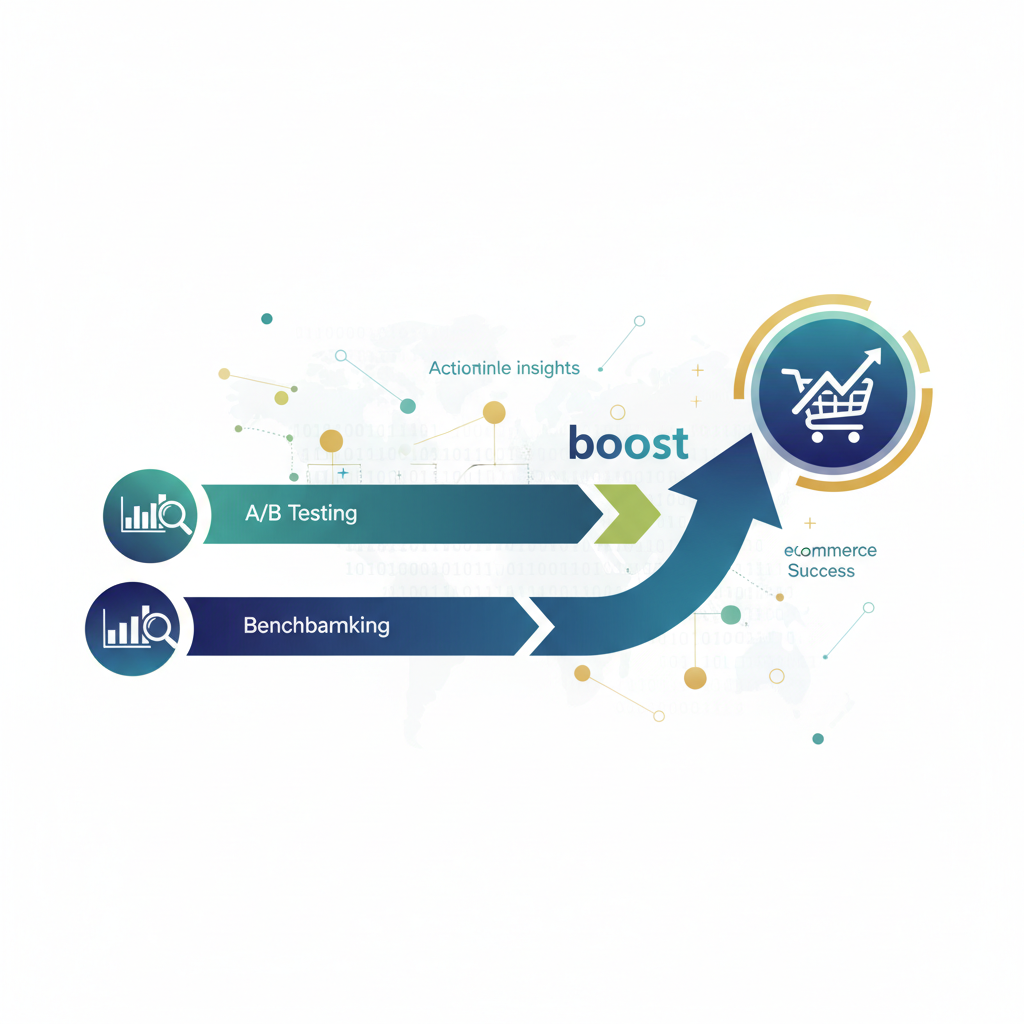
Achieving eCommerce Success: Your Ultimate Guide to CRO Benchmarking
Are you an eCommerce brand struggling to convert visitors into customers? Do you feel like you're leaving money on the table, unsure where your website's conversion bottlenecks lie? Sound familiar? You're not alone. The pressure to optimize your conversion rate (CRO) is intense, and it's critical for survival and growth. This guide will give you a complete overview of CRO benchmarking, why it matters, and how you can use it to transform your eCommerce business.
What is CRO Benchmarking?
CRO benchmarking is the process of comparing your website's conversion performance against industry standards and your competitors. It's about identifying areas where you're excelling and, more importantly, where you're falling short. By analyzing key metrics, you can pinpoint conversion leaks and prioritize optimizations that deliver the biggest impact.
CRO benchmarking involves:
- Gathering Data: Collecting data on key performance indicators (KPIs) like conversion rates, bounce rates, average order value, and cart abandonment rates.
- Analyzing the Data: Comparing your data against industry benchmarks and competitor performance.
- Identifying Opportunities: Pinpointing areas for improvement and developing a targeted optimization strategy.
- Implementing Changes: Testing and implementing changes to improve conversion rates.
- Monitoring and Refining: Continuously monitoring performance and refining your strategy.
Why CRO Benchmarking Matters
In the fast-paced world of eCommerce, data-driven decision-making is key. CRO benchmarking offers several key benefits:
- Improved Conversion Rates: By identifying and addressing conversion bottlenecks, you can significantly increase your conversion rates.
- Increased Revenue: Higher conversion rates translate directly into more sales and increased revenue.
- Enhanced Customer Experience: Optimizing your website for conversions often leads to a smoother, more user-friendly experience, improving customer satisfaction.
- Competitive Advantage: Understanding your performance relative to competitors allows you to identify areas where you can gain an edge.
- Data-Driven Decision-Making: Benchmarking provides the data you need to make informed decisions about your optimization efforts.
Key Benefits of CRO Benchmarking
- Data-Driven Insights: Provides concrete data to guide optimization efforts, eliminating guesswork.
- Prioritized Action Plans: Helps identify the most impactful areas for improvement, saving time and resources.
- Objective Performance Measurement: Offers a clear understanding of your website's performance against industry standards.
- Competitive Intelligence: Reveals how your website stacks up against competitors, highlighting areas for differentiation.
- ROI Optimization: Ensures that your optimization efforts deliver the best possible return on investment.
How CRO Benchmarking Works
CRO benchmarking can seem complex, but the core process is relatively straightforward. Here's a step-by-step guide:
- Define Your Goals: What do you want to achieve with CRO? Increased sales? Higher average order value? More leads? Clearly defined goals are essential.
- Identify Key Metrics: Determine the KPIs you'll track. Common metrics include conversion rate, bounce rate, cart abandonment rate, average order value, and customer lifetime value.
- Gather Data: Collect data from your website analytics platform (e.g., Google Analytics), eCommerce platform, and other relevant sources.
- Research Industry Benchmarks: Find industry benchmarks for your specific niche. Resources like the Baymard Institute and industry reports from companies like Adobe and Salesforce can provide valuable insights. (I'd recommend digging into Baymard's data here. For example, they've found that poor checkout design can cost e-commerce sites up to 26% of their potential revenue.)
- Analyze Your Data: Compare your performance against industry benchmarks and competitor data. Identify areas where you're underperforming.
- Develop an Optimization Strategy: Based on your analysis, create a targeted optimization strategy. Prioritize areas with the greatest potential for improvement.
- Implement Changes: Implement the changes outlined in your optimization strategy. This may involve A/B testing, redesigning landing pages, or optimizing your checkout process.
- Monitor and Refine: Continuously monitor your performance and refine your strategy based on the results. CRO is an ongoing process.
Step-by-Step Guide to CRO Benchmarking
- Choose Your Benchmarking Tools: Select the tools that best suit your needs. This may include website analytics platforms, CRO audit tools, and competitor analysis tools.
- Define Your Baseline: Establish a baseline by collecting data on your current performance. This will serve as a point of comparison for future improvements.
- Research Industry Benchmarks: Find reliable benchmarks for your industry. Look for reports and studies from reputable sources.
- Analyze Your Data: Compare your data with industry benchmarks and competitor data. Identify areas where you're excelling and areas that need improvement.
- Conduct a Website Audit: Perform a comprehensive website audit to identify technical issues, usability problems, and other factors that may be hindering conversions.
- Prioritize Optimization Efforts: Based on your analysis, prioritize the optimization efforts that are most likely to yield the best results.
- Implement Changes: Implement the changes outlined in your optimization strategy. This may involve A/B testing, improving website design, or optimizing the checkout process.
- Track and Measure Results: Track and measure your results to determine the effectiveness of your changes. Use your data to refine your strategy and make further improvements.
Tools & Resources for CRO Benchmarking
Several tools can help you with CRO benchmarking:
- Website Analytics Platforms: Google Analytics, Adobe Analytics, and similar platforms provide essential data on website traffic, user behavior, and conversions.
- CRO Audit Tools: Tools like [CRO Benchmark](insert internal link to CRO Benchmark article) offer comprehensive website audits, identifying conversion bottlenecks and providing actionable recommendations. These tools often analyze hundreds of factors, providing a detailed assessment of your website's performance.
- A/B Testing Tools: Optimizely, VWO, and similar tools allow you to test different variations of your website to determine which ones perform best.
- Heatmap and Session Recording Tools: Hotjar and Crazy Egg provide insights into user behavior, helping you understand how users interact with your website.
- Competitor Analysis Tools: SEMrush, Ahrefs, and similar tools can help you analyze your competitors' websites, identifying their strengths and weaknesses.
Pro Tip: Don't rely solely on one tool. Combine data from multiple sources to get a comprehensive view of your website's performance.
Common Mistakes in CRO Benchmarking
- Not Defining Clear Goals: Without clear goals, it's impossible to measure success effectively.
- Using Incorrect Benchmarks: Make sure you're comparing your performance against relevant benchmarks for your industry and target audience.
- Ignoring Qualitative Data: While quantitative data is important, don't overlook user feedback and other qualitative insights.
- Making Assumptions: Don't assume you know what your customers want. Test your assumptions through A/B testing and other methods.
- Not Prioritizing: Trying to fix everything at once can be overwhelming and ineffective. Prioritize the areas that will have the biggest impact.
- Failing to Test: Always test your changes before implementing them permanently.
- Not Tracking Progress: Monitor your performance regularly and make adjustments as needed.
Pro Tips for CRO Benchmarking Success
- Focus on the Customer: Always put the customer first. Understand their needs and pain points.
- Embrace A/B Testing: A/B testing is essential for validating your optimization efforts.
- Be Patient: CRO is an ongoing process. Don't expect overnight results.
- Stay Up-to-Date: The eCommerce landscape is constantly evolving. Stay informed about the latest trends and best practices.
- Analyze User Behavior: Use heatmaps, session recordings, and other tools to understand how users interact with your website.
- Conduct Regular Audits: Perform regular website audits to identify potential issues and opportunities for improvement.
- Prioritize Mobile Optimization: Ensure your website is optimized for mobile devices, as mobile traffic continues to grow.
Pro Tip: Regularly review your website's accessibility to ensure it is usable by everyone, including those with disabilities.
FAQs about CRO Benchmarking
Q: What is a good conversion rate?
A: A good conversion rate varies by industry and product. However, a conversion rate of 2-5% is generally considered good for eCommerce. Some top performers achieve conversion rates of 10% or higher. It's important to benchmark against your industry and competitors to determine what's realistic for your business.
Q: How often should I benchmark?
A: Benchmarking should be an ongoing process. At a minimum, you should benchmark your performance quarterly. However, more frequent benchmarking may be necessary, especially if you're making significant changes to your website or running marketing campaigns.
Q: What are the best metrics to track?
A: The best metrics to track depend on your business goals. However, some essential metrics include conversion rate, bounce rate, cart abandonment rate, average order value, customer lifetime value, and customer acquisition cost.
Q: How can I improve my website's conversion rate?
A: There are many ways to improve your website's conversion rate. Some of the most effective strategies include optimizing your website's design, improving your checkout process, creating compelling product descriptions, and building trust with your customers.
Q: What are the benefits of using a CRO audit tool?
A: CRO audit tools can save you time and effort by automatically identifying conversion bottlenecks and providing actionable recommendations. They can also provide a more objective assessment of your website's performance than manual analysis.
Ultimately
CRO benchmarking is a critical process for eCommerce businesses looking to improve their conversion rates and drive revenue growth. By understanding your performance relative to industry standards and competitors, you can identify areas for improvement and develop a targeted optimization strategy. The process involves defining goals, identifying key metrics, gathering data, analyzing performance, and implementing changes. Don't be afraid to experiment, test your assumptions, and continuously refine your approach. By embracing a data-driven approach to CRO, you can achieve your business goals.
Actionable Takeaways:
- Conduct a CRO Audit: Use a tool like [CRO Benchmark](insert internal link to CRO Benchmark article) to identify your biggest conversion bottlenecks.
- Set Clear Goals: Define your specific CRO goals and KPIs.
- Research Industry Benchmarks: Find reliable benchmarks for your industry.
- Prioritize Optimization Efforts: Focus on the areas that will have the biggest impact.
- A/B Test Everything: Continuously test and refine your website to optimize for conversions.
Comparison Table: CRO Audit Tools
| Feature | CRO Benchmark | Competitor Tool 1 | Competitor Tool 2 |
|---|---|---|---|
| Audit Type | AI-Driven, Comprehensive | Manual, Customizable | Automated, Limited |
| Key Focus | Conversion Optimization, eCommerce | General Website Analysis | Technical SEO |
| Key Features | 250+ Criteria, Actionable Recommendations | Custom Reports, User-Defined Metrics | Site Speed, Mobile Friendliness |
| Pricing | Based on Usage | Subscription-Based | Freemium/Subscription |
| Reporting | Detailed, Prioritized | Customizable, Flexible | Basic, Technical |