
Finding the Right Running Shoes: Common Problems & How to Solve Them
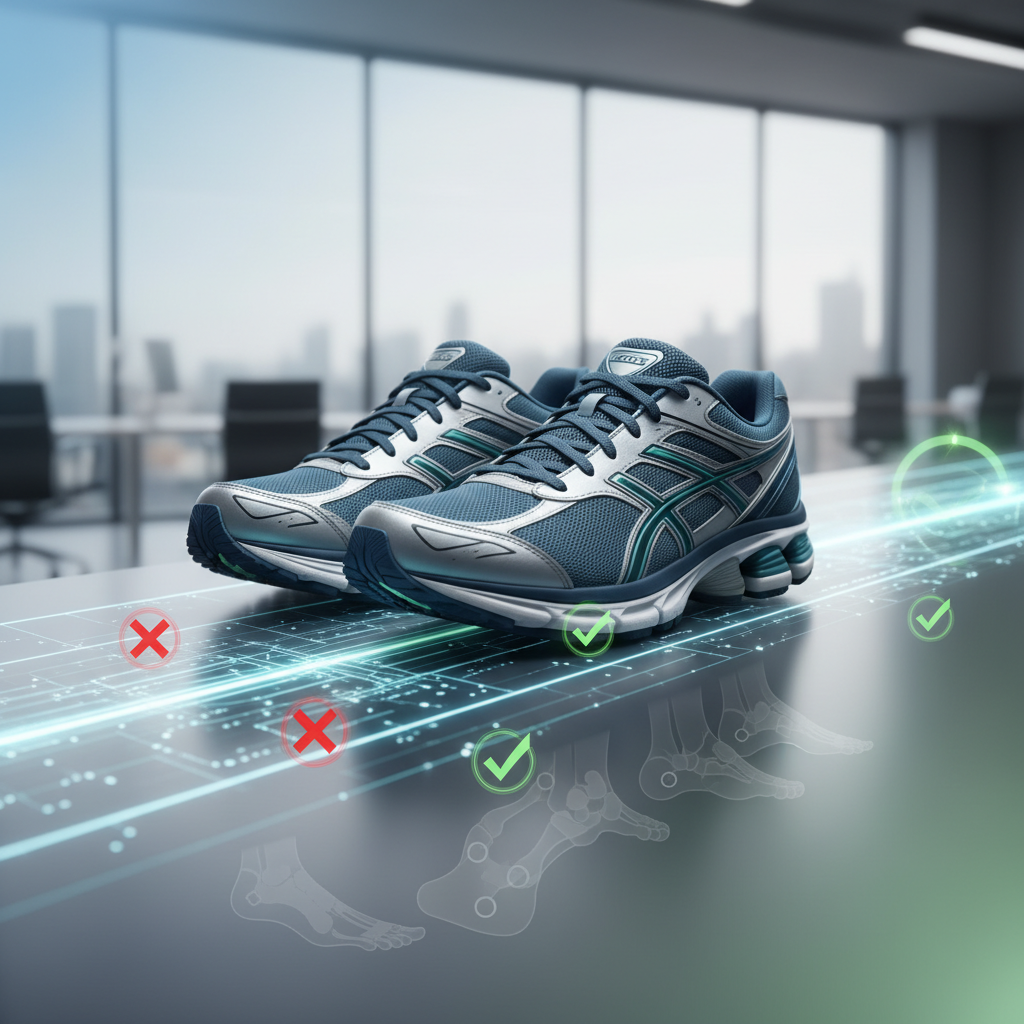
Finding the Right Running Shoes: Common Problems & How to Solve Them
So, you're a runner, or thinking about becoming one? Then you already know—a good pair of running shoes is non-negotiable. But with a sea of options out there, finding the perfect fit can feel like you're running a marathon just to buy shoes. This guide cuts through the noise. It addresses the common problems runners face and gives you actionable solutions to get you on the right track.
The Problem: The Struggle is Real
Let's be honest—the sheer number of choices is overwhelming. Shoes for every foot type, running style, and terrain are available. And the jargon? Pronation, cushioning, drop... it's like learning a whole new language. This confusion often leads runners to choose the wrong shoes, which can cause blisters, discomfort, and even serious injuries. Sound familiar? According to a study in the British Journal of Sports Medicine, approximately 79% of runners get injured every year British Journal of Sports Medicine. Many of these injuries are preventable with the right footwear.
"Choosing the wrong running shoes can be a recipe for disaster. It's like trying to build a house on a shaky foundation." - A seasoned marathon runner on a Reddit thread dedicated to running shoe advice.
Another common issue? Knowing where to start. Do you prioritize comfort, durability, or performance? Do you need a shoe for road running, trail running, or treadmill workouts? Without a clear understanding of your needs, you're essentially guessing, and that's not a sustainable strategy for happy, injury-free running.
Why This Happens: Unpacking the Causes
Several factors make finding the right running shoes a challenge:
- Lack of Footwear Knowledge: Many runners don't understand their foot type, pronation, or the different types of running shoes available. This makes it hard to make an informed decision.
- Misleading Marketing: Shoe companies often use marketing jargon and focus on specific features that may not align with your individual needs. They might highlight the latest technology without explaining how it benefits you.
- Online Shopping Pitfalls: While online shopping is convenient, it can be challenging to determine the fit and feel of a shoe without trying it on. The lack of personalized fitting advice makes the problem worse.
- Ignoring Individual Needs: Runners often overlook the importance of factors like running style, training goals, and the surfaces they run on. A shoe that works well for one person may be completely unsuitable for another.
Quick Fix: A Few Simple Steps
Before diving into detailed solutions, here's a quick checklist to get you started:
- Get a Foot Assessment: Visit a specialty running store and have your feet analyzed. They can assess your arch type, pronation, and foot size.
- Consider Your Running Style: Are you a heel striker, midfoot striker, or forefoot striker? This influences the type of shoe you need.
- Know Your Running Surfaces: Road running shoes differ from trail running shoes. Consider where you do most of your running.
- Define Your Goals: Are you training for a marathon, running for fitness, or simply enjoying casual runs? Your goals will influence your shoe choice.
Detailed Solutions: Finding Your Perfect Pair
Let's delve deeper into the specific solutions for choosing the right running shoes:
1. Understanding Your Foot Type and Pronation
Your foot type and pronation pattern are crucial for selecting the right shoe. Pronation refers to the natural inward rolling of your foot as it lands. There are three main pronation types:
- Neutral Pronation: Your foot rolls inward slightly. You'll typically need a neutral shoe with good cushioning.
- Overpronation: Your foot rolls inward excessively. You'll need a stability shoe with features to control the inward motion.
- Underpronation (Supination): Your foot doesn't roll inward enough. You'll need a cushioned shoe to absorb impact.
"I used to get blisters and shin splints all the time until I realized I was wearing the wrong shoes for my overpronation. Finding the right stability shoes made a huge difference!" - A Reddit user sharing their experience with pronation and footwear.
To determine your pronation, you can:
- Wet Test: Wet your feet and step on a piece of cardboard. The imprint will reveal your arch type and pronation.
- Visit a Running Store: Professionals can analyze your gait and foot type using specialized equipment.
2. Choosing the Right Shoe Type
Running shoes are designed for specific purposes. Here's a breakdown of common types:
- Neutral Shoes: Designed for neutral pronators. They offer cushioning and flexibility.
- Stability Shoes: Designed for overpronators. They provide support and control motion.
- Motion Control Shoes: Offer maximum support and control, often for severe overpronation.
- Cushioned Shoes: Prioritize cushioning for long-distance running and impact absorption.
- Minimalist Shoes: Offer minimal cushioning and support, promoting a more natural running style.
- Trail Running Shoes: Designed for off-road running, with aggressive treads for grip and protection.
3. Sizing and Fit
Proper fit is paramount. Here are key considerations:
- Length: There should be about a thumb's width of space between your longest toe and the end of the shoe.
- Width: The shoe should be snug but not tight. Your toes should have room to wiggle.
- Heel: Your heel should be securely locked in place, with no slippage.
- Try on at the End of the Day: Your feet swell throughout the day, so try on shoes when they are at their largest.
"Always go a half size up from your regular shoe size. Your feet will thank you, especially on those longer runs." – Advice from a running coach in a news article Runner's World.
4. Considering Your Running Style and Goals
- Running Style: The way you run affects shoe choice. Heel strikers may benefit from more cushioning in the heel, while forefoot strikers may prefer a lower heel-to-toe drop.
- Training Goals: If you're training for a marathon, prioritize cushioning and durability. For speed work, consider lighter, more responsive shoes.
- Surface: Road shoes are designed for pavement, while trail shoes have aggressive treads for grip and protection on uneven surfaces.
Tools That Help: Resources for Runners
Here are some resources that can assist in your running shoe journey:
Specialty Running Stores
These stores offer expert advice, gait analysis, and a wide selection of shoes. They often have treadmills for testing shoes.
Online Shoe Finders
Many websites have shoe finders that can help you narrow down your choices based on your foot type, pronation, and running style. Here's a comparison of a few popular options:
| Feature | Road Runner Sports | Fleet Feet | REI |
|---|---|---|---|
| Shoe Finder | Yes | Yes | Yes |
| Gait Analysis | Yes | Yes | In-store only |
| Return Policy | Good | Good | Excellent |
| Expert Advice | Yes | Yes | Yes |
Online Reviews and Forums
Websites like RunRepeat and forums like Reddit's r/running offer reviews and advice from other runners. These are excellent sources for real-world feedback on different shoes.
Prevention Tips: Avoiding Common Mistakes
- Don't Buy Based on Looks Alone: Prioritize fit and function over aesthetics.
- Replace Shoes Regularly: Running shoes lose their cushioning and support over time. Replace them every 300-500 miles.
- Break In Your Shoes: Don't wear new shoes for a marathon right away. Gradually increase the mileage.
- Don't Ignore Discomfort: If a shoe doesn't feel right, don't force it. Try a different model.
FAQs: Your Burning Questions Answered
Q: How often should I replace my running shoes?
A: Generally, every 300-500 miles. The lifespan depends on factors like your weight, running style, and the surfaces you run on.
Q: What if I have a high arch?
A: You likely have a high arch and are an underpronator. Look for shoes with good cushioning and flexibility. Consider neutral shoes.
Q: Can I use running shoes for other activities?
A: While you can, running shoes are designed specifically for running. Using them for other activities might wear them out faster or not provide adequate support.
Q: How important is the heel-to-toe drop?
A: It depends on your running style and preference. A lower drop (0-6mm) can encourage a midfoot strike, while a higher drop (8-12mm) can benefit heel strikers.
Q: Where can I get my feet analyzed?
A: Specialty running stores often offer gait analysis and foot assessments. This is a great way to find the right shoes.
Ultimately: Running Towards Success
Choosing the right running shoes is a crucial step towards a more enjoyable and injury-free running experience. By understanding your foot type, pronation, running style, and training goals, you can make an informed decision and find the perfect pair. Remember to prioritize fit, replace your shoes regularly, and listen to your body. Happy running!